

Plaque Wording:
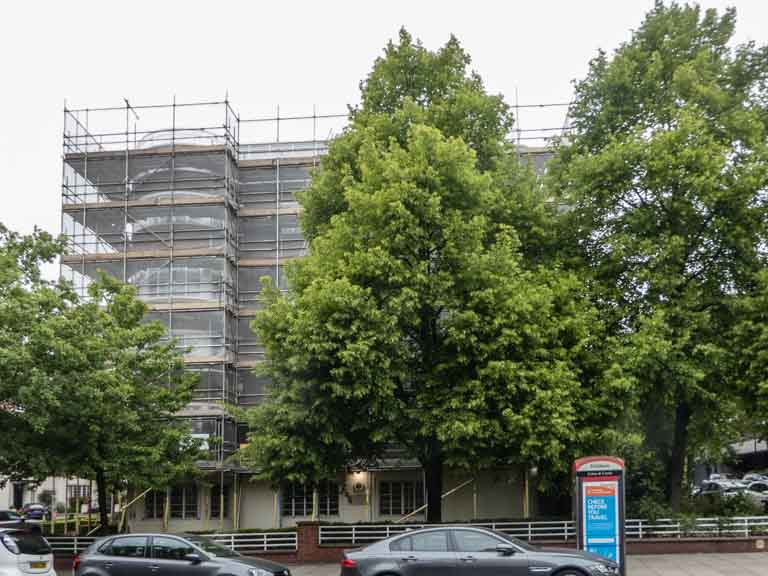
The Millennium addition to Jurys Clifton Ford Hotel was opened by HRH Prince Michael of Kent KCVO on Tuesday 24th October 2000.


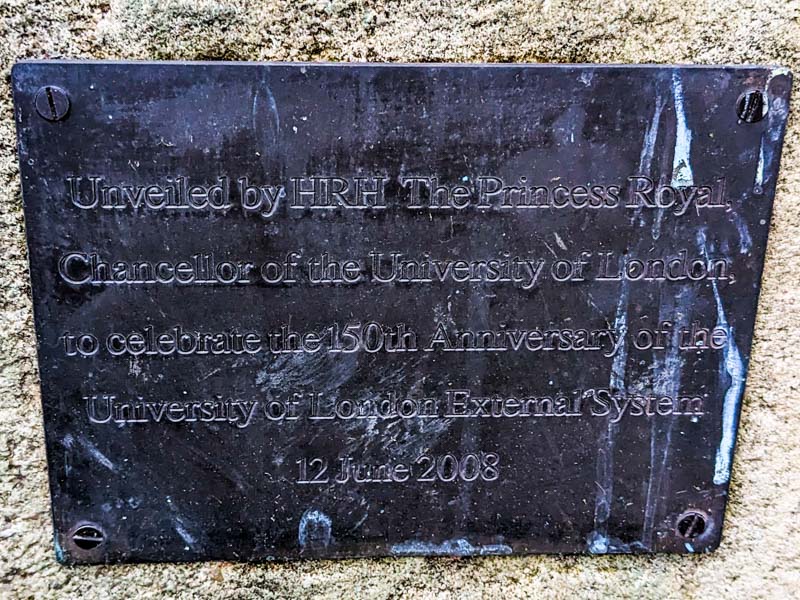


.jpg "Sponsor: Independent one-offs (id: 3811)")

-2.jpg "Sponsor: Independent one-offs (id: 3834)")
-2_ls.jpg)

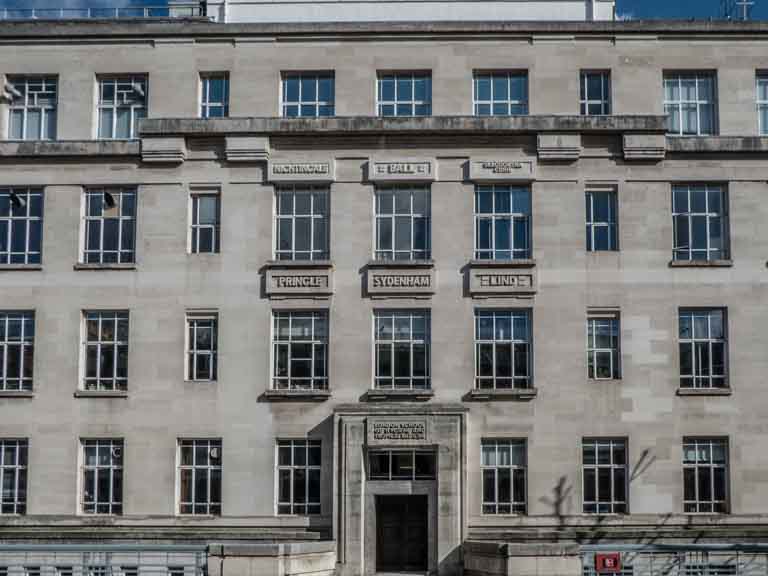


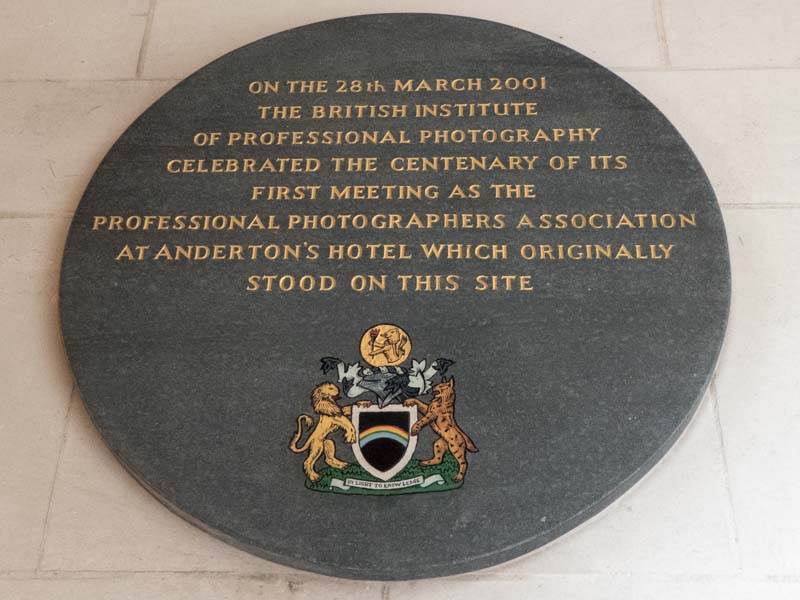
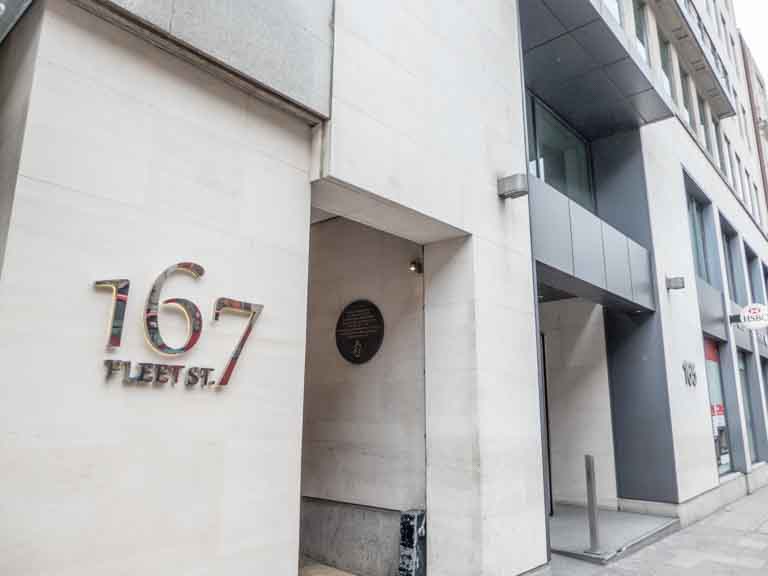





Plaque Wording:
Queen Elizabeth's Oak
This ancient tree known as Queen Elizabeth's Oak is thought to have been planted in the 12th Century and it has been hollow for many hundreds of years.
It has traditions linking it with Queen Elizabeth I, King Henry VIII and his Queen Anne Boyleyn, it may also have been a lock-up for offenders against park rules.
It died in the late 19th Century and a strong growth of Ivy supported it until it collapsed in June 1991.
The English Oak alongside was planted by His Royal Highness The Prince Philip, Duke of Edinburgh, KG, KT Baron Greenwich on 3rd December 1992. The tree was donated by Greenwich Historical Society to mark the 40 years of the reign of Queen Elizabeth II.


.jpg "Sponsor: Independent one-offs (id: 3343)")
_ls.jpg)




.jpg "Sponsor: Independent one-offs (id: 6168)")
_ls.jpg)


Plaque Wording:
To Hedwig Queen of Poland On the Six Hundredth Anniversary of Her Birth. Jagiellonian University


Plaque Wording:
This stone was laid by Mrs Sarah A Gotto on the 13th July 1886 being the 50th Yr of the reign of Her Majesty Queen Victoria


Plaque Wording:
Queens Wood Highgate
This wood comprising 50 acres was opened for the use and enjoyment of the public as an open space for ever, on July 23rd 1898 by Her Royal Highness the Duchess of Albany.


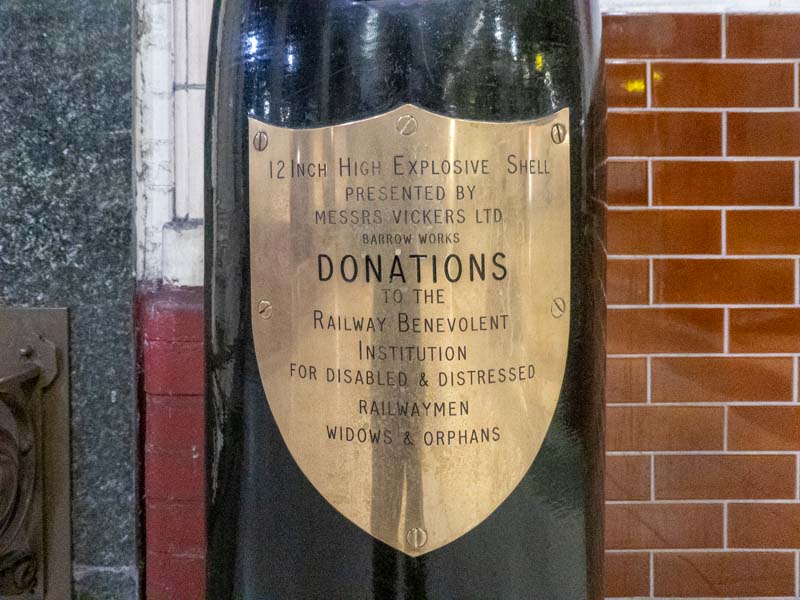


I have no information about Railway deaths tree. Please contact me if you do.
Plaque Wording:
In memory of the travelling public and Railway Workers, who lost their lives or were injured whilst travelling on the railways or working for the railway industry.
This tree was planted by the rail unions ASLEF, RMT and TSSA on the 29 March 2001, 'International Rail Safety Day.'
This tree was planted by the rail unions ASLEF, RMT and TSSA on the 29 March 2001, 'International Rail Safety Day.'


I have no information about RAM War Memorial WW2. Please contact me if you do.

I have no information about RAM War Memorial WW2. Please contact me if you do.


Plaque Wording:
Erected in memory and at the cost of Miss Mary Gray Ratray of 41 Tavistock Square London who died on the 6th July 1873.
Edwin Bedford Esq. and Charles Jellicoe Esq. Executors


I have no information about Ravenscroft Park. Please contact me if you do.


I have no information about Horseferry Mews. Please contact me if you do.


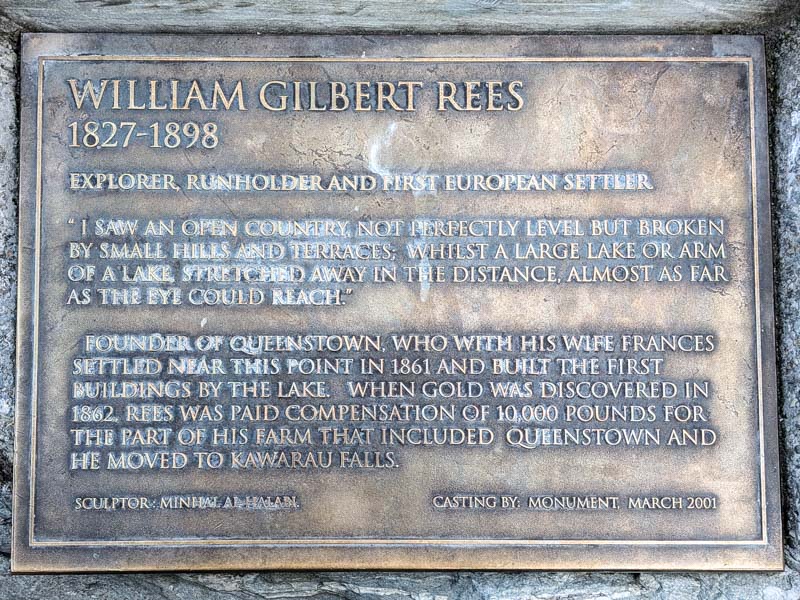
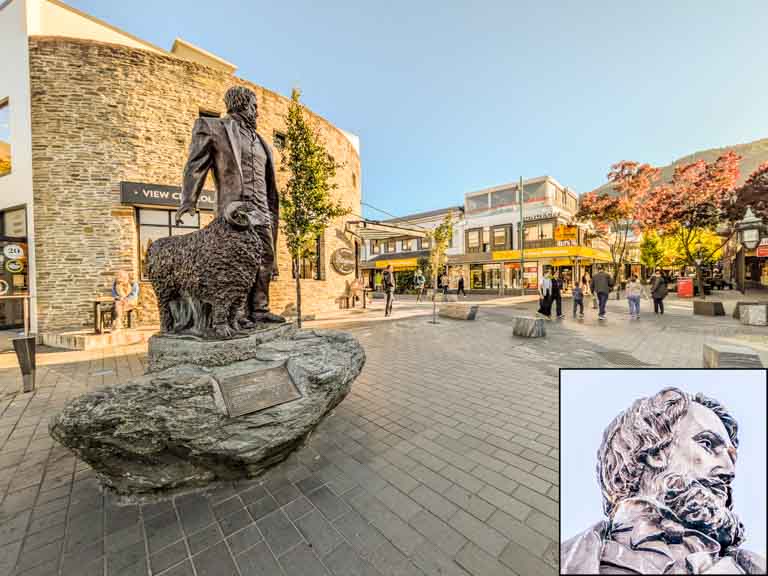


I have no information about Regents Park Covid Health Workers. Please contact me if you do.


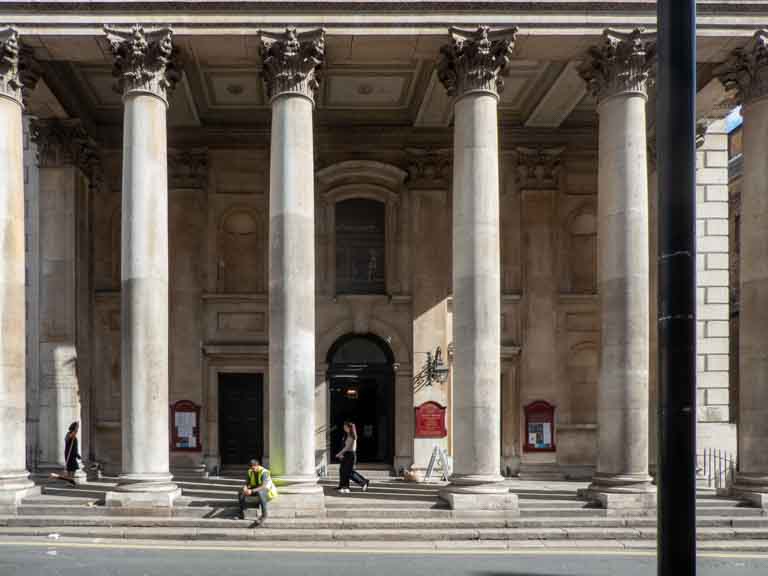


Plaque Wording:
Light in the Darkness 2000 by Julian Stocks
This stained glass window celebrates the River Tyburn that flows beneath Marylebone Lane. It was commissioned by Jurys Clifton Ford Hotel in consultation with The Howard de Walden Estate and Westminster City Council and takes the form of a lantern window which, when illuminated, will act as a beacon.
During the 18th century the River Tyburn was an open stream that ran from the hills of Hampstead Heath down to the River Thames. Marylebone Lane followed the banks of the river, the course of which has since been culverted, but still maintains a presence most noticeable in it's serpentine form.
The design makes reference to other aspects of the site's history and includes a chronology of maps and drawings as well as key dates relating to The Howard de Walden Estate. The historical context belies the contemporary method of production which employs the latest techniques of enamelling, etching and computer aided design. This honours the past but also holds up a mirror to the many and varied aspects of urban society.
This stained glass window celebrates the River Tyburn that flows beneath Marylebone Lane. It was commissioned by Jurys Clifton Ford Hotel in consultation with The Howard de Walden Estate and Westminster City Council and takes the form of a lantern window which, when illuminated, will act as a beacon.
During the 18th century the River Tyburn was an open stream that ran from the hills of Hampstead Heath down to the River Thames. Marylebone Lane followed the banks of the river, the course of which has since been culverted, but still maintains a presence most noticeable in it's serpentine form.
The design makes reference to other aspects of the site's history and includes a chronology of maps and drawings as well as key dates relating to The Howard de Walden Estate. The historical context belies the contemporary method of production which employs the latest techniques of enamelling, etching and computer aided design. This honours the past but also holds up a mirror to the many and varied aspects of urban society.


.jpg "Sponsor: Independent one-offs (id: 3386)")
_ls.jpg)


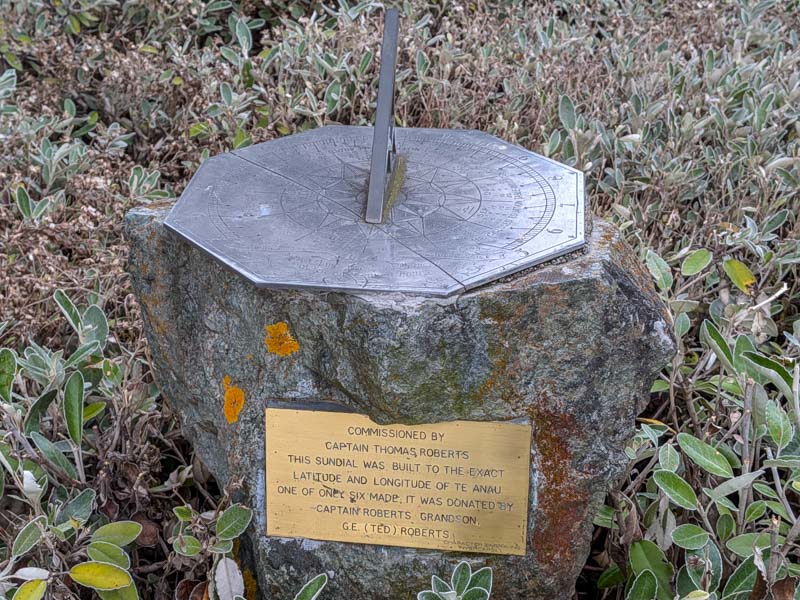
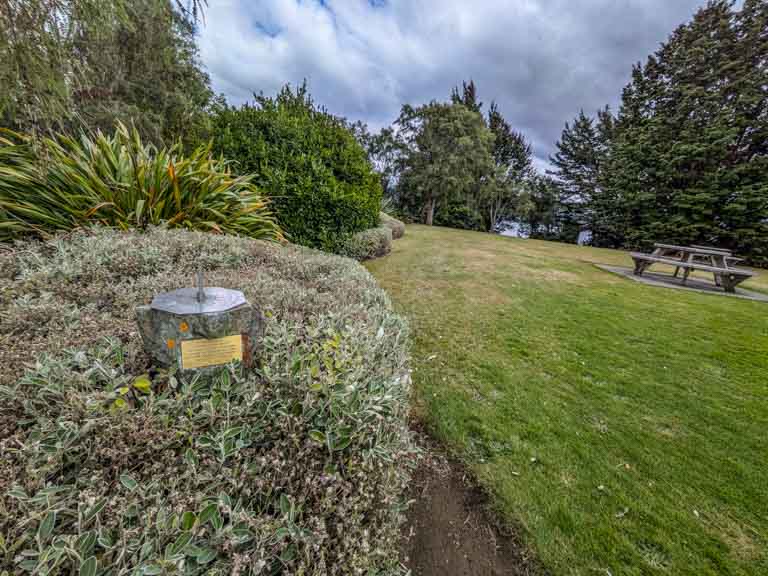
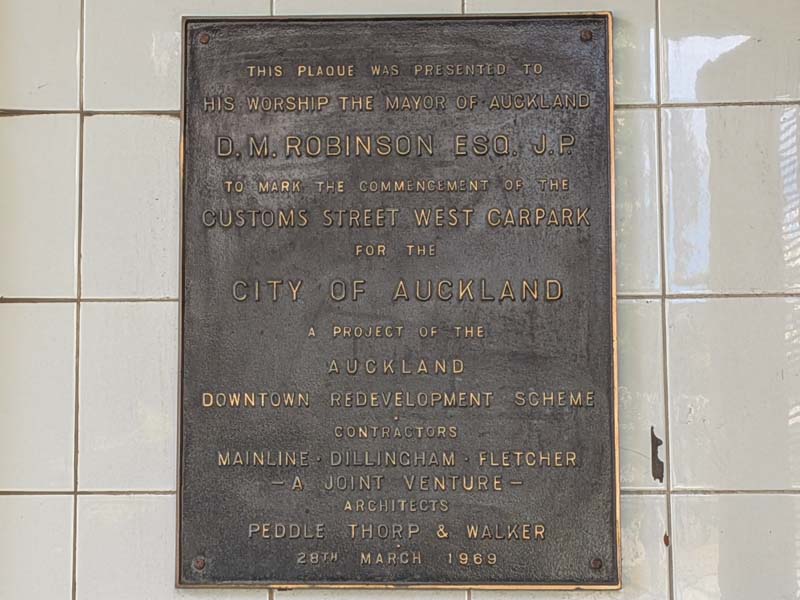







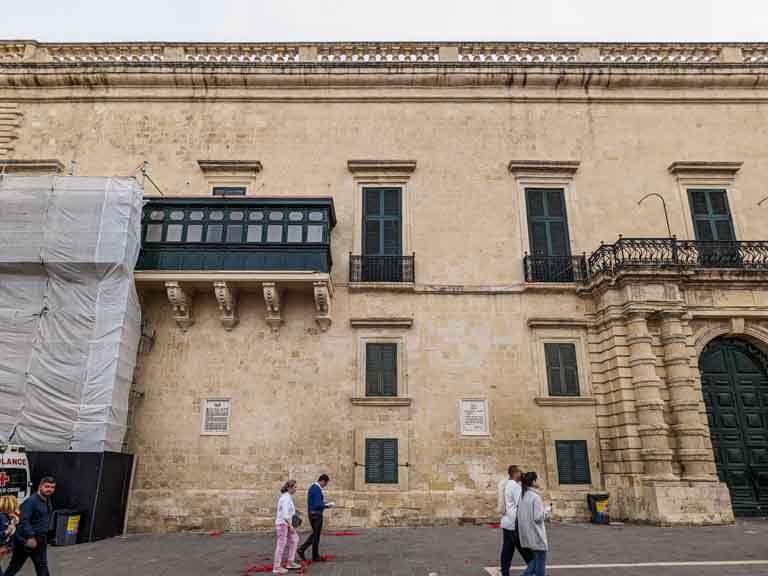


I have no information about Rosak Family Kazimierz. Please contact me if you do.


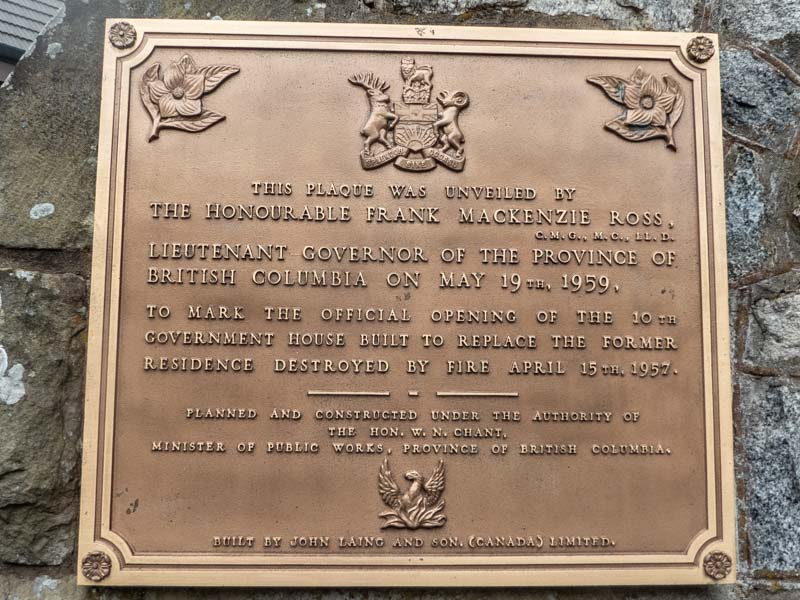




No long-shot available (yet)

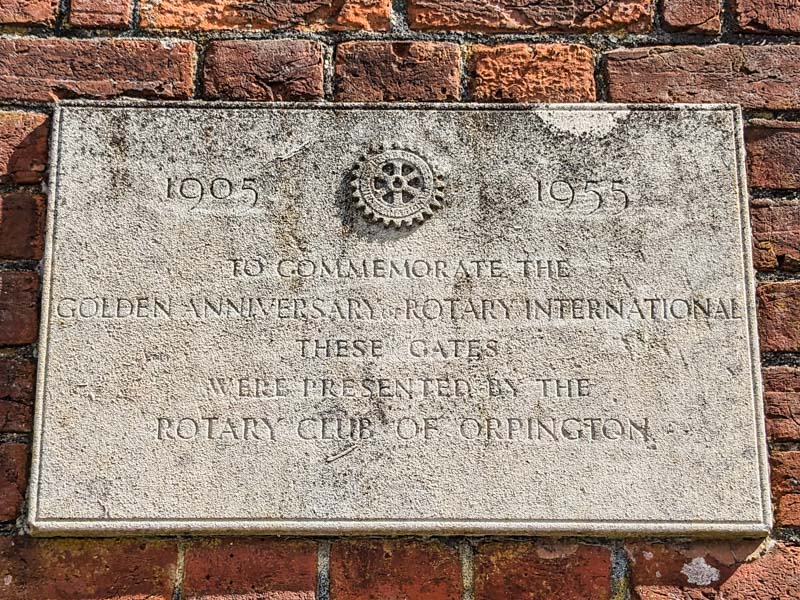
No long-shot available (yet)
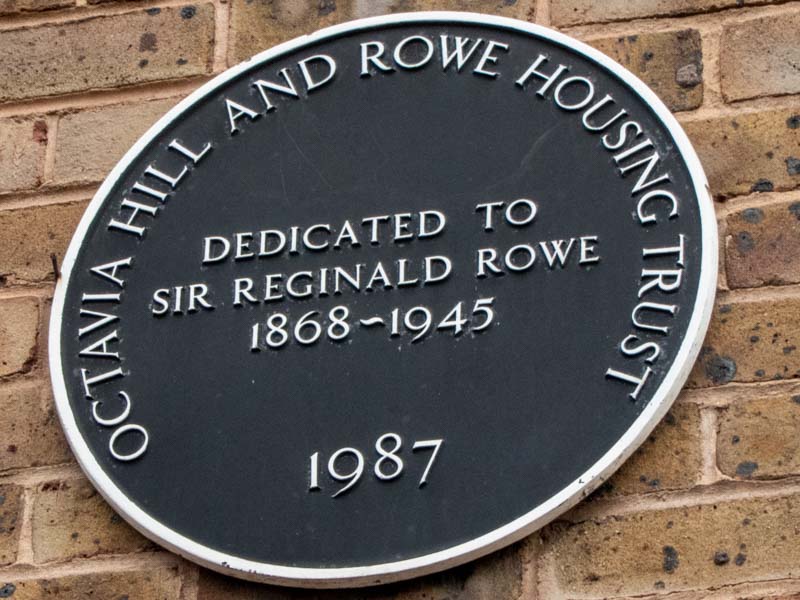


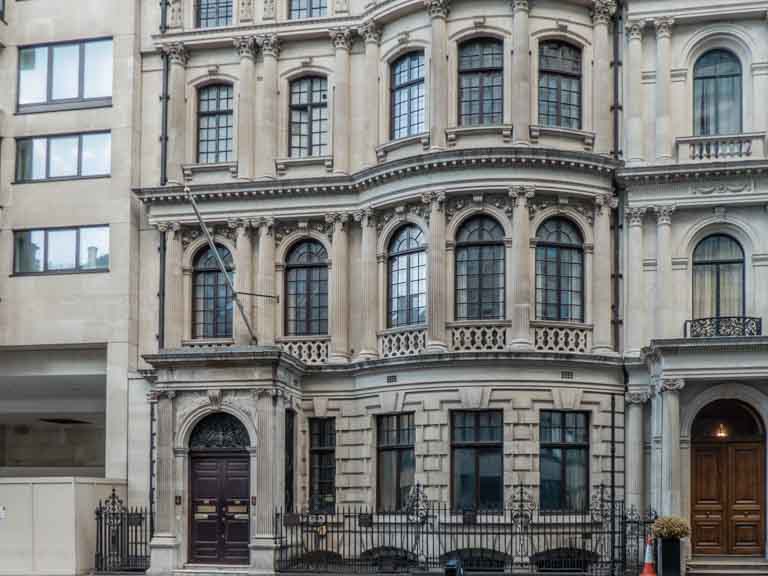


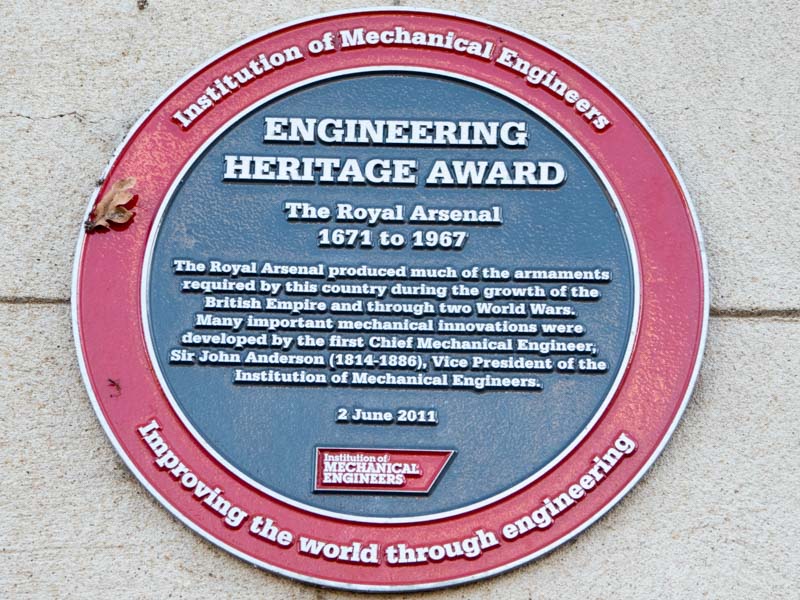
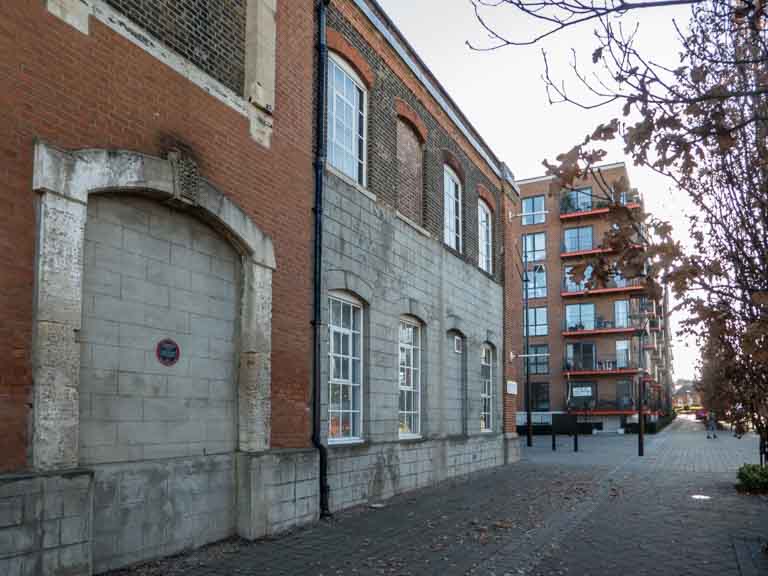


Plaque Wording:
The buildings of this museum were occupied until 1933 by The Royal Hospital School founded in 1694 for the sons of seaman of The Royal Navy. The ashes of many of the former pupils of the school have been scattered over the lawns


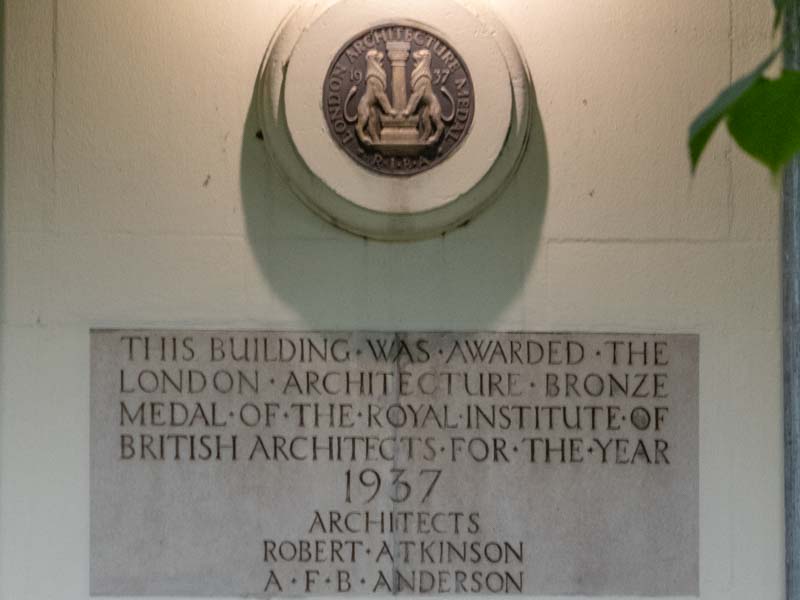


Plaque Wording:
Erected by the officers and men of the Royal Marines in memory of their comrades who were killed in action or died of wounds or disease in South Africa and China, 1899-1900.


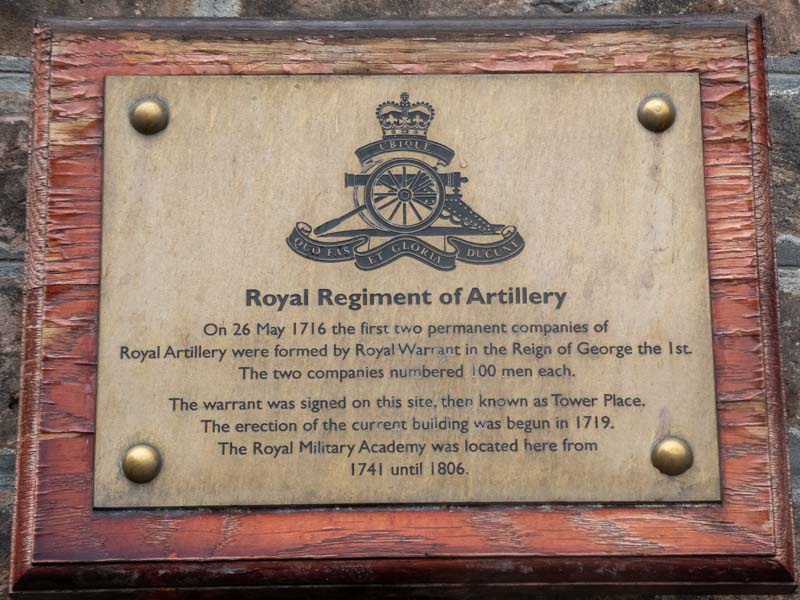
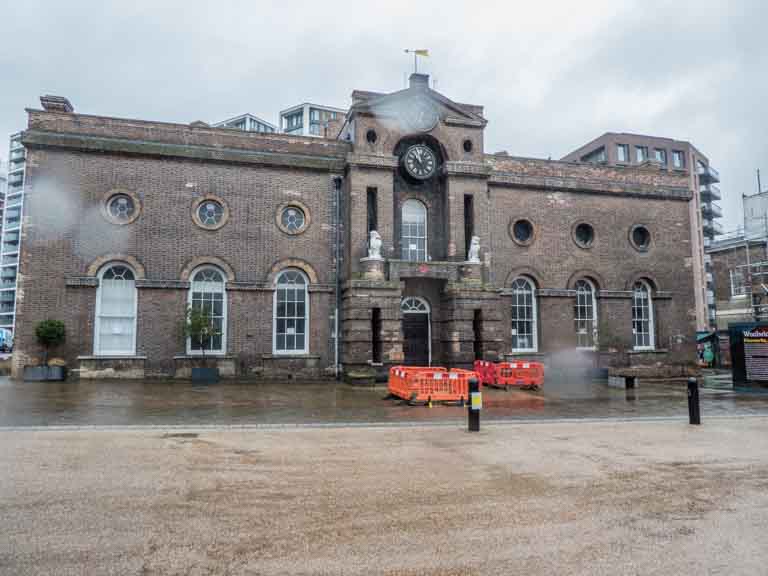


Plaque Wording:
The Church of England Children's Society formerly the Waifs and Strays Society was founded in 1881 by Edward de M Rudolf (1852-1933), when he was superintendent of the Sunday School in this Parish of St Anne, South Lambeth. This tablet was erected in 1966 by the Society in thankful remembrance of the life and work of its founder


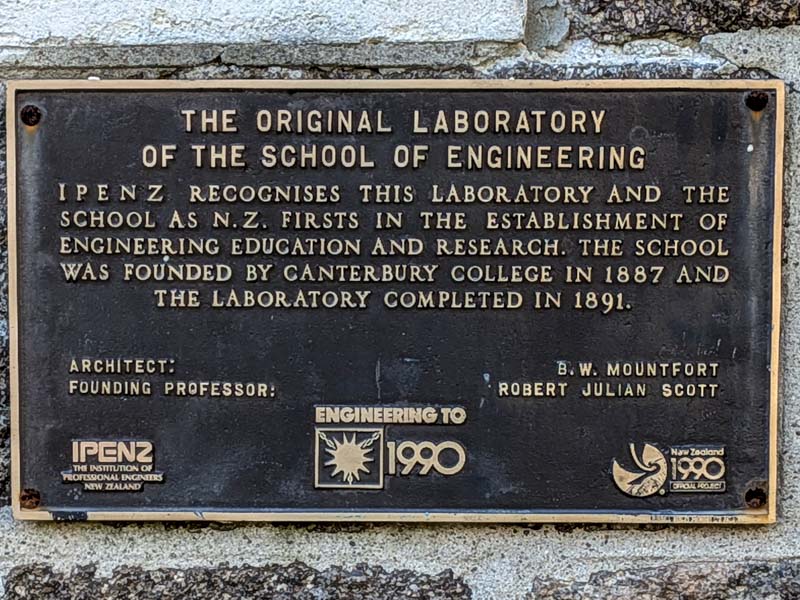




Plaque Wording:
Erected by the Governor of the Seamen's Hospital Society, the Port of London. In memory of John Lydekker, Esqr South Sea Ship Owner. Gratefully to record his munificent bequest to that institution. He died on the 23rd July 1832, and was buried in the North Vault of the Church of St Dionis, Backchurch, Fenchurch Street.
.jpg "Sponsor: Independent one-offs (id: 3387)")
_ls.jpg)




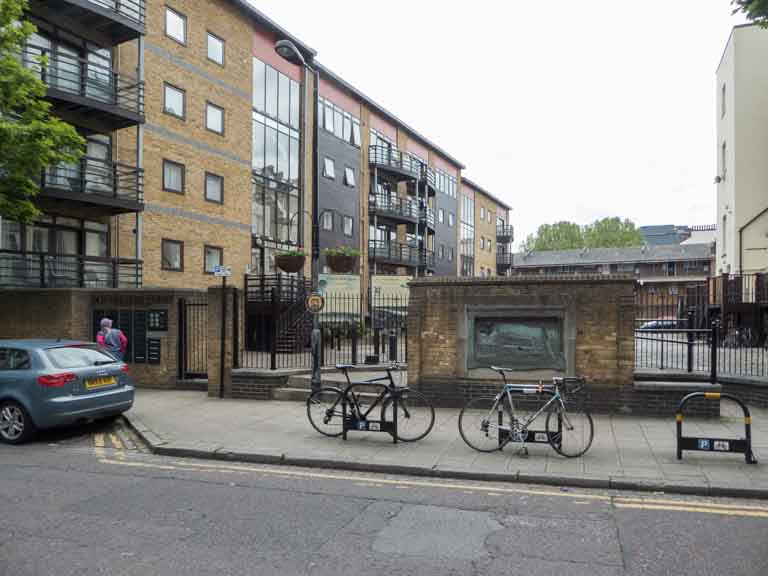


Plaque Wording:
Father of the Bangladeshi nation, Bangobondu
Sheikh Mujibur Rahman
(17th of March 1920 to 15th of August 1975)
Unveiled by Suranjit Sengupta MP, Ministry of Rail, Advisor Bangladesh Awamileague, Chairman Ministry of Law Justice and Parliamentary Standing Committee, 17th Dec 2016.
Funded by Afsar Khan Sadek, Join Secretary London Awamileague.
Installed by: Fuhad Ahmed Farahad


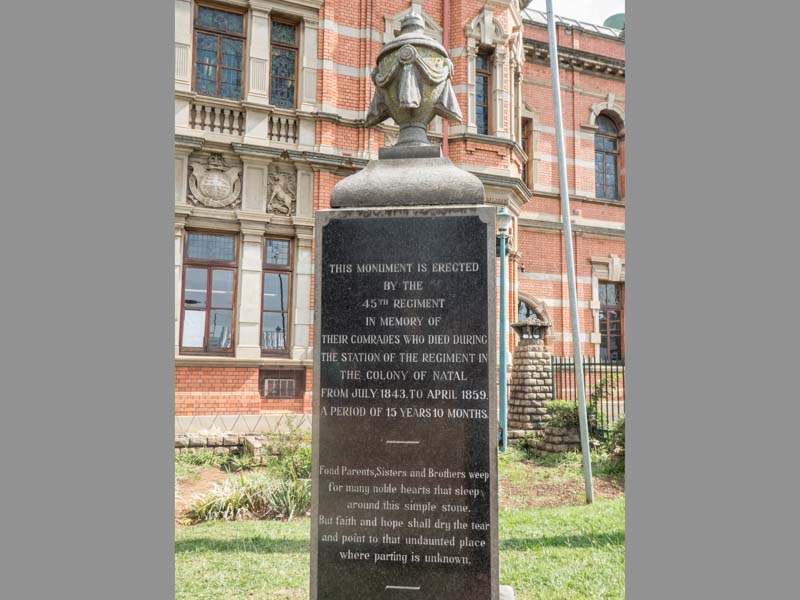
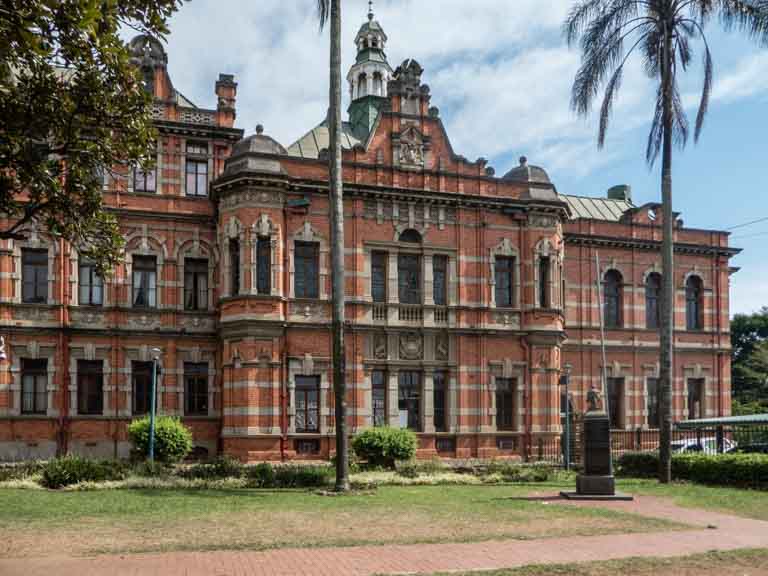
Plaque Wording:
This monument is erected by the 45th Regiment in memory of their comrades who died during the station of the regiment in the colony of Natal from July 1843 to April 1859.
Font Parents, Sisters and Brothers weep for many noble hearts that sleep around this simple stone. But faith and hope shall dry the tear and point to that undaunted place where parting is unknown.
Font Parents, Sisters and Brothers weep for many noble hearts that sleep around this simple stone. But faith and hope shall dry the tear and point to that undaunted place where parting is unknown.
Plaque Wording:
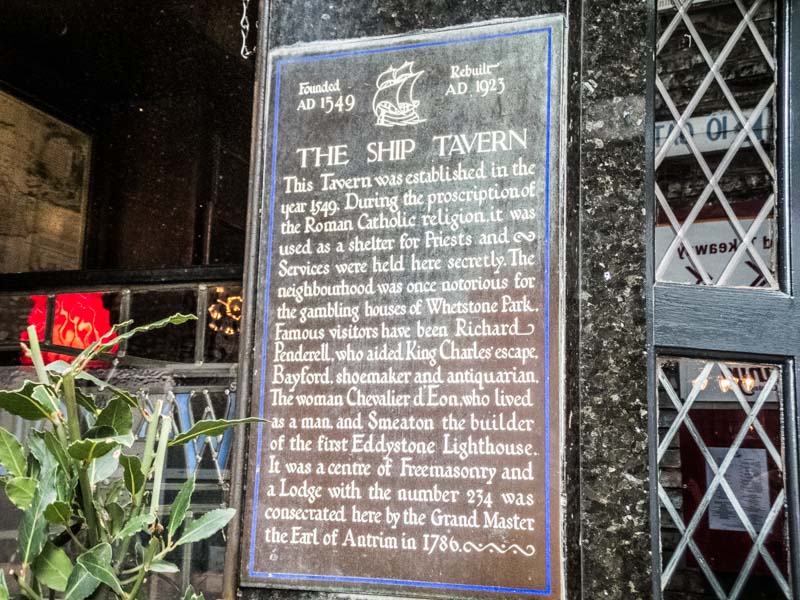
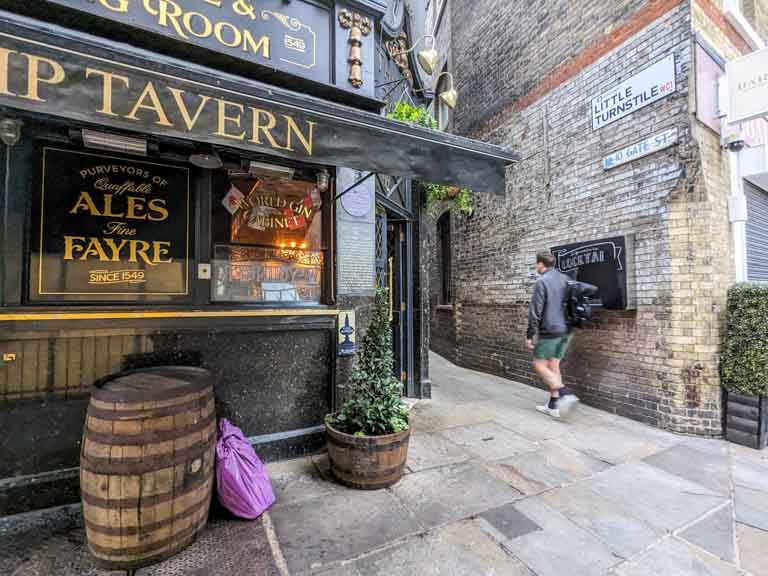
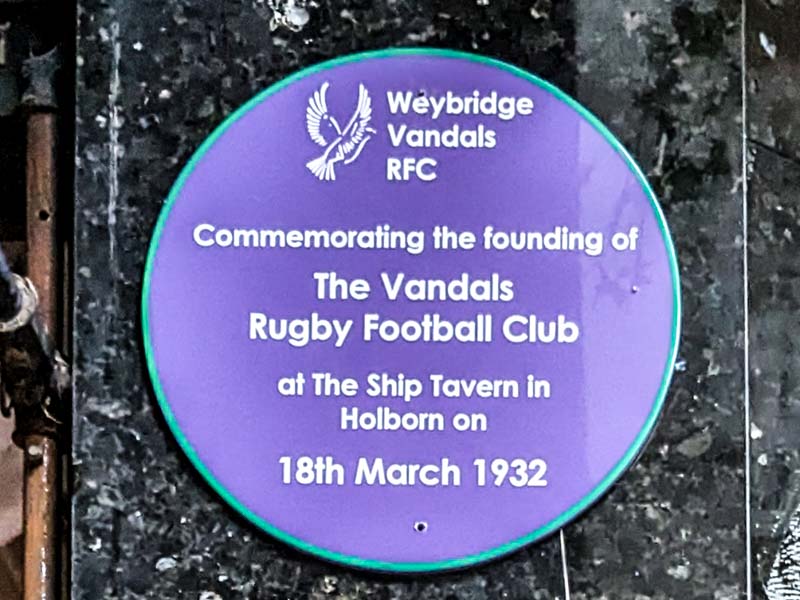
Founded AD 1549 Rebuilt AD 1923 The Ship Tavern
This Tavern was established in the year 1549. During the proscription of the Roman Catholic religion, it was used as a shelter for Priests and Services were held here secretly. The neighbourhood was once notorious for the gambling houses of Whetstone Park. Famous visitors have been Richard Penderell, who aided King Charles' escape, Bayford, shoemaker and antiquarian, the woman Chevalier d'Eon, who lived as a man, and Smeaton the builder of the first Eddystone Lighthouse. It was a centre of Freemasonry and a Lodge with the number 234 was consecrated here by the Grand Master the Earl of Antrim in 1786.
This Tavern was established in the year 1549. During the proscription of the Roman Catholic religion, it was used as a shelter for Priests and Services were held here secretly. The neighbourhood was once notorious for the gambling houses of Whetstone Park. Famous visitors have been Richard Penderell, who aided King Charles' escape, Bayford, shoemaker and antiquarian, the woman Chevalier d'Eon, who lived as a man, and Smeaton the builder of the first Eddystone Lighthouse. It was a centre of Freemasonry and a Lodge with the number 234 was consecrated here by the Grand Master the Earl of Antrim in 1786.






I have no information about Joe Singh. Please contact me if you do.


Plaque Wording:
Piotr Skarga The great servant of God, the faithful son of the homeland, preacher, writer and educator of the nation, made his home here. In this house, he established Great works of love for his neighbor, Founded by himself in the years 1584-1587 This is:
The Brotherhood of Mercy,The Pious Bank
Providing lasting help, comfort and relief to the poor of Kraków.
Providing lasting help, comfort and relief to the poor of Kraków.


.jpg "Sponsor: Independent one-offs (id: 3058)")


Plaque Wording:
Corporal Issy Smith Manchester Regiment, 26th April 1915.


I have no information about John Soane Junior. Please contact me if you do.


Plaque Wording:
25th anniversary of the elections on June 4, 1989. In this building in 1989 the Malopolska Citizens Committee 'Solidarity' prepared the elections to the Senate of the Third Republic of Poland with the participation of the society of Krakow and Malopolska. Here the road to a free and independent Poland was open.
.jpg "Sponsor: Independent one-offs (id: 1764)")
_ls.jpg)


Plaque Wording:
Here lies soil brought by Kraków academic expeditions in the years 1999 - 2004 from places of martyrdom of professors and students of higher education institutions of the Second Polish Republic
Sachsenhausen Dachau Katyń Charków Lwów Palmiry Ponary Kuropaty Majdanek Auschwitz Poznań Ravensbrüaut;ck Mauthausen Stanisławów Warszawa Nowy Wiśnicz Kraków
Sachsenhausen Dachau Katyń Charków Lwów Palmiry Ponary Kuropaty Majdanek Auschwitz Poznań Ravensbrüaut;ck Mauthausen Stanisławów Warszawa Nowy Wiśnicz Kraków
.jpg "Sponsor: Independent one-offs (id: 3450)")
_ls.jpg)




 Norway Telemark.jpg "Sponsor: Independent one-offs (id: 2009)")
 Norway Telemark_ls.jpg)






Plaque Wording:
{top left} To commemorate the completion of the third century of this church 1686-1986 and the fifth anniversary of its rebuilding and rededication 1991-1996. This stone was erected by the friends of St Anne's Church soho on 26th July 1996
{top right}This tablet(?) was erected by the ? board of the parish of St Anne .. completion of the second century of this church which event was celebrated by various? meetings of the inhabitants. Presided over by Thomas Francis Blackwell esq on 26th October 1887
{top right}This tablet(?) was erected by the ? board of the parish of St Anne .. completion of the second century of this church which event was celebrated by various? meetings of the inhabitants. Presided over by Thomas Francis Blackwell esq on 26th October 1887


Plaque Wording:
Past and Present
You are standing on holy ground and in front of an important place of prayer. Over 1000 years ago Saint Dunstan dedicated a church on this site to All Saints. It is the mother church of the East End and, with the ancient port of London nearby, became known as the Church of the High Seas. For this reason the red ensign is still flown from the tower, which also houses ten bells of Stepney mentioned in the nursery rhyme 'Oranges and Lemons'. In each generation large numbers from this community have gone out to the four corners of the world and Stepney has become home to many newcomers etc.
These notice boards have been erected in memory of Councillor Ben Holmes, 1916 - 1997, sometime Mayor of Stepney.
You are standing on holy ground and in front of an important place of prayer. Over 1000 years ago Saint Dunstan dedicated a church on this site to All Saints. It is the mother church of the East End and, with the ancient port of London nearby, became known as the Church of the High Seas. For this reason the red ensign is still flown from the tower, which also houses ten bells of Stepney mentioned in the nursery rhyme 'Oranges and Lemons'. In each generation large numbers from this community have gone out to the four corners of the world and Stepney has become home to many newcomers etc.
These notice boards have been erected in memory of Councillor Ben Holmes, 1916 - 1997, sometime Mayor of Stepney.


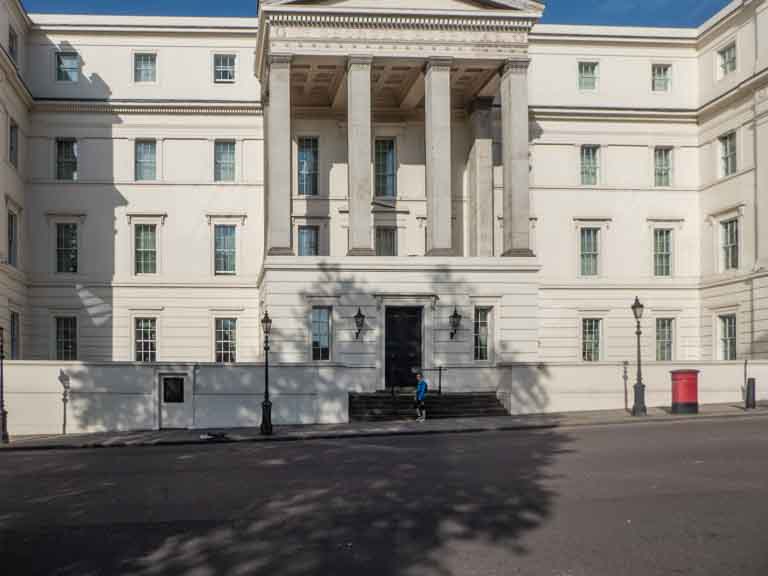
Plaque Wording:
St George’s Hospital was established on this site in 1733 in a country home built in 1719 by James Lane, 2nd Viscount Lanesborough. The hospital was located in the village of Knightsbridge due to the reputation for healthy country air. The three-storey red brick hospital was of simple design and wings were later added to the structure by architect Isaac Ware.St George’s Hospital quickly outgrew its original building and in 1826, the trustees commissioned William Wilkins to design a new hospital. Wilkins was also the architect for the National Gallery in Trafalgar Square and University College. Completed in the early 1830s, Wilkins' building was designed In the classical style from drawings by Nicholas Revett of the choragic monument to Thrassylus at the Acropolis, Athens.
Many of the fathers of modern medicine studied, practiced and taught at St George’s Hospital and its medical school founded in 1831. Chief among these was John Hunter, the father of scientific surgery. Other well-known medical pioneers with careers at St George’s include Edward Jenner, a pioneer of immunology, Thomas Young, professor of natural philosophy to the Royal Institution and Henry Gray renowned for his comprehensive study of anatomy.
During World War II, the entire hospital was given over to casualties of war. The hospital and those who worked there escaped injury due to the war with the exception of a thousand pound bomb that fell on the lecture theatre of the medical school, but fortunately failed to explode.
The campaign to rebuild the hospital outside the centre of London began during World War II. During the 1950s, the hospital was offered a site in Tooting for the new St George’s Hospital and building began there in the 1970s. St George’s moved to its new buildings in Tooting South West London in 1980.
This historic building has now been carefully restored during an extensive four-year project (1988-1991) and transformed into a magnificent hotel which takes the name of the former Lanesborough House on this site.
Many of the fathers of modern medicine studied, practiced and taught at St George’s Hospital and its medical school founded in 1831. Chief among these was John Hunter, the father of scientific surgery. Other well-known medical pioneers with careers at St George’s include Edward Jenner, a pioneer of immunology, Thomas Young, professor of natural philosophy to the Royal Institution and Henry Gray renowned for his comprehensive study of anatomy.
During World War II, the entire hospital was given over to casualties of war. The hospital and those who worked there escaped injury due to the war with the exception of a thousand pound bomb that fell on the lecture theatre of the medical school, but fortunately failed to explode.
The campaign to rebuild the hospital outside the centre of London began during World War II. During the 1950s, the hospital was offered a site in Tooting for the new St George’s Hospital and building began there in the 1970s. St George’s moved to its new buildings in Tooting South West London in 1980.
This historic building has now been carefully restored during an extensive four-year project (1988-1991) and transformed into a magnificent hotel which takes the name of the former Lanesborough House on this site.


I have no information about St Martin-in-the Fields Whipping Post. Please contact me if you do.


Plaque Wording:
Site of the Church of St Mary Aldermanbury.
First mentioned in 1181, destroyed by the Great Fire in 1666, rebuilt by Wren, destroyed by bombing in 1940, the remaining fabric removed to Westminster College, Fulton Missouri, USA, 1966 and restored as a memorial to Sir Winston Churchill. This plaque placed by Westminster College
First mentioned in 1181, destroyed by the Great Fire in 1666, rebuilt by Wren, destroyed by bombing in 1940, the remaining fabric removed to Westminster College, Fulton Missouri, USA, 1966 and restored as a memorial to Sir Winston Churchill. This plaque placed by Westminster College


Plaque Wording:
St Matthew's Westminster Built in 1849 to the designs of Sir Gilbert Scott it was later greatly enriched with fittings and glass by G.F. Bodley, C.E. Kempe, Martin Travers and others. The Lady Chapel is one of Sir Ninian Comper's finest early works. Gutted by fire in 1977 it was reconstructed to a reduced plan and rededicated in 1984.


Plaque Wording:
In this place within the defensive walls of Krakow was the St Nicholas Gate


I have no information about Joshua Stein. Please contact me if you do.


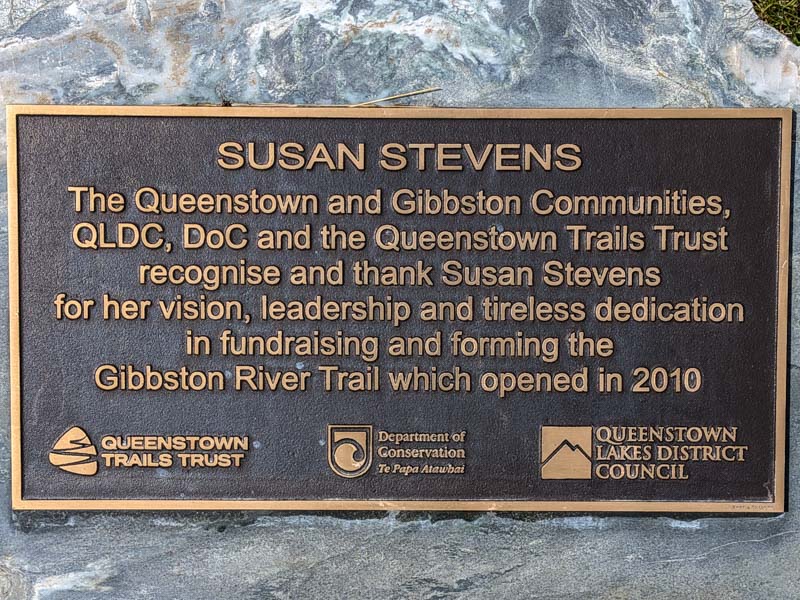
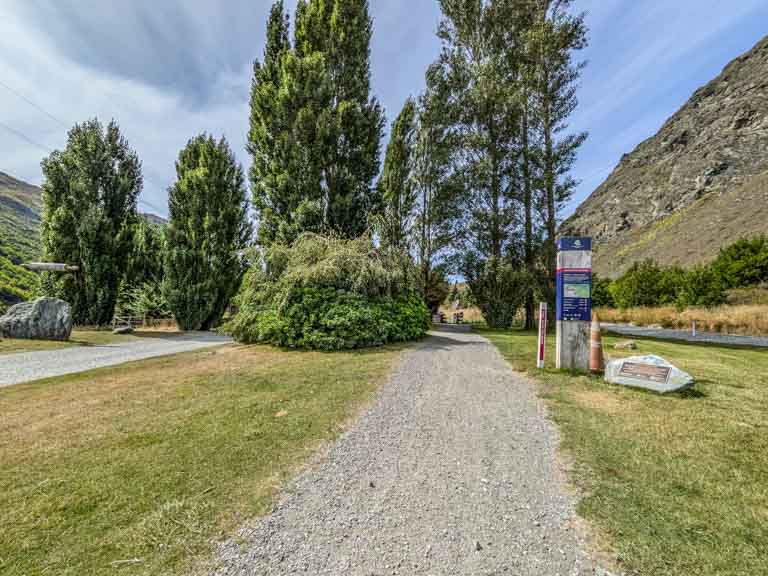


I have no information about William M Stuart. Please contact me if you do.


Plaque Wording:
In this house between the years 1478-1492 lived Wit Stwosz creator of the St. Mary's Altar, great sculptor of Kraków and Nuremberg


 Postbox.jpg "Sponsor: Independent one-offs (id: 3112)")
 Postbox_ls.jpg)


No long-shot available (yet)


Plaque Wording:
U.S.S. Missouri - Over this spot on 2 September 1945 the instrument of formal Surrender of Japan to the allied powers was signed thus bringing to a close the Second Wworld War. The ship at that time was at anchor in Tokyo Bay


I have no information about Swan Wharf & Inn. Please contact me if you do.


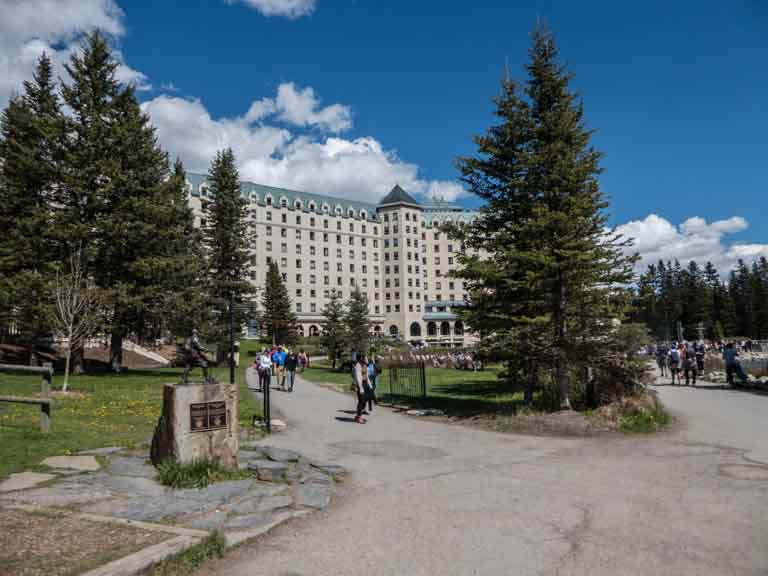
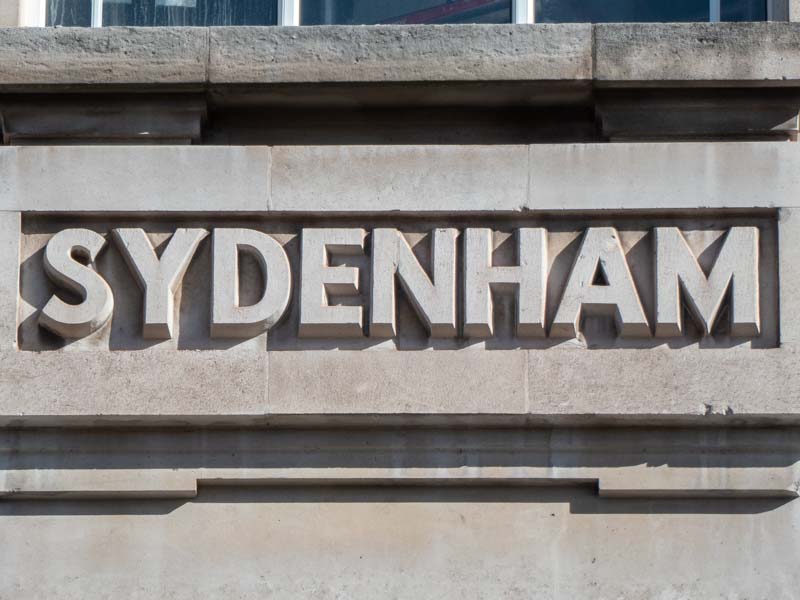

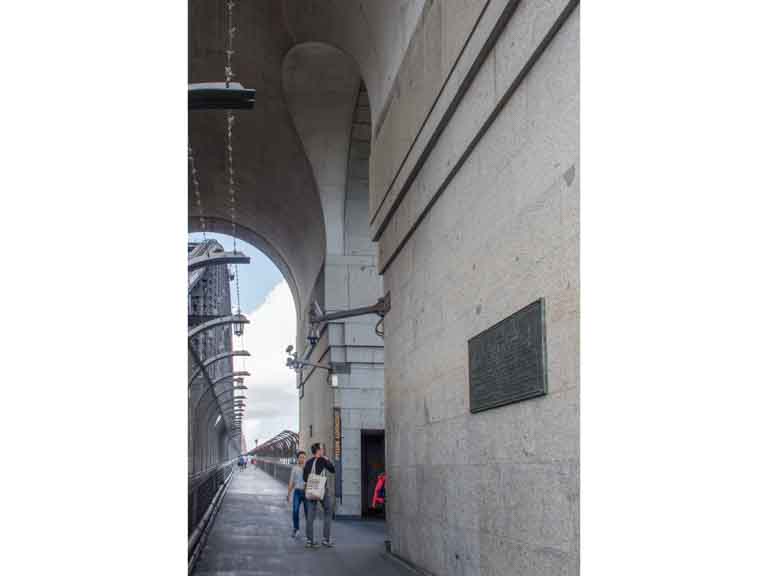


I have no information about Yukihisa Tanaka. Please contact me if you do.


I have no information about Susan Taylor. Please contact me if you do.
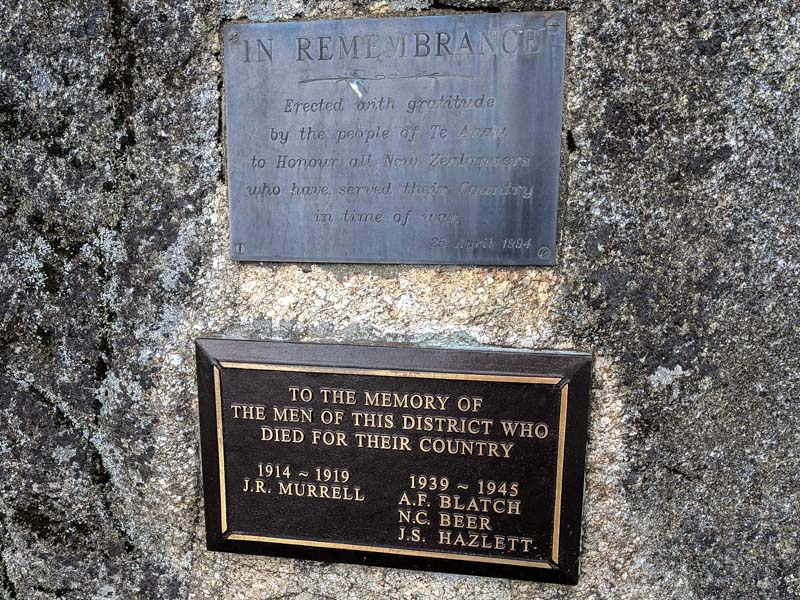
Plaque Wording:
In memory of Susan Taylor S.R.N. died 1967 aged 21 years. This statuette was presented to the School of Nursing by friends and her colleagues and patients at Fulham Hospital


Plaque Wording:
This plaque commemorates 335 years of the tea industry in the City of London, which in its heyday controlled over 85% of the world's tea trade.
The City's trade opened with the British East Indian Company which had a monopoly over the importation of tea from China & India. As a result of the growing tea trade in the City, St Katharine Docks opened on 25th October 1828, with Butler's Wharf following 65 years later in 1893 on the opposite side of the River Thames. At this time, St Katharine Docks was at the centre of Britain's roaring commercial trade and, alongside Butler's Wharf, was recognised as the main tea storage and processing centre in London.
During its 140 years as working docks, St Katharine Docks regularly welcomed tea clippers such the famous 'Cutty Sark' in addition to more modern steam ships. The Docks gained prominence due to its prime location on the River Thames, ensuring ease of access to the main tea companies in the City.
Tea trading was central to Britain's commercial trade in the 1800s as tea was the second largest commodity after wool, with tea warehouses receiving 120,000 tea chests annually. These chests were transported by ships into the docks and then lifted by manual chain pulleys to the platforms and storage floors. At its peak, Butler's Wharf handled 400,000 tea chests a year.
This plaque was generously donated by.....
The City's trade opened with the British East Indian Company which had a monopoly over the importation of tea from China & India. As a result of the growing tea trade in the City, St Katharine Docks opened on 25th October 1828, with Butler's Wharf following 65 years later in 1893 on the opposite side of the River Thames. At this time, St Katharine Docks was at the centre of Britain's roaring commercial trade and, alongside Butler's Wharf, was recognised as the main tea storage and processing centre in London.
During its 140 years as working docks, St Katharine Docks regularly welcomed tea clippers such the famous 'Cutty Sark' in addition to more modern steam ships. The Docks gained prominence due to its prime location on the River Thames, ensuring ease of access to the main tea companies in the City.
Tea trading was central to Britain's commercial trade in the 1800s as tea was the second largest commodity after wool, with tea warehouses receiving 120,000 tea chests annually. These chests were transported by ships into the docks and then lifted by manual chain pulleys to the platforms and storage floors. At its peak, Butler's Wharf handled 400,000 tea chests a year.
This plaque was generously donated by.....




Plaque Wording:
In the years 1943-1945, this building housed the secret headquarters of the Kraków Council for Help to the Jews, 'Żegota' of the Polish Underground State, to which many thousands of Jews owe their survival in the Holocaust at the price of the lives of many thousands of Poles.
The plaque was placed by the Museum of the Polish Home Army and the J. Piłsudski Society in 2005.
The plaque was placed by the Museum of the Polish Home Army and the J. Piłsudski Society in 2005.








Plaque Wording:
This wellhead or cistern, was built in 1835. It probably replaced a cistern of around 1675, removed when George IV bridge was built.
The cisterns provided water from Comiston Springs via the Castlehill Reservoir for the inhabitants of the Old Town, they became important meeting places where long queues formed. They fell into disuse in the 19th century when supplies to individual houses became possible.
This wellhead was repaired and restored by the Edinburgh Old Town Renewal Trust and Lothian and Edinburgh Enterprise Limited in 1997.
The cisterns provided water from Comiston Springs via the Castlehill Reservoir for the inhabitants of the Old Town, they became important meeting places where long queues formed. They fell into disuse in the 19th century when supplies to individual houses became possible.
This wellhead was repaired and restored by the Edinburgh Old Town Renewal Trust and Lothian and Edinburgh Enterprise Limited in 1997.






.jpg "Sponsor: Independent one-offs (id: 3390)")
_ls.jpg)



Plaque Wording:
Note: the plaque is missing; photo taken from Black History Month website


.jpg "Sponsor: Independent one-offs (id: 3391)")
_ls.jpg)







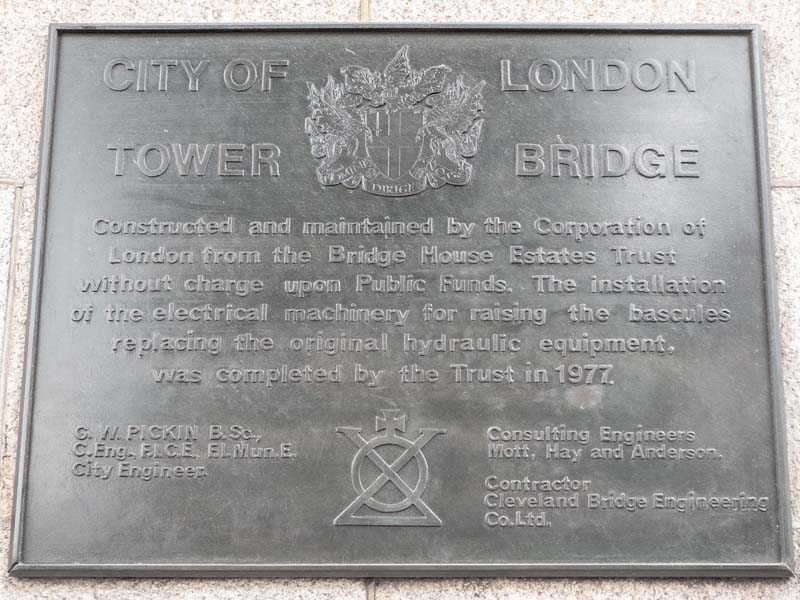


Plaque Wording:
City of London Tower Bridge
The main towers, high level walkways and the machine rooms under the southern approach of this bridge were opened to the public on 30th June 1982 by the Rt Hon, the Lord Mayor Sir Christopher Leaver, GBE, DMus, in the presence of Norman Harding, Esq, Chairman of the City Lands and Bridge House Estates Committee and Sir John Reader Welch, Bt, MA, Chairman of the Planning and Communications Committee and the following members of the Joint Co-ordinating Committee:
{list of names, Consultants and Engineers}
{list of names, Consultants and Engineers}


Plaque Wording:
Corporation of London, Tower Bridge
This plaque records the visit on the centenary of Tower Bridge, Thursday, 30th June 1994 by His Royal Highness the Prince of Wales, KG, KT, GCB, AK, QSO, ADC, in the presence of the Right Honourable the Lord Mayor Alderman Sir Paul Henry Newall, TD, DL, MA, DLitt
{then a list of sheriffs, aldermen, commoners...}
{then a list of sheriffs, aldermen, commoners...}

Plaque Wording:
This Bridge was opened by HRH the Prince of Wales, KG on behalf of Her Majesty Queen Victoria, on Saturday the 30th June 1894 in the presence of HRH The Princess of Wales, HRH The Duke of York KG and other members of the Royal Family, the Right Honorable Sir George Robert Tyler, Bart., Lord Mayor.
{followed a list of names}
{followed a list of names}


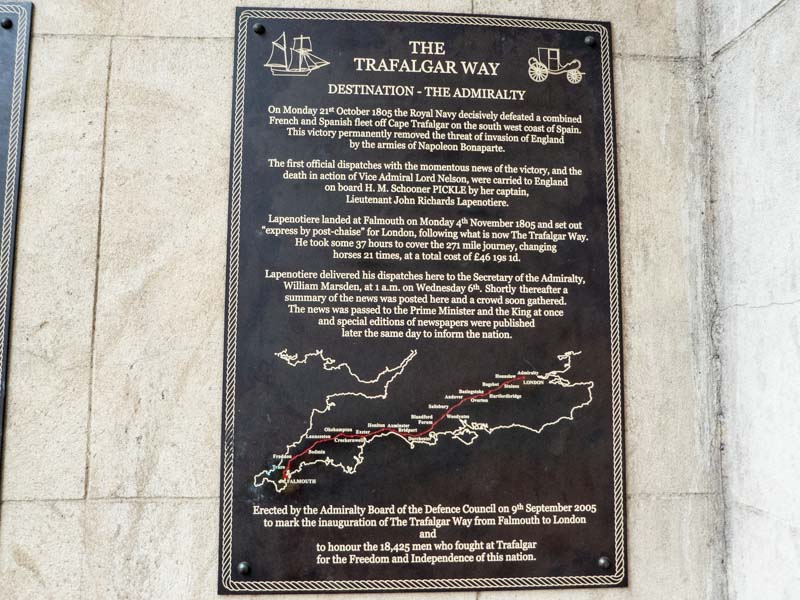

Plaque Wording:
The Trafalgar Way Destination - The Admiralty
On Monday 21st October 1805 the Royal Navy decisively defeated a combined French and Spanish fleet off Cape Trafalgar on the south west coast of Spain. This victory permanently removed the threat of invasion of England by the armies of Napoleon Bonaparte
The first official dispatches with the momentous news of the victory, and the death in action of Vice Admiral Lord Nelson, were carried to England on board H. M. Schooner PICKLE by her captain, Lieutenant John Richards Lapenotiere.
Lapenotiere landed at Falmouth on Monday 4th November 1805 and set out "express by post-chaise" for London. He took some 37 hours on the 271 mile journey, changing horses 21 times at a total cost of £46 19s 1d. Lapenotiere delivered his dispatches here to the Secretary of the Admiralty, William Marsden, at 1 a.m. on Wednesday 6th. Shortly thereafter a summary of the news was posted here and a crowd soon gathered. The news was passed to the Prime Minister and the King at once and special editions of newspapers were published later the same day to inform the nation.
On Monday 21st October 1805 the Royal Navy decisively defeated a combined French and Spanish fleet off Cape Trafalgar on the south west coast of Spain. This victory permanently removed the threat of invasion of England by the armies of Napoleon Bonaparte
The first official dispatches with the momentous news of the victory, and the death in action of Vice Admiral Lord Nelson, were carried to England on board H. M. Schooner PICKLE by her captain, Lieutenant John Richards Lapenotiere.
Lapenotiere landed at Falmouth on Monday 4th November 1805 and set out "express by post-chaise" for London. He took some 37 hours on the 271 mile journey, changing horses 21 times at a total cost of £46 19s 1d. Lapenotiere delivered his dispatches here to the Secretary of the Admiralty, William Marsden, at 1 a.m. on Wednesday 6th. Shortly thereafter a summary of the news was posted here and a crowd soon gathered. The news was passed to the Prime Minister and the King at once and special editions of newspapers were published later the same day to inform the nation.


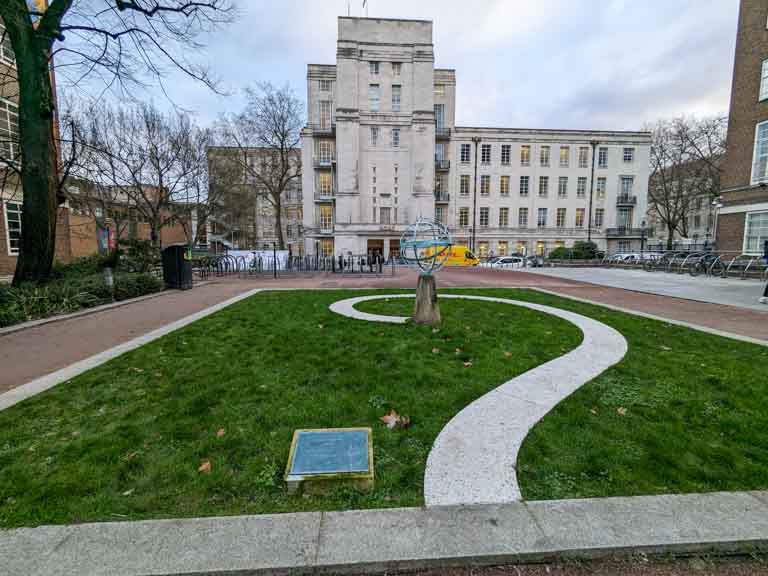
Plaque Wording:
I am rooted, but I flow Arielle Tse
This work commemorates the 150th anniversary of the UK's first admission of women into university education by the University of London
It was made possible by generous grants from the University's Convocation Trust and the University of London. November 2018
This work commemorates the 150th anniversary of the UK's first admission of women into university education by the University of London
It was made possible by generous grants from the University's Convocation Trust and the University of London. November 2018

 - King Henry VII.jpg "Sponsor: Independent one-offs (id: 2103)")
 - King Henry VII_ls.jpg)


I have no information about Norman James Turner. Please contact me if you do.


Plaque Wording:
In memory of the Ukrainian Canadians who served their country overseas during the Second World War.
This building housed the headquarters of the Ukrainian Canadian Servicemen's Association from January 1943 to the war's end, of the Central Ukrainian Relief Bureau from September 1945 to the winter of 1948, and of the Association of Ukrainians in Great Britain from January 1946 to the spring of 1947. Ukrainian-Canadian relief operations continued in Europe until 1952.
Placed by the Ukrainian communities of Canada and Great Britain, 19 September 1995.


Plaque Wording:
The United Wards Club of the City of London 1877-1977
 - Garvey, Marcus.jpg "Sponsor: Independent one-offs (id: 4283)")


.jpg "Sponsor: Independent one-offs (id: 3673)")


I have no information about Veteran Tugboat Captains of Victoria. Please contact me if you do.


Plaque Wording:
In Tribute to the Exiles of Siberia Victims of the Gulag of the East
To those fighting for the freedom and independence of Poland throughout the centuries,
Imprisoned and murdered in Soviet labour camps, killed and buried in Katyn graves, massively deported and dying there, To men, women, and children.
Kraków Siberian Exiles Families of Victims of the Katyn Crime Community of the City of Kraków


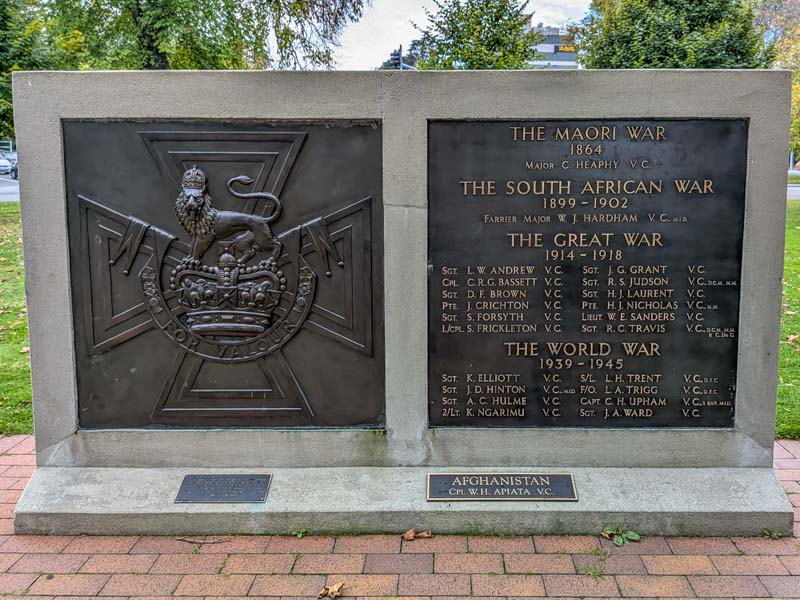




Plaque Wording:
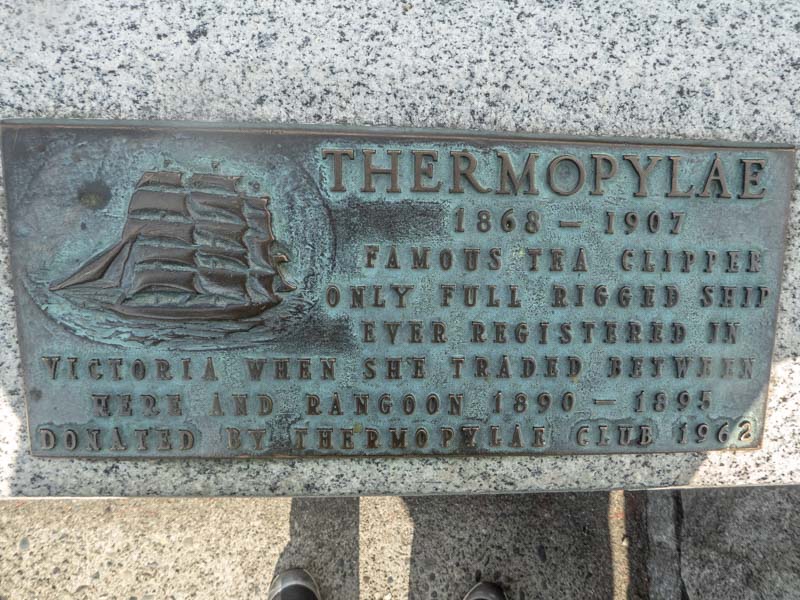
(brass plaque, photo on left) From near this spot, December 19 1606, sailed with 105 'adventurers':
The 'Susan Constant' 100 tons. Capt. Christopher Newport in supreme command;
The 'Godspeed' 40 tons. Capt. Bartholomew Gosnold;
The 'Discovery' 20 tons. Capt. John Ratcliffe.
Landed at Cape Henry, Virginia April 26 1607.
Arrived at Jamestown Virginia May 13 1607 where these 'adventurers' founded the first permanent English colony in America under the leadership of the intrepid Capt. John Smith, Edward Maria Wingfield President of the Council, the Reverend Robert Hunt and others.
At Jamestown July 30 1619, was convened the first representative assembly in America.
Erected by the Association for the Preservation of Virginia Antiquities in 1928 in commemoration.
(on Marble Base, photo on right) Virginia Quay. The Virginia Settlers Memorial tablet was unveiled in 1928 on the wall of Brunswick House which formerly stood about 100 yards to the west of this point. In 1999 Barratt Homes Limited reinstated this monument and commissioned the mariner's astrolabe by Wendy Taylor C.B.E.
(on Marble Base, photo on right) Virginia Quay. The Virginia Settlers Memorial tablet was unveiled in 1928 on the wall of Brunswick House which formerly stood about 100 yards to the west of this point. In 1999 Barratt Homes Limited reinstated this monument and commissioned the mariner's astrolabe by Wendy Taylor C.B.E.


Plaque Wording:
In this house in the years 1959 - 2005 lived Henryk Vogler writer, poet, co-founder of the literary publishing house, the Old Theatre and the J Slowacki theatre. A prisoner in concentration camps

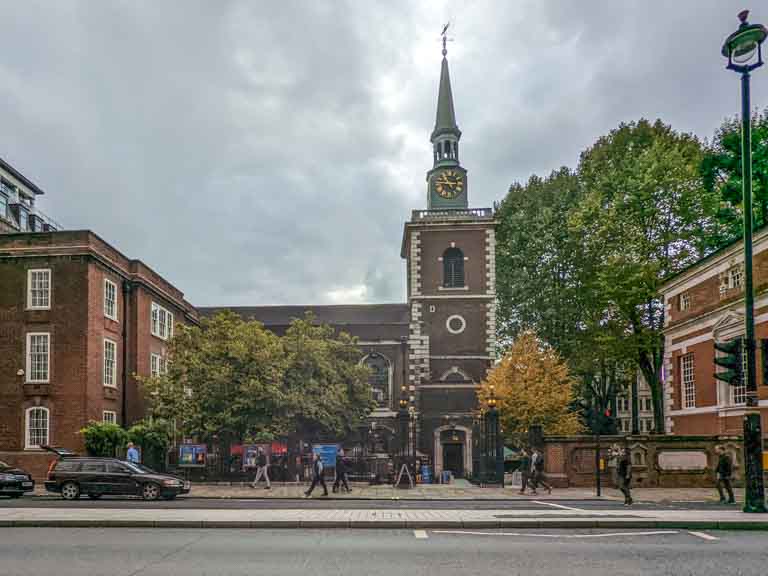


Plaque Wording:
Herbert Ashcombe Walker, KCB
London & South Western Railway General Manager 1911 - 1923.
Southern Railway General Manager 1923 - 1937.
Director 1937 - 1947.
This station, the development of the docks at Southampton & the electrification of the Southern Railway, to which he gave his genius & leadership, are his memorial.


I have no information about Alfred Burr. Please contact me if you do.


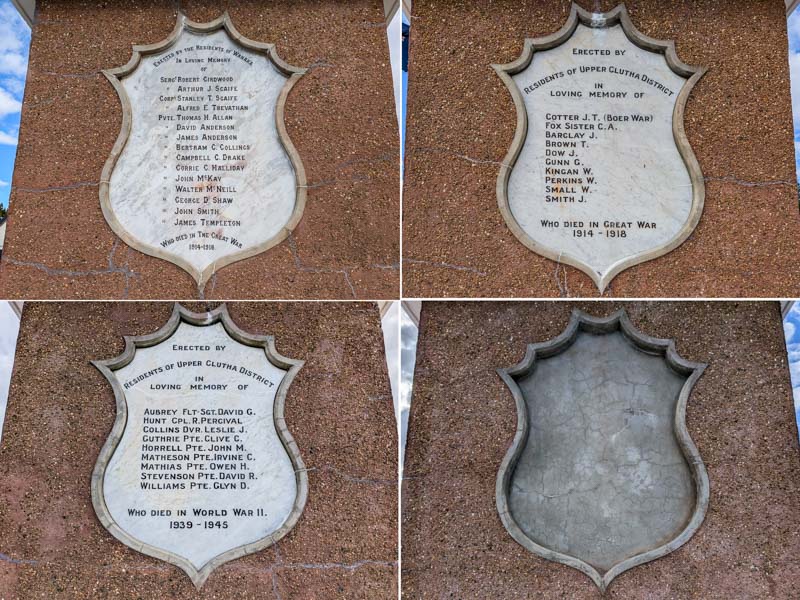
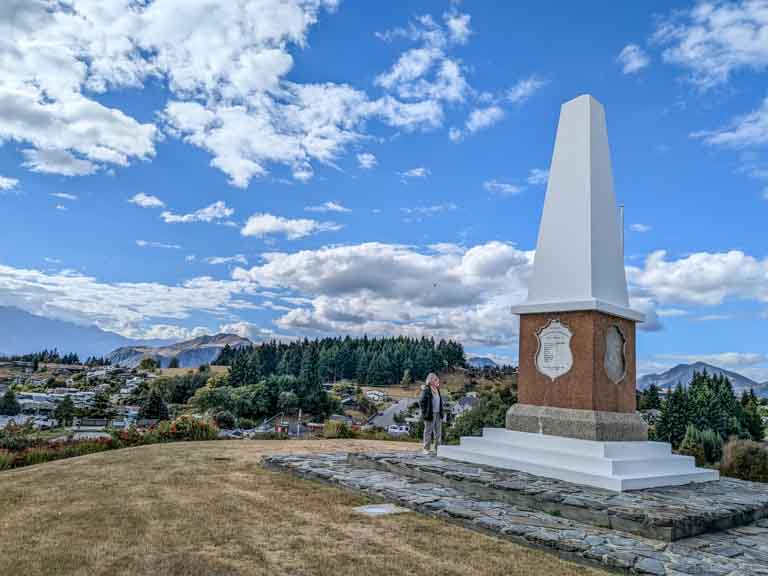
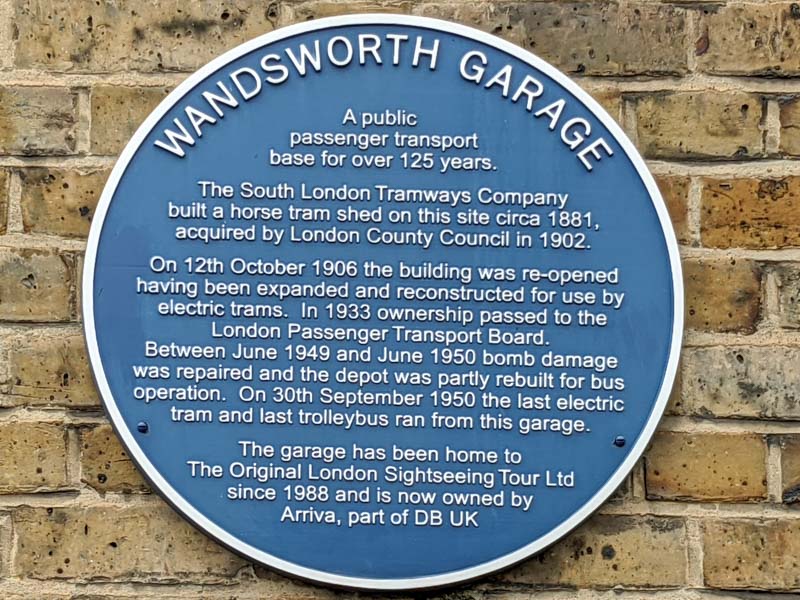




Plaque Wording:
Water Meeting Bridge. Re-built by the St Pancras Metropolitan Borough Council and opened by His Worship The Mayor of St Pancras, Councillor T R Morris, JP on 22nd November 1961.
Alderman Harold P. Bastie - Chairman Highways Committee
C. S. Bainbridge MPGB, FRICS, MIMunL.- Borough Engineer & Surveyor
L. G. Mouchel & Partners Ltd - Engineers
James Crosby & Sons Ltd - Contractors
R. C. E. Austin, LLM - Town Clerk













.jpg "Sponsor: Independent one-offs (id: 7260)")


Plaque Wording:
Whales in the Thames
[top centre] Occasionally whales and seals are seen in the Thames. Since 1986 Common Seals have been spotted as far up as Richmond. A Lesser Rorqual Whale has been seen as well as a Bottle-Nosed Dolphin which was stranded at East India Dock. Such incidents have offered exciting distractions for the people of London over many centuries. [top left] Several incidents of whales in the Thames were recorded by John Evelyn, Deptford's famous 17th century diarist. In 1658 he noted that "a large whale was taken betwixt my land abutting on the Thames and Greenwich, which drew an in the concourse to sea it, by water, coach and on foote. It appeared first below Greenwich at low water, for at high water it would have destroyed all the boats.
[top right] After a long conflict it was killed with a harping yron, struck in the head, out of which spouted blood and water by two tunnels and after a horrid groan it ran quite on shore and died." Again in 1699 Evelyn wrote "After an extraordinary storm there came up the Thames a whale fifty-six feet long". In 1842 the capture of a young fin whale about 20 feet long provided quite an attraction. It was killed off Deptford Pier one Sunday by a number of watermen and its two ton body was displayed at the Bull and Butcher public house on the corner of Old King Street nearby. A printer in Flagon Row, Deptford quickly printed up some bills to advertise this "Extraordinary and Surprising Novelty" for sight-seers.
In 1965 there was great excitement when a school of about 20 whales was sighted off Woolwich pier. Billy Smart's Circus tried to catch one and enlisted the support of skin-divers, a gigantic fishing net and a rubber dingy {stet} to inflate under the unfortunate captive. They planned to take the whale to a temporary pool on Clapham Common then to a permanent aquarium at Windsor. All was frustrated when a policeman pointed out that anything caught in the Thames becomes property of the Queen and under the Whaling Industry Act you cannot catch a whale in British waters. The whale catchers were last seen edging the whales out of the river, hoping to catch one in the open sea.
[top centre] Occasionally whales and seals are seen in the Thames. Since 1986 Common Seals have been spotted as far up as Richmond. A Lesser Rorqual Whale has been seen as well as a Bottle-Nosed Dolphin which was stranded at East India Dock. Such incidents have offered exciting distractions for the people of London over many centuries. [top left] Several incidents of whales in the Thames were recorded by John Evelyn, Deptford's famous 17th century diarist. In 1658 he noted that "a large whale was taken betwixt my land abutting on the Thames and Greenwich, which drew an in the concourse to sea it, by water, coach and on foote. It appeared first below Greenwich at low water, for at high water it would have destroyed all the boats.
[top right] After a long conflict it was killed with a harping yron, struck in the head, out of which spouted blood and water by two tunnels and after a horrid groan it ran quite on shore and died." Again in 1699 Evelyn wrote "After an extraordinary storm there came up the Thames a whale fifty-six feet long". In 1842 the capture of a young fin whale about 20 feet long provided quite an attraction. It was killed off Deptford Pier one Sunday by a number of watermen and its two ton body was displayed at the Bull and Butcher public house on the corner of Old King Street nearby. A printer in Flagon Row, Deptford quickly printed up some bills to advertise this "Extraordinary and Surprising Novelty" for sight-seers.
In 1965 there was great excitement when a school of about 20 whales was sighted off Woolwich pier. Billy Smart's Circus tried to catch one and enlisted the support of skin-divers, a gigantic fishing net and a rubber dingy {stet} to inflate under the unfortunate captive. They planned to take the whale to a temporary pool on Clapham Common then to a permanent aquarium at Windsor. All was frustrated when a policeman pointed out that anything caught in the Thames becomes property of the Queen and under the Whaling Industry Act you cannot catch a whale in British waters. The whale catchers were last seen edging the whales out of the river, hoping to catch one in the open sea.




Plaque Wording:
South London and Maudsley Trust
Xavier Hilts White was treated here April/June 1985 head injury survivor artist and Bethlem Gallery volunteer
SlaM 2018
Xavier Hilts White was treated here April/June 1985 head injury survivor artist and Bethlem Gallery volunteer
SlaM 2018


.jpg "Sponsor: Independent one-offs (id: 3852)")
_ls.jpg)
Plaque Wording:
From William Wilberforce's diary, 1788. "I well remember after a conversation with Mr. Pitt in the open air at the root of an old tree at Holwood, just above the steep descent into the vale of Keston, I resolved to give notice on a fit occasion in the House of Commons of my intention to bring forward the abolition of the slave-trade."


.jpg "Sponsor: Independent one-offs (id: 2690)")
_ls.jpg)


I have no information about R A Arkwright. Please contact me if you do.


Plaque Wording:
In this house during the last days of 1944, Wincenty Witos, three-time Prime Minister of Poland and activist of the PSL 'Piast' party, was hiding. He was given shelter in his own apartment No. 4 by engineer Bolesław Skapski. Wincenty Witos's stay in Kraków was connected with the plan to transport him to London. The secretive actions related to Witos's stay in the house in Wierchosławice were organized by Bolesław Skapski, Zygmunt Władysław Skapski, and members of the Home Army (AK).


Plaque Wording:
Woldenberg Riverfront Park is dedicated to the memory of Malcolm Woldenberg who prospered in New Orleans and left a legacy of caring and of confidence in the city of New Orleans




.jpg "Sponsor: Independent one-offs (id: 3336)")
_ls.jpg)


Plaque Wording:
1744-1832.
This road was named after Count Simon Woronzow, Russian Ambassador to the United kingdom from 1784-1806. He lived in Marylebone and on his death in 1832 left a bequest for the poor of the parish. The money was used to build St Marylebone Almshouses at the south-west corner of this road.


Plaque Wording:
In the years 1883 - 1895 lived and worked here Stanislaw Wyspianski 1869 - 1907 The great Polish poet and painter


I have no information about Cheslav Yakubovich. Please contact me if you do.
Plaque Wording:
Ministry of Education, Culture and Sport Department of Society and Youth.
In eternal memory of Cheslav Yakubovich of blessed memory 1920 - 1997 Head of the Kharkiv Community. Passed away on the 28th of Adar I, 5757 (7.3.97). On behalf of the youth delegations From the Ministry of Education and Culture in Israel. May his memory be blessed.
In eternal memory of Cheslav Yakubovich of blessed memory 1920 - 1997 Head of the Kharkiv Community. Passed away on the 28th of Adar I, 5757 (7.3.97). On behalf of the youth delegations From the Ministry of Education and Culture in Israel. May his memory be blessed.




Plaque Wording:
Offer your soul to God, wisdom to people, talent to art, glory to Poland. Prof. Wiktor Zin 1925 - 2007 A researcher of the history of Krakow, architecture, conservator. A promoter of knowledge about our country and its beauty


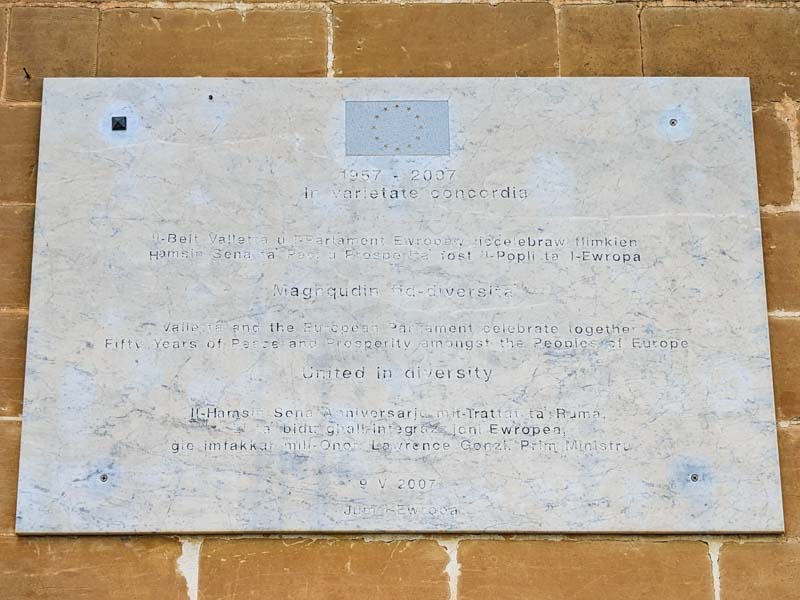

Plaque Wording:
Valletta and the European Parliament celebrate together 50 years of Peace and Prosperity amongst the Peoples of Europe. United in diversity


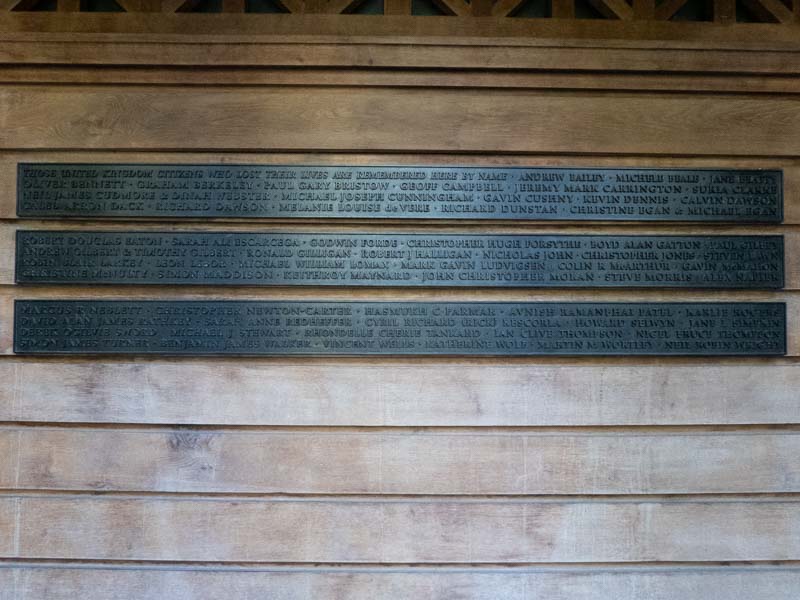
Plaque Wording:
Those United Kingdom citizens who lost their lives are remembered here by name:
67 names follow
67 names follow


Plaque Wording:
Marsh and McLennan's London offices are nearby.


Plaque Wording:
In this house lived John Adams, first American Minister to Great Britain, May 1785 to March 1788, afterwards Second President of the United States. From here his daughter Abigail was married to Colonel William Stephens Smith, First Secretary of the Legation and an officer in the Revolution Army on Washington's staff. John Adams and Abigail his wife, through character and personality, did much to create understanding between the two English-speaking countries. In their memory this tablet is placed by the Colonial Dames of America, 1933.



Plaque Wording:
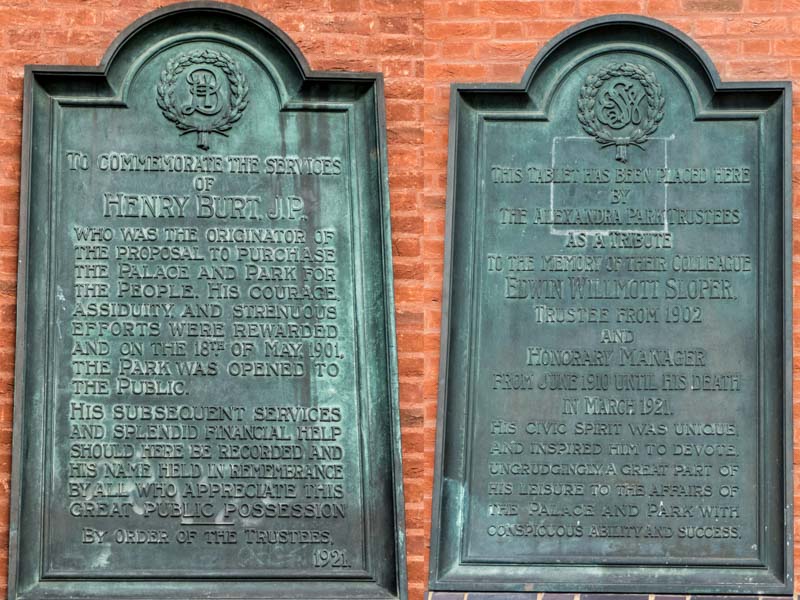
{A laurel wreath surrounding the entwined letter: H B.}
To commemorate the services of Henry Burt, J. P. who was the originator of the proposal to purchase the Palace and Park for the people. His courage, assiduity, and strenuous efforts were rewarded and on the 18th of May, 1901, the Park was opened to the public. His subsequent services and splendid financial help should here be recorded and his name held in remembrance by all who appreciate this great public possession.
By order of the Trustees, 1921.
To commemorate the services of Henry Burt, J. P. who was the originator of the proposal to purchase the Palace and Park for the people. His courage, assiduity, and strenuous efforts were rewarded and on the 18th of May, 1901, the Park was opened to the public. His subsequent services and splendid financial help should here be recorded and his name held in remembrance by all who appreciate this great public possession.
By order of the Trustees, 1921.


Plaque Wording:
Anchor Iron Wharf
In 964 King Edgar granted this land to the abbey of St Peter's in Ghent, Flanders. Henry V re-possessed it in 1414. After the English civil war Charles II granted the land to Sir William Boreman in 1676. He was clerk to the Board of Green Cloth and involved with the design of Greenwich Park. He also founded Green Coat School. In 1699 his widow sold the estate of Old Court Manor to Sir John Morden. He had already built Morden College in 1695 to accommodate merchants who had lost their estates by accidents and perils of the seas.
In 1705 Sir Ambrose Crowley, an iron-maker, moved to a riverside mansion which he renamed Crowley House and built Crowley's Wharf. In 1953 Charles Robinson moved his premises to what became Anchor Iron & Crowley's Wharf. The principal cargoes were scrap iron, lead ingots, metal and glass.




Plaque Wording:
THE CITY OF MARSEILLE
IN RECOGNITION
TO THE VOLUNTEER FIGHTERS
AND FRENCH RESISTANCE MEMBERS
OF ARMENIAN ORIGIN
OF THE FRENCH ARMY
FALLEN IN THE FIELD OF HONOUR IN
1914 - 1918
1939 - 1945
SO THAT FRANCE MAY LIVE
AND IN MEMORY
OF THE DEPORTED MARTYRS
PATRIOTS OF THE TWO WARS

I have no information about Alan Norman Armour. Please contact me if you do.




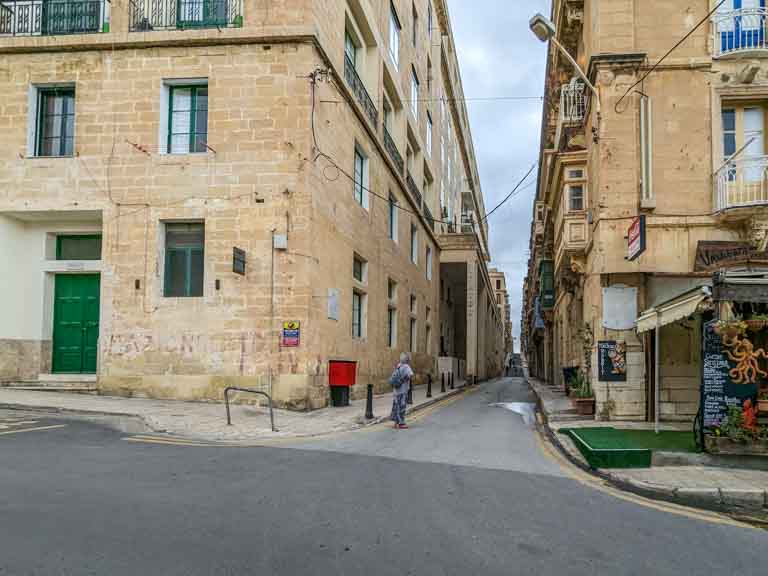
Plaque Wording:
THE PAWLINI ASSOCIATION THANKS TO OUR FATHERS AT THIS PLACE THEY WORKED TO DECORATE THE STREETS OF THE CITY OF VALLETTA The 50th Anniversary today February 15 1858
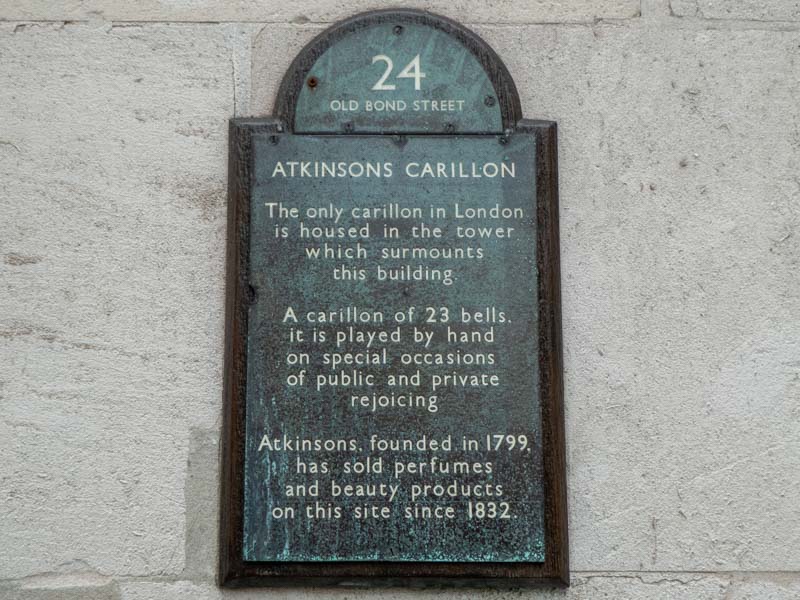
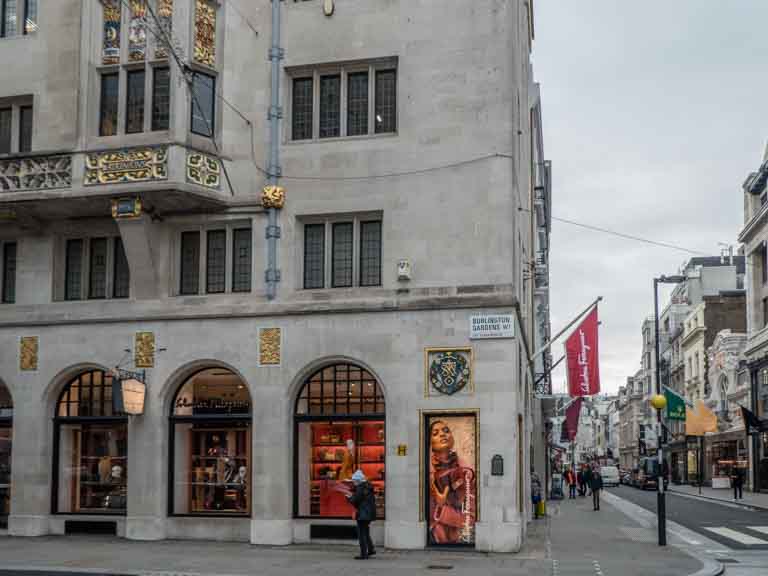

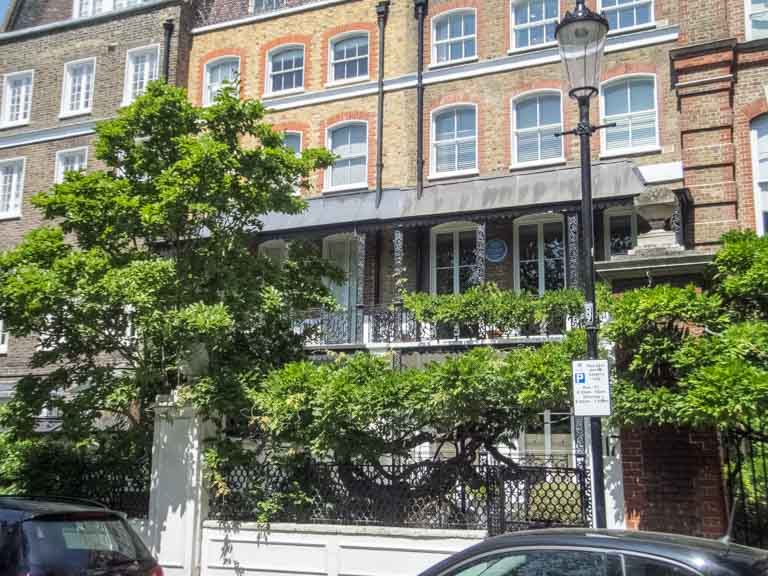


Plaque Wording:
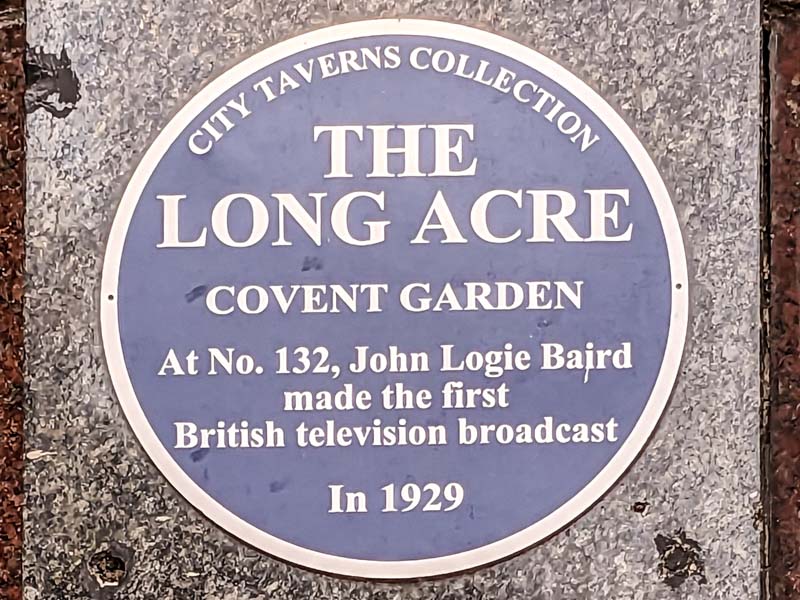
From this site John Logie Baird broadcast the first television programme in Great Britain on the 30th September 1929. The Royal Television Society







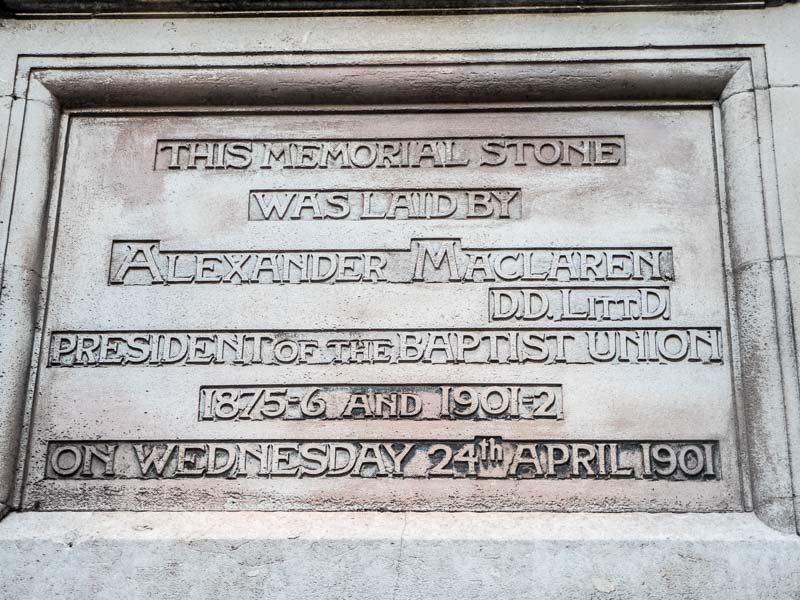


Plaque Wording:
Ruy Barbosa 1849-1923 Eminent Brazilian Statesman and Jurist lived here 1895


Plaque Wording:
Barking Abbey
Was founded by St Erkenwald in the year 666. Destroyed by the Danes it was rebuilt in the 10th century. William the Conqueror stayed here after his coronation in 1066. It was dissolved in 1539 and demolished within three years.
Saint Margarets Church Founded about 1215 was altered and enlarged in the 15th and 16th centuries. Captain Cook was married here in 1762.
Curfew Tower A gateway to the abbey built in the 14th century and reconstructed in 1460. The 12th century stone head now in the chapel over the gateway was the object of pilgrimage in medieval times.
This stone was set up on 4th December 1960 to mark the fifth centenary of the Curfew Tower.
Saint Margarets Church Founded about 1215 was altered and enlarged in the 15th and 16th centuries. Captain Cook was married here in 1762.
Curfew Tower A gateway to the abbey built in the 14th century and reconstructed in 1460. The 12th century stone head now in the chapel over the gateway was the object of pilgrimage in medieval times.
This stone was set up on 4th December 1960 to mark the fifth centenary of the Curfew Tower.
Plaque Wording:
Barking Abbey
Was founded by St Erkenwald in the year 666. Destroyed by the Danes it was rebuilt in the 10th century. William the Conqueror stayed here after his coronation in 1066. It was dissolved in 1539 and demolished within three years.
Saint Margarets Church Founded about 1215 was altered and enlarged in the 15th and 16th centuries. Captain Cook was married here in 1762.
Curfew Tower A gateway to the abbey built in the 14th century and reconstructed in 1460. The 12th century stone head now in the chapel over the gateway was the object of pilgrimage in medieval times.
This stone was set up on 4th December 1960 to mark the fifth centenary of the Curfew Tower.
Saint Margarets Church Founded about 1215 was altered and enlarged in the 15th and 16th centuries. Captain Cook was married here in 1762.
Curfew Tower A gateway to the abbey built in the 14th century and reconstructed in 1460. The 12th century stone head now in the chapel over the gateway was the object of pilgrimage in medieval times.
This stone was set up on 4th December 1960 to mark the fifth centenary of the Curfew Tower.


I have no information about Bert Barnes (Leysdown Boy Scouts Tragedy). Please contact me if you do.


.jpg "Sponsor: Independent one-offs (id: 3812)")


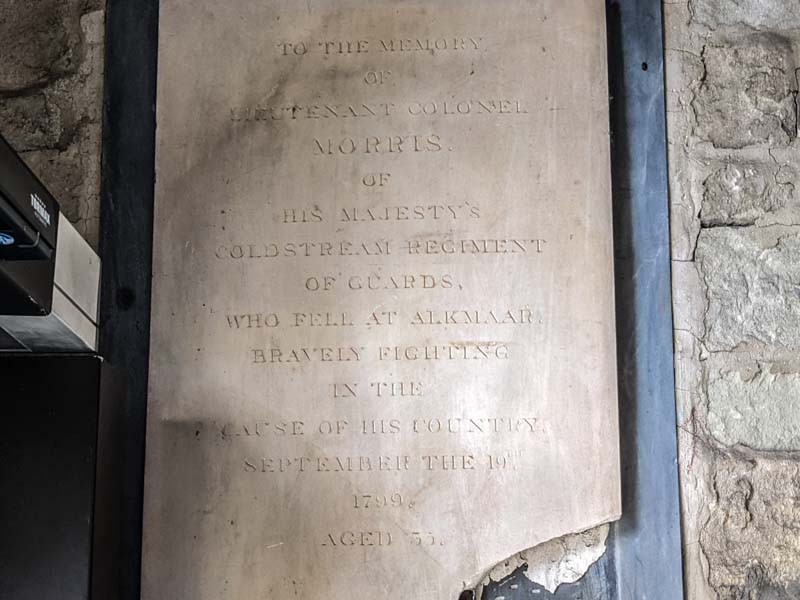


.jpg "Sponsor: Independent one-offs (id: 5510)")
_ls.jpg)
Plaque Wording:
Dedicated to the memory of those from the Allied armies who gave their lives in the Battle of Waterloo.
{On the medallion:} Wellington Waterloo June 18, 1815 T. Wyon S.
"My heart is broken by the terrible loss I have sustained in my old friends and companions and my poor soldiers. Believe me, nothing except a battle lost can be half so melancholy as a battle won."
Field Marshal Arthur Wellesley, 1st Duke of Wellington
{On the medallion:} Wellington Waterloo June 18, 1815 T. Wyon S.
"My heart is broken by the terrible loss I have sustained in my old friends and companions and my poor soldiers. Believe me, nothing except a battle lost can be half so melancholy as a battle won."
Field Marshal Arthur Wellesley, 1st Duke of Wellington


Plaque Wording:
British Broadcasting Corporation 1942-1957
From June 1942 for fifteen years this building was the headquarters of the B.B.C. Overseas Services. During the war direct broadcasts were made to America from the roof while air-raids were in progress. The B.B.C. vacated the premises in November 1957
From June 1942 for fifteen years this building was the headquarters of the B.B.C. Overseas Services. During the war direct broadcasts were made to America from the roof while air-raids were in progress. The B.B.C. vacated the premises in November 1957


Plaque Wording:
Sidney Bechet Wizard of jazz and master of the clarinet and soprano saxophone. Born May 14, 1897 New Orleans Died May 14, 1959 Paris, France "I have never forgotten the power and imagination with which he played." Duke Ellington (c.1973) This memorial was unveiled by Marc H Moriai, Mayor City of New Orleans, and Francois Bujon de L'Esiang French ambassador to the U.S. in the presence of Daniel Sidney Bechet and other Bechet family members too numerous to mention. May 6 1997


Plaque Wording:
Bermondsey Abbey
The Cluniac (Benedictine) Priory of St Saviour at Bermondsey occupied ground between Bermondsey Street, Abbey Street and Grange Walk. Founded in 1082 it flourished from the 12th to 15th century. This plaque marks the site of the Abbey Church.
The Cluniac (Benedictine) Priory of St Saviour at Bermondsey occupied ground between Bermondsey Street, Abbey Street and Grange Walk. Founded in 1082 it flourished from the 12th to 15th century. This plaque marks the site of the Abbey Church.


Plaque Wording:
1881 - 1951. The Rt.Hon. Ernest Bevin "The Dockers' K.C.". National Organiser of the Dockers' Union, 1910 - 1921. General Secretary of the Transport and General Workers Union, 1921 - 1945. Chairman Trades Union Congress, 1937. Member of Parliament Central Wandsworth, 1940 - 1950 and East Woolwich, 1950 - 1951. Minister of Labour and National Service, 1940 - 1945. Secretary for Foreign Affairs, 1945 - 1951. Member of the Executive Committee of the International Transport Workers Federation.
A forceful and inspiring leader of democratic principles. He gained a place in men's hearts few could equal.



Plaque Wording:
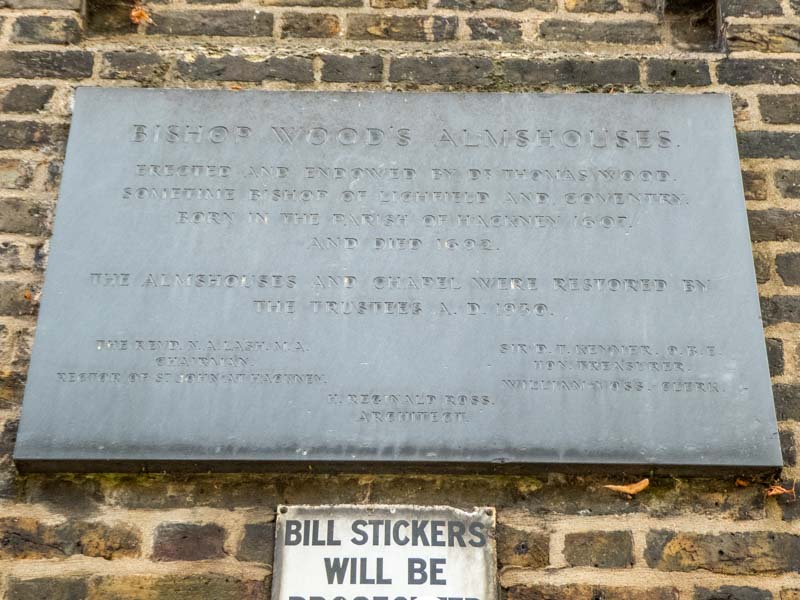
Bishops Wood Almshouses Erected and endowed by Dr Thomas Wood sometime bishop of Lichfield and Coventry. Born in the parish of Hackney 1607 and died 1692. The almshouses and chapel were restored by the trustees A.D. 1930.







Plaque Wording:
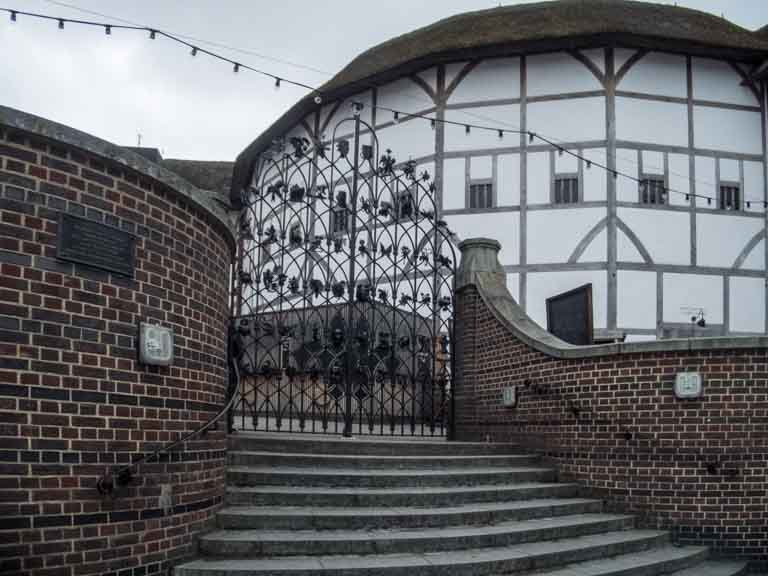
In memory of the workers of Kraków, participants of a demonstration organized by trade unions, who died in a clash with police on March 23, 1936.


I have no information about William Shepherd. Please contact me if you do.




Plaque Wording:
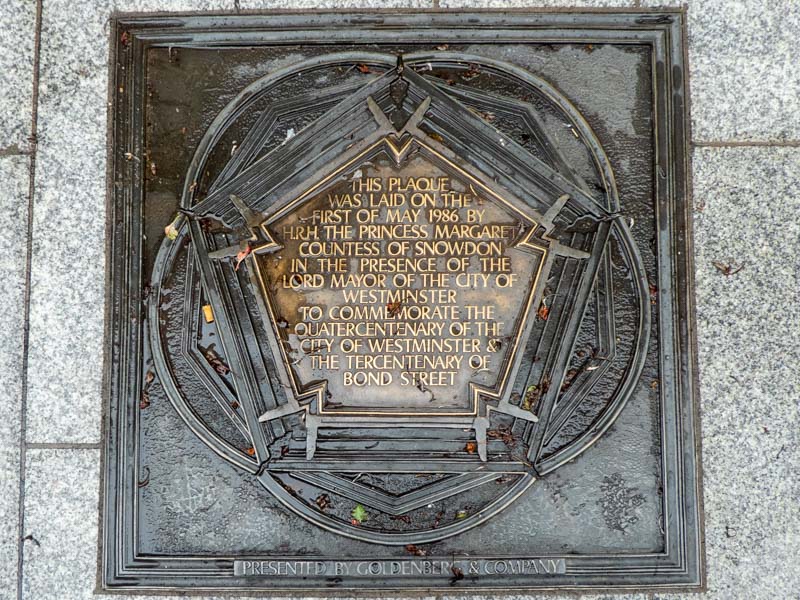
This stone was laid July 7th 1879 by Edmund Boulnois Esq chairman of the board of guardians of the parish of St Marylebone......


Plaque Wording:
To the memory of James Braidwood superintendent of the London Fire Brigade, who was killed near this spot in the execution of his duty at the great fire on 2 June 1861.
A just man and one that feared god, of good report among all the nation.
A just man and one that feared god, of good report among all the nation.





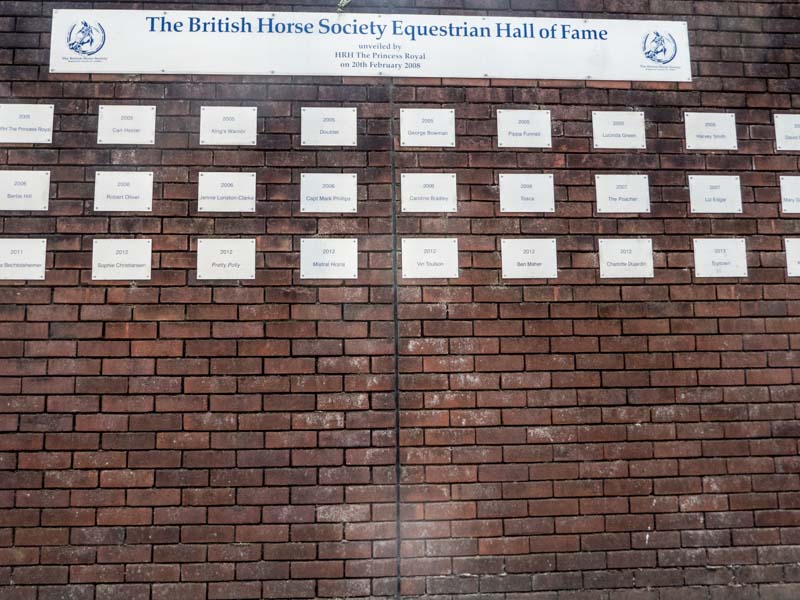
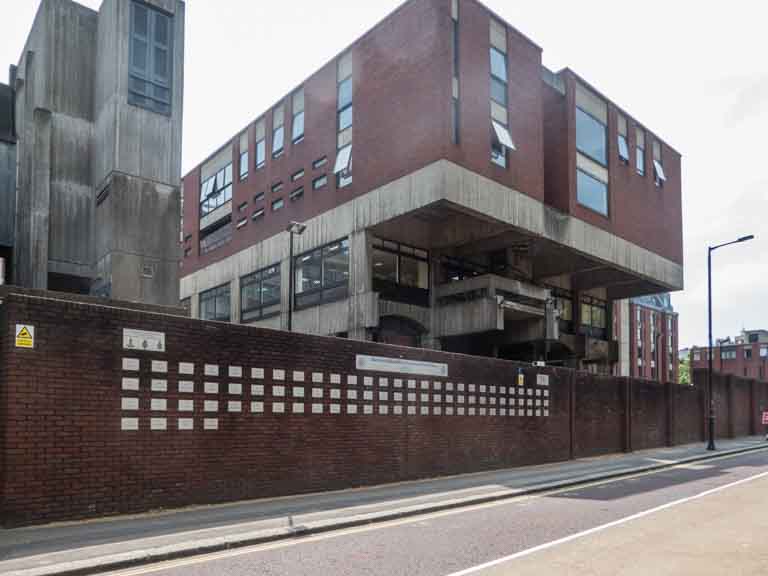


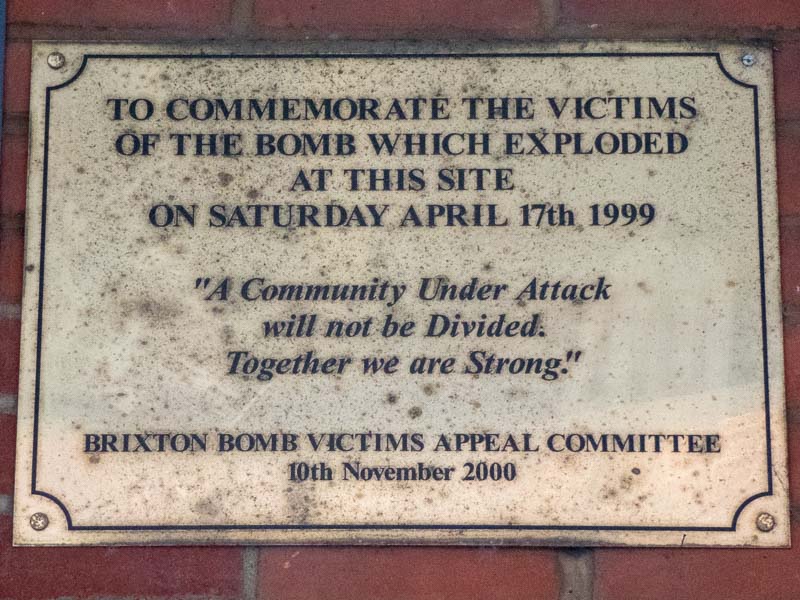


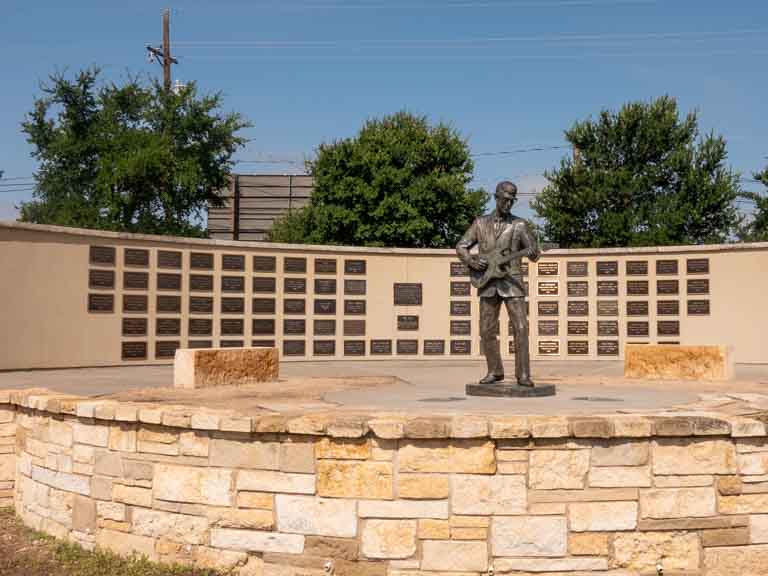


I have no information about Henry Burke. Please contact me if you do.


I have no information about C A Robinson & Co. Please contact me if you do.

I have no information about C A Robinson & Co. Please contact me if you do.


 - Trudeau, Pierre.jpg "Sponsor: Independent one-offs (id: 3993)")




I have no information about Deborah Carroll. Please contact me if you do.



 - American University of Beirut.jpg "Sponsor: Independent one-offs (id: 5539)")
 - American University of Beirut_ls.jpg)









I have no information about Chiltern Garage (Marylebone's 1st car park). Please contact me if you do.




Plaque Wording:
This building was erected by voluntary contributions for a dispensary and soup kitchen. It was intended as a thank-offering to Almighty God for his special mercy in sparing this parish during the visitation of cholera in the year 1849. The site was purchased in 1850 and the building completed in 1853. He shall deliver thee from the noisome pestilence. Thomas Ainger M.A. Incumbent




I have no information about Ciuffo. Please contact me if you do.


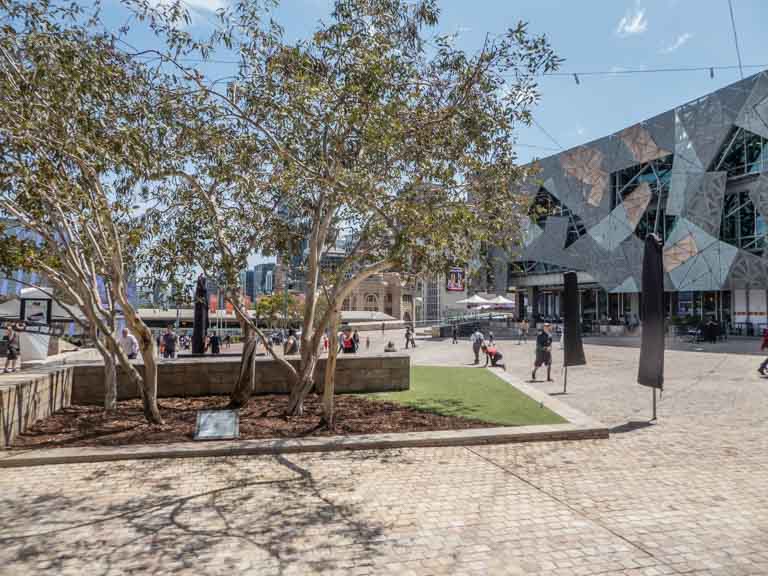
Plaque Wording:
In memory of King Cole, Aboriginal cricketer who died on the 24th June 1868
Your aboriginal dreamtime home. Wish you peace.
Nyuntu anangu tjukapa wiltja nga palya nga.
Eucalyptus pauciflora donated to the Aboriginal Cricket Association by Hillier Nurseries Ltd. Planted on Sunday 26th June 1988.
Your aboriginal dreamtime home. Wish you peace.
Nyuntu anangu tjukapa wiltja nga palya nga.
Eucalyptus pauciflora donated to the Aboriginal Cricket Association by Hillier Nurseries Ltd. Planted on Sunday 26th June 1988.


Plaque Wording:
In memory of those who lost their lives when a bomb penetrated the Columbia Market air raid shelter, 7 September 1940. (45 names) Also in memory of those who died through their wounds after 7 September 1940.


Plaque Wording:
A debt of honour - The Memorial Gates
This memorial was inaugurated by Her Majesty the Queen during the Golden Jubilee year, 2002. It commemorates the service and sacrifices of five million men and women from the Indian Sub-continent, Africa and the Caribbean, who volunteered to fight with the British in the two World Wars, 1914-18 and 1939-45. This is the first time that their magnificent contribution has received fitting recognition. With so many descendants of these volunteers now living in the United Kingdom, the Memorial Gates serve to remind us all of our shared sacrifices in times of greatest need.
First World War, 1914-18
Indian Sub-continent and the Kingdom of Nepal - 1,440,500 men and women, including 100,000 Gurkhas, volunteered for military service in the Indian Army. They fought on the Western Front, in Gallipoli, Persia, Egypt, Palestine and Mesopotamia.
Africa - the old British African colonies provided 62,000 troops and transport auxiliaries who fought in Africa.
Caribbean - over 15,000 men served in the British West Indies Regiment and saw action in France, Palestine, Egypt and Italy.
Second World War, 1939-45
Indian Sub-Continent and the Kingdom of Nepal - over 2,500,000 including 132,000 Gurkhas, served in Burma, Malaya, Hong Kong, North and East Africa, France, Italy, Greece and throughout the Middle East.
Africa - over 372,000, mostly from East and West Africa, served in the Middle East, East Africa, Italy and Burma.
Caribbean - over 7,000 men and women volunteered to aid the war effort, many of whom saw action in the Middle East, Far East, East Africa and Italy.
The Memorial Gates have been funded by a National Lottery grant from the Millennium Commission and the generous support of trusts, foundations and members of the public.
This panel was donated by the Friends of War Memorials and the West Indian Ex-Services Association UK.
Memorial Gates Trust
First World War, 1914-18
Indian Sub-continent and the Kingdom of Nepal - 1,440,500 men and women, including 100,000 Gurkhas, volunteered for military service in the Indian Army. They fought on the Western Front, in Gallipoli, Persia, Egypt, Palestine and Mesopotamia.
Africa - the old British African colonies provided 62,000 troops and transport auxiliaries who fought in Africa.
Caribbean - over 15,000 men served in the British West Indies Regiment and saw action in France, Palestine, Egypt and Italy.
Second World War, 1939-45
Indian Sub-Continent and the Kingdom of Nepal - over 2,500,000 including 132,000 Gurkhas, served in Burma, Malaya, Hong Kong, North and East Africa, France, Italy, Greece and throughout the Middle East.
Africa - over 372,000, mostly from East and West Africa, served in the Middle East, East Africa, Italy and Burma.
Caribbean - over 7,000 men and women volunteered to aid the war effort, many of whom saw action in the Middle East, Far East, East Africa and Italy.
The Memorial Gates have been funded by a National Lottery grant from the Millennium Commission and the generous support of trusts, foundations and members of the public.
This panel was donated by the Friends of War Memorials and the West Indian Ex-Services Association UK.
Memorial Gates Trust


Plaque Wording:
This tablet was erected in loving memory of William Compton. Fifth Marquess of Northampton K.G. by his London tenants and friends. 1914.


Plaque Wording:
Confederate Field Texans served in both the Confederate and the Federal armies during the Civil War. While there were few battles on Texas soil, Dick Dowling's troops turned back Federal invasion forces at Sabine Pass in 1863, and the last land engagement of the war was fought at Palmito Ranch near Brownsville {the rest is illegible}




Plaque Wording:
William Taylor Copeland Esq Alderman M.P. Lord Mayor of London 1835-36 The first President of St Mark's Hospital Painted and presented by James Ward Esq R.A. April 1854


I have no information about Covid-19 Memorial Austin. Please contact me if you do.








Plaque Wording:
The grave beneath this yew tree is that of ten workmen who died in a fall from the roof of the Crystal Palace during its reconstruction at Sydenham on 15th August 1853.
The Kentish Mercury and Home Counties Advertiser carried a detailed account of the "frightful accident": On Monday afternoon, shortly after 2 o'clock, one of the most frightful and fatal accidents by the falling of scaffolding occurred at the works of the new Crystal Palace, and which has resulted in the death of 12 men, and severe injuries to others. A very large mass of framework, apparently of great strength, had fallen from its position, some 180 feet high, carrying with it part of the girders and several columns of the north side of the nave. The staging had fallen inwards in the direction of the central nave, carrying with it a vast quantity of iron and woodwork. Six of the poor men were picked up quite dead close to each other, the position in which they were found indicating they must have fallen at an angle of something like forty degrees. Three others were found dead at a short distance, and one poor fellow lived for a few moments, but was not sufficiently collected to give any explanation of how the accident occurred. The precise cause of the disaster will probably never be discovered.
The funeral of the workmen was a big occasion. The Kentish Mercury describes it: The funeral took place on Thursday afternoon (18 August 1853) in the churchyard of New Sydenham Church - an elegant modern structure, embosomed in luxuriant foliage, and situated in a most romantic spot. The day was observed as a solemn holiday in the district, and there was a total cessation of all work within the Palace. The mournful procession formed in the central nave, and as the clock chimed three it slowly emerged from the building and wended its way along the beautiful road which conducts to the church. Each coffin was followed by its own particular mourners and at the rear of the last came the whole body of the workmen, numbering some thousand persons. In its course the procession was swelled by fresh additions, until when it reached the church there must have been between 2000 and 3000 persons following.
The Kentish Mercury and Home Counties Advertiser carried a detailed account of the "frightful accident": On Monday afternoon, shortly after 2 o'clock, one of the most frightful and fatal accidents by the falling of scaffolding occurred at the works of the new Crystal Palace, and which has resulted in the death of 12 men, and severe injuries to others. A very large mass of framework, apparently of great strength, had fallen from its position, some 180 feet high, carrying with it part of the girders and several columns of the north side of the nave. The staging had fallen inwards in the direction of the central nave, carrying with it a vast quantity of iron and woodwork. Six of the poor men were picked up quite dead close to each other, the position in which they were found indicating they must have fallen at an angle of something like forty degrees. Three others were found dead at a short distance, and one poor fellow lived for a few moments, but was not sufficiently collected to give any explanation of how the accident occurred. The precise cause of the disaster will probably never be discovered.
The funeral of the workmen was a big occasion. The Kentish Mercury describes it: The funeral took place on Thursday afternoon (18 August 1853) in the churchyard of New Sydenham Church - an elegant modern structure, embosomed in luxuriant foliage, and situated in a most romantic spot. The day was observed as a solemn holiday in the district, and there was a total cessation of all work within the Palace. The mournful procession formed in the central nave, and as the clock chimed three it slowly emerged from the building and wended its way along the beautiful road which conducts to the church. Each coffin was followed by its own particular mourners and at the rear of the last came the whole body of the workmen, numbering some thousand persons. In its course the procession was swelled by fresh additions, until when it reached the church there must have been between 2000 and 3000 persons following.




No long-shot available (yet)




Plaque Wording:
The Crocus Trust/CancerBacup Centre was opened by Chris de Burgh on 28th September 2000. It is dedicated to his much-loved aunt Rosemary whose life was claimed by colorectal cancer. May her memory help save many lives.


Plaque Wording:
This monument was unveiled by HRH the Duke of Edinburgh KG, KT in the presence of Senator Eduardo Menem the President of the Honourable Senate of the Argentine Republic; Councillor Angela Hooper CBE, the Lord Mayor of Westminster; The Rt. Hon. Douglas Hurd MBE, MP, the Secretary of State for Foreign and Commonwealth Affairs and H. E. Ambassador Mario Campora.
November 1994.


I have no information about Nell Deller. Please contact me if you do.








Plaque Wording:
On July 3 1901, while performing his duties at the top of the tower, the firefighter/bugler Antoni Dolega passed away into eternity


Plaque Wording:
In remembrance of the Rev. E. K. Douglas, Vicar of S. Mary of Eton, The Eton Mission.
Due largely to his initiative 337 acres of Hackney Marshes were acquired in 1890 as a perpetual open space for the people of London.


Plaque Wording:
Sir Francis Drake
In 1581 Queen Elizabeth I commanded that Francis Drake's ship, The Golden Hinde, be drawn into a creek near here at Deptford as a perpetual memorial for having "circuited about the whole earth."
On 4 April 1581, she banqueted on board the Golden Hind and "consecrated it with great ceremonie, pompe, and magnificence eternally to be remembered." And forthwith knighted Drake on his ship in recognition of the honouyr that he had brought to England by his discoveries and circumnavigation in the years 1577 - 1580.
His achievements included discovery of open sea from Atlantic to Pacific below South America: opening of English trade in the Far East: and claim to the Western region of North America for England. Naming it Nova Albion (New England) and thereby linking it with claims to the east coast and encouraging subsequent colonization of the Eastern seaboard.
Drake's voyage fostered the principle expressed by the Queen "That the VSE of the sea as of the Ayre is common to all. And that the publique necessitie permits not it should be possessed."
Presented by The Drake Navigators Guild, California. Quadricentennial, 4 April 1981
In 1581 Queen Elizabeth I commanded that Francis Drake's ship, The Golden Hinde, be drawn into a creek near here at Deptford as a perpetual memorial for having "circuited about the whole earth."
On 4 April 1581, she banqueted on board the Golden Hind and "consecrated it with great ceremonie, pompe, and magnificence eternally to be remembered." And forthwith knighted Drake on his ship in recognition of the honouyr that he had brought to England by his discoveries and circumnavigation in the years 1577 - 1580.
His achievements included discovery of open sea from Atlantic to Pacific below South America: opening of English trade in the Far East: and claim to the Western region of North America for England. Naming it Nova Albion (New England) and thereby linking it with claims to the east coast and encouraging subsequent colonization of the Eastern seaboard.
Drake's voyage fostered the principle expressed by the Queen "That the VSE of the sea as of the Ayre is common to all. And that the publique necessitie permits not it should be possessed."
Presented by The Drake Navigators Guild, California. Quadricentennial, 4 April 1981


Plaque Wording:
Adam Dulęba Chronicler and photographer of the Polish Legions, soldier of the Home Army. He lived in this house from 1900 to 1921. Murdered in the Gross-Rosen concentration camp in 1944. This plaque was placed by the City Council of Kraków and the Ś.Z.ŻA.K. Circle in Staszów in August 2002.




Plaque Wording:
In memory of Genevieve Beavers Earle 1883-1956 longtime resident of Brooklyn Heights. Civic leader and good neighbor. Member and minority leader of the city council. Devoted to the welfare of Brooklyn and the city of New York. This plaque is the gift of her many friends.


Plaque Wording:
The Hermitage Memorial Riverside Garden
The garden and memorial sculpture are in memory of the East London civilians who were killed and injured in the Second World War, 1939 - 1945, and of the suffering of those who lost relatives, friends and homes.
Tens of thousands of men, women and children lost life and limb in the wartime bombing of London and other major cities. More than a million homes were destroyed. The most intense bombing occurred between September 1940 and May 1941 and became known as the Blitz (from the German "Blitzkrieg" meaning "lightning war"). In the first three months of the Blitz bombs rained on London almost every night.
The Port of London, with its docks, warehouses and industry, was an important strategic target for the German bombers and an easy one to locate along the Thames. Countless bombs also fell on the surrounding densely packed streets of East and South East London, which were home to many of London's poorest families. The consequences were devastating. On this site stood the Hermitage Wharf, which was hit during a massive firebomb raid on the City of London on 29 December 1940.
The memorial sculpture was designed by Wendy Taylor CBE. The symbol of the dove is intended to suggest hope, rather than dwell intrusively on the dead. Its representation as an absence signifies the loved ones who were lost. The garden and sculpture were commissioned by the Hermitage Environment Group and funded by the generous contributions of the Berkeley Group Holdings plc, the Williams Charitable Trust, the Garfield Weston Foundation and many other individuals and businesses.
The garden and memorial sculpture are in memory of the East London civilians who were killed and injured in the Second World War, 1939 - 1945, and of the suffering of those who lost relatives, friends and homes.
Tens of thousands of men, women and children lost life and limb in the wartime bombing of London and other major cities. More than a million homes were destroyed. The most intense bombing occurred between September 1940 and May 1941 and became known as the Blitz (from the German "Blitzkrieg" meaning "lightning war"). In the first three months of the Blitz bombs rained on London almost every night.
The Port of London, with its docks, warehouses and industry, was an important strategic target for the German bombers and an easy one to locate along the Thames. Countless bombs also fell on the surrounding densely packed streets of East and South East London, which were home to many of London's poorest families. The consequences were devastating. On this site stood the Hermitage Wharf, which was hit during a massive firebomb raid on the City of London on 29 December 1940.
The memorial sculpture was designed by Wendy Taylor CBE. The symbol of the dove is intended to suggest hope, rather than dwell intrusively on the dead. Its representation as an absence signifies the loved ones who were lost. The garden and sculpture were commissioned by the Hermitage Environment Group and funded by the generous contributions of the Berkeley Group Holdings plc, the Williams Charitable Trust, the Garfield Weston Foundation and many other individuals and businesses.


Plaque Wording:
This stone was laid by J Passmore Edwards esq 19 October 1900


.jpg "Sponsor: Independent one-offs (id: 4453)")
_ls.jpg)


Plaque Wording:
Esperance Bridge July 2021 Named by the children of the Kings Crsoss Academy, Esperance means hope, expectation and belief. The name is inspired by the Esperance Club (1895-1914), a pioneering social project for local sewing girls founded by the radical Suffragettes Mary Neal and Emmeline Pethick-Lawrence.


Plaque Wording:
1869 - 1976 The Evelina Hospital for Sick Children in Southwark
Baroness Evelina de Rothschild Baron Ferdinand de Rothschild Lady Superintendent Alice Cross Dr Arthur Farre MD FRCP FRS
This plaque celebrates the founding of the Evelina Children's Hospital, which was built on this site in 1869. It commemorates the work of the founder, planners, doctors, nurses and staff, and all the generous benefactors and supporters during the hospital's first 107 years.
The hospital was founded by Baron Ferdinand de Rothschild in memory of the early deaths of his wife, Evelina, and their baby son. The hospital was planned by Dr Arthur Farre, obstetrician to Evelina and the royal family.
The chosen site, Southsea Court in Southwark, was in one of the poorest districts of London, where children were stricken with disease, serious infections and undernourishment leading to many deaths. This new model hospital uplifted the spirit of the people, bringing to a deprived district the hope of fighting the ravages of childhood diseases.
In 1976 the Evelina moved to Guy's Tower, Southwark, to unite with Guy's Hospital Children's Department. The old Evelina building was demolished and the area was converted into Mint Street Park.
Baroness Evelina de Rothschild Baron Ferdinand de Rothschild Lady Superintendent Alice Cross Dr Arthur Farre MD FRCP FRS
This plaque celebrates the founding of the Evelina Children's Hospital, which was built on this site in 1869. It commemorates the work of the founder, planners, doctors, nurses and staff, and all the generous benefactors and supporters during the hospital's first 107 years.
The hospital was founded by Baron Ferdinand de Rothschild in memory of the early deaths of his wife, Evelina, and their baby son. The hospital was planned by Dr Arthur Farre, obstetrician to Evelina and the royal family.
The chosen site, Southsea Court in Southwark, was in one of the poorest districts of London, where children were stricken with disease, serious infections and undernourishment leading to many deaths. This new model hospital uplifted the spirit of the people, bringing to a deprived district the hope of fighting the ravages of childhood diseases.
In 1976 the Evelina moved to Guy's Tower, Southwark, to unite with Guy's Hospital Children's Department. The old Evelina building was demolished and the area was converted into Mint Street Park.












I have no information about First Belgian School in London. Please contact me if you do.

.jpg "Sponsor: Independent one-offs (id: 3470)")
_ls.jpg)




Plaque Wording:
Leaside - Gateway to Fish Island
Funded through Leaside Regeneration Ltd SRB4 Programme - London Development Agency -
Tower Hamlets - Transport for London Street Management -
This project is being part-financed by the European Community European Regional Development Fund - Groundwork Hackney




I have no information about James Foster. Please contact me if you do.


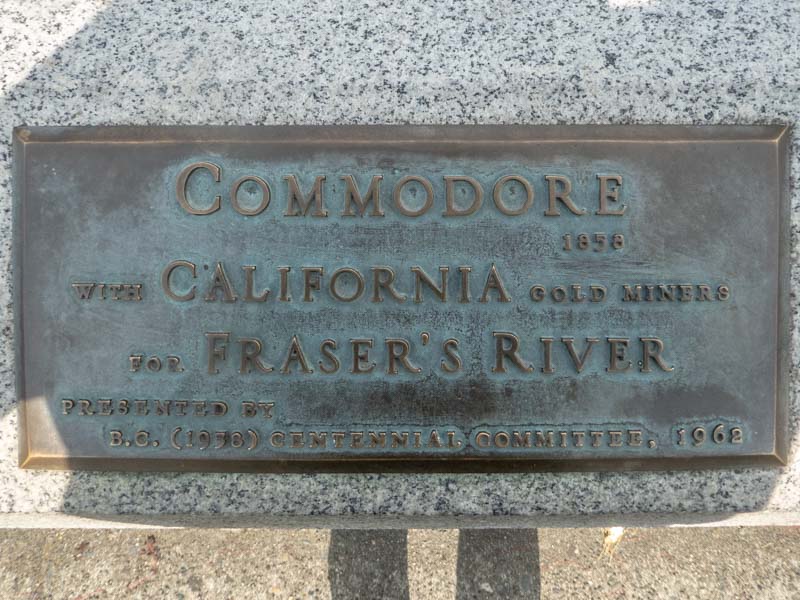

I have no information about Stanley Fraser Sr. Please contact me if you do.


Plaque Wording:
In this house in the years 1885 - 1939 there was Henryk Frist's Polish painters salon, promoter of Polish painting and art....


Plaque Wording:
{top left}The final Frost Fair was held in 1814. The construction of a new London Bridge with broader spans for shipping improved the flow of the tides. The Thames no longer froze over and the Frost Fairs were no more.
{top right}Sleds, sliding with skeetes, a bull-baiting, horse and coach races, puppet plays and interludes, cooks, tippling, and other lewd places ... a Bacchanalian triumph or carnival on the water.
{bottom left}Tankards of beer, ale, brandy, a dish of famous new-made coffee, tea or chocolate, Roast beef, plum cake; hot codlins, pancakes, duck, goose and sack, Rabbit, capon, Turkey and wooden Jack.
{bottom right}After the construction of London Bridge in 1468 its narrow arches slowed the Thames sufficiently for the water to freeze over in severe winters. During the freeze of 1664 the people of London took to the ice for what became the first ever Frost Fair.
{top right}Sleds, sliding with skeetes, a bull-baiting, horse and coach races, puppet plays and interludes, cooks, tippling, and other lewd places ... a Bacchanalian triumph or carnival on the water.
{bottom left}Tankards of beer, ale, brandy, a dish of famous new-made coffee, tea or chocolate, Roast beef, plum cake; hot codlins, pancakes, duck, goose and sack, Rabbit, capon, Turkey and wooden Jack.
{bottom right}After the construction of London Bridge in 1468 its narrow arches slowed the Thames sufficiently for the water to freeze over in severe winters. During the freeze of 1664 the people of London took to the ice for what became the first ever Frost Fair.


I have no information about Sue Garner. Please contact me if you do.
Plaque Wording:
In memory of Staff Nurse Sue Garner (1959
- 2001) from her friends and colleagues in the Clinical Neurophysiology Department, the National Hospital.


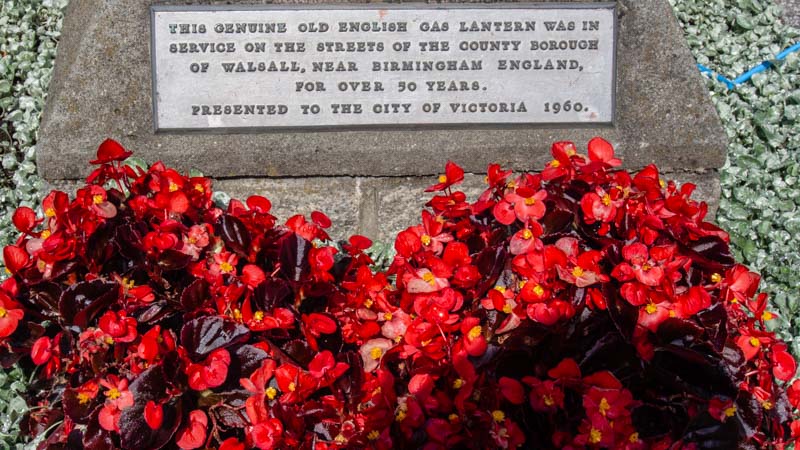


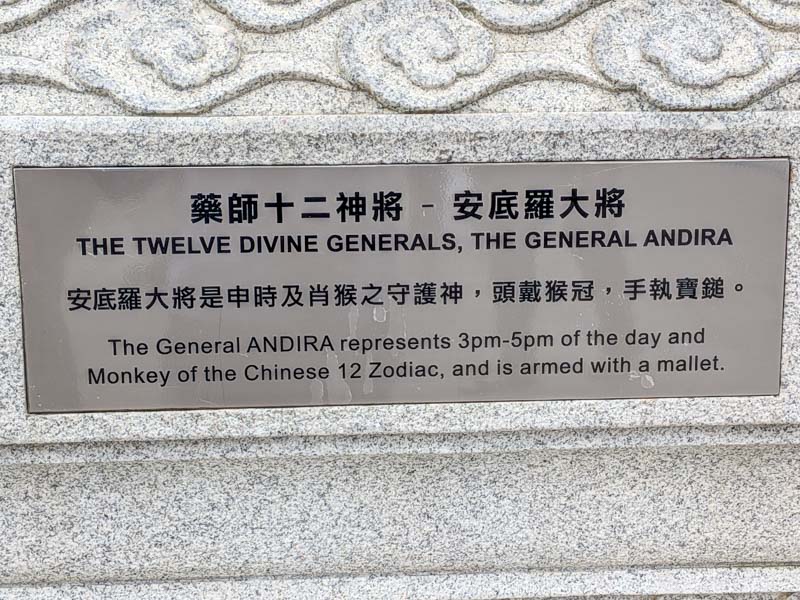
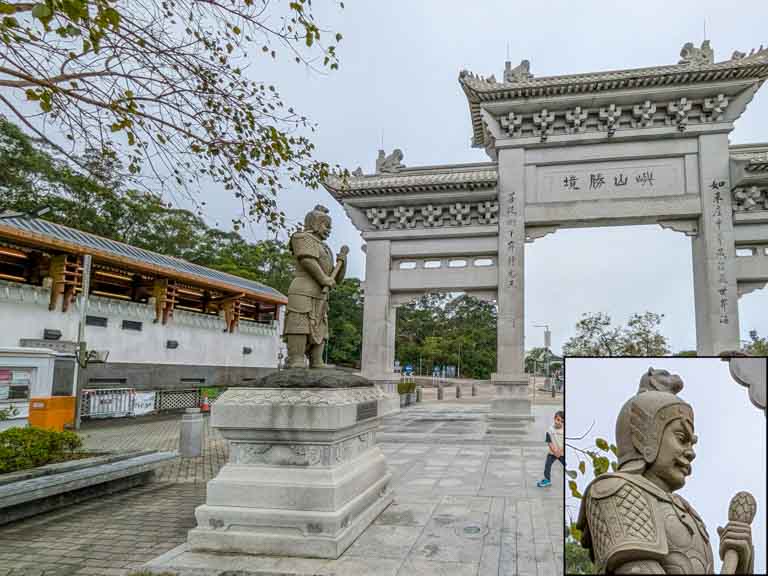




Plaque Wording:
Vestry of St Pancras
This stone was fixed on the 11th day of August 1877 by The Right Honourable Gerard James Noel PC, MP., First Commissioner of Her Majesty's Works and Public Buildings at whose suggestion a part of the royal demesne Regents Park was given up for this great public improvement, assisted by William Thornton, George Alfred Nodes - Churchwardens James Hoppey - Chair Thomas Bentley Westacott - Deputy Chairman of the General Purposes Committee upon the direction of which committee the plans of this bridge were designed and prepared for the vestry of St Pancras by William Booth Scott, member of the Institution of Civil Engineers - Engineer Kirk & Randall - Contractors Thomas Eccleston Gibb - Vestry Clerk
This stone was fixed on the 11th day of August 1877 by The Right Honourable Gerard James Noel PC, MP., First Commissioner of Her Majesty's Works and Public Buildings at whose suggestion a part of the royal demesne Regents Park was given up for this great public improvement, assisted by William Thornton, George Alfred Nodes - Churchwardens James Hoppey - Chair Thomas Bentley Westacott - Deputy Chairman of the General Purposes Committee upon the direction of which committee the plans of this bridge were designed and prepared for the vestry of St Pancras by William Booth Scott, member of the Institution of Civil Engineers - Engineer Kirk & Randall - Contractors Thomas Eccleston Gibb - Vestry Clerk


Plaque Wording:
Vestry of St Pancras
Gloucester Gate Bridge and Approach Road
This bridge and approach road was opened for public traffic on the 3rd day of August 1878 by Field Marshal, HRH the Duke of Cambridge, GCB, KP, GCS, GCNB, Colonel of the Grenadier Guards, Colonel in Chief of the Royal Artillery, Royal Engineers, 17th Lancers, 60th Rifles and 77th Regiment. Commanding in Chief the Forces. George Alfred Nodes, Richard Kent - Churchwardens Frederick George Baker, Chairman, James Balfour, Deputy Chairman - of the Highways and Public Works Committee
Gloucester Gate Bridge and Approach Road
This bridge and approach road was opened for public traffic on the 3rd day of August 1878 by Field Marshal, HRH the Duke of Cambridge, GCB, KP, GCS, GCNB, Colonel of the Grenadier Guards, Colonel in Chief of the Royal Artillery, Royal Engineers, 17th Lancers, 60th Rifles and 77th Regiment. Commanding in Chief the Forces. George Alfred Nodes, Richard Kent - Churchwardens Frederick George Baker, Chairman, James Balfour, Deputy Chairman - of the Highways and Public Works Committee


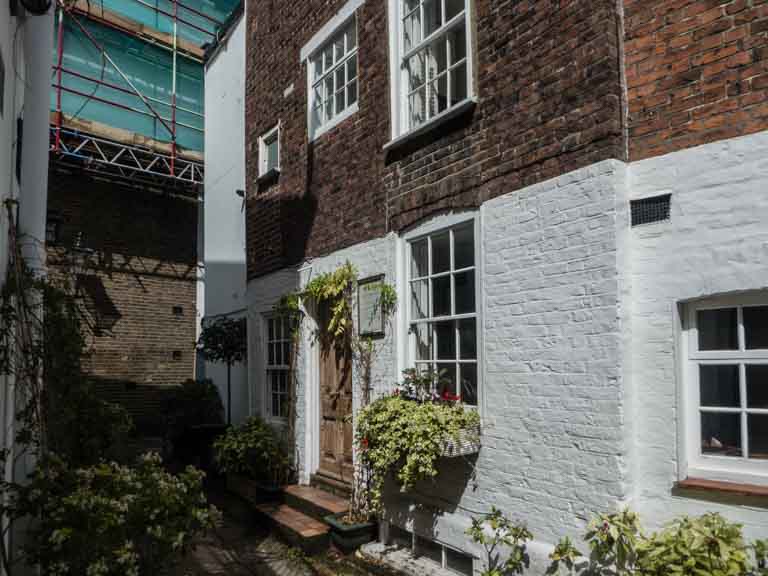
Plaque Wording:
Golden Yard is derived from "Goulding" the family who dwelt in the Yard for about 200 years.
The first copyhold grant of 20 Rods was made by the then Lord of the Manor of Hamstede Sir Robert Wroth to Henerye Gouldingy "by the Rod at the Will of the Lord according to the custom of the said Manor by Fealty Suit of Court" in the last quarter of the 16th Century.
The area was then largely a disused sand pit, the sand no doubt used in the expansion of Elizabethan London.
Its upper boundary was along the east side of the now Holly Mount and its lower boundary along the then Cloth Hill, later called the High Road and finally Heath Street. The first cottage in which the Gouldings lived was No. 6 the yearly rental value of which was assessed in 1646 at £3.
Henry Goulding was married at the Parish Church in 1574 to Agne Bolden and they had at least 6 children, the 3rd son Edward married at the age of 12 to a local girl Elizabeth Lacraft in 1601, at which time the population of Hampstead was under 200.
Other residences were erected here by the Goulding family in the late 17th and early 18th centuries, by which time this was called "Goulding's Yard." An entry in 1758 gives the names of those entitled to use "the said Pump in the yard for water, the common necessary house and watercourses".
The properties were sold in 1779 by Sarah Goulding (then a Mrs Brown) to John Bitton, upon whose death in 1822 and as directed in his Will the small estate was sold separately, his beneficiary living at that time in Benham Place close by.
Compiled from the Manorial and other Rolls, Parish Church Register, old Title Deeds and Maps, 1960, E.R. Levett, 6 Golden Yard.
The first copyhold grant of 20 Rods was made by the then Lord of the Manor of Hamstede Sir Robert Wroth to Henerye Gouldingy "by the Rod at the Will of the Lord according to the custom of the said Manor by Fealty Suit of Court" in the last quarter of the 16th Century.
The area was then largely a disused sand pit, the sand no doubt used in the expansion of Elizabethan London.
Its upper boundary was along the east side of the now Holly Mount and its lower boundary along the then Cloth Hill, later called the High Road and finally Heath Street. The first cottage in which the Gouldings lived was No. 6 the yearly rental value of which was assessed in 1646 at £3.
Henry Goulding was married at the Parish Church in 1574 to Agne Bolden and they had at least 6 children, the 3rd son Edward married at the age of 12 to a local girl Elizabeth Lacraft in 1601, at which time the population of Hampstead was under 200.
Other residences were erected here by the Goulding family in the late 17th and early 18th centuries, by which time this was called "Goulding's Yard." An entry in 1758 gives the names of those entitled to use "the said Pump in the yard for water, the common necessary house and watercourses".
The properties were sold in 1779 by Sarah Goulding (then a Mrs Brown) to John Bitton, upon whose death in 1822 and as directed in his Will the small estate was sold separately, his beneficiary living at that time in Benham Place close by.
Compiled from the Manorial and other Rolls, Parish Church Register, old Title Deeds and Maps, 1960, E.R. Levett, 6 Golden Yard.
.jpg "Sponsor: Independent one-offs (id: 1814)")
_ls.jpg)


Plaque Wording:
John Michael Goldman 1938-2013 Professor Emeritus, Imperial College
The Catherine Lewis Centre was conceived by and built under the leadership of Professor John Goldman, who worked for over 40 years at the Hammersmith Hospital and dedicated his life to curing patients with chronic myeloid leukaemia and other haematological disorders. His legacy continues through this building, his colleagues and the thousands of patients who are alive today as a result of his work.
The Catherine Lewis Centre was conceived by and built under the leadership of Professor John Goldman, who worked for over 40 years at the Hammersmith Hospital and dedicated his life to curing patients with chronic myeloid leukaemia and other haematological disorders. His legacy continues through this building, his colleagues and the thousands of patients who are alive today as a result of his work.


Plaque Wording:
Sir Daniel Gooch BARI DL JP 1816-1889 Cable laying and locomotive engineer lived in Clewer Park from 1839. These houses have his armorial bearings. Supt. Great Western Railway at 21 and Chairman 1886. Engineer SS Great Eastern laying the first Atlantic cables 1865 & 1866. Buried in Clewer.


.jpg "Sponsor: Independent one-offs (id: 5507)")
_ls.jpg)


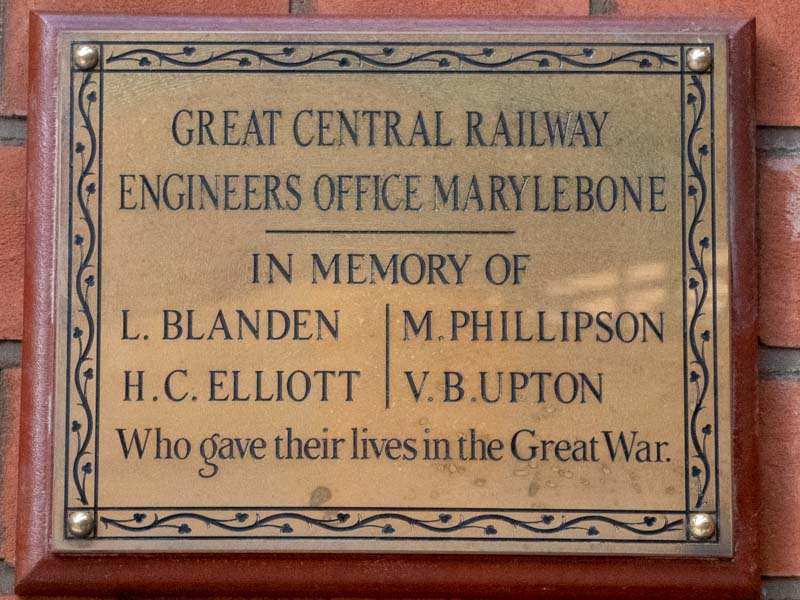


Plaque Wording:
The George Green Association
This clock was presented by members of the association, pupils and other friends of the school as a Centennial Memorial and in remembrance of the founder George Green
This clock was presented by members of the association, pupils and other friends of the school as a Centennial Memorial and in remembrance of the founder George Green


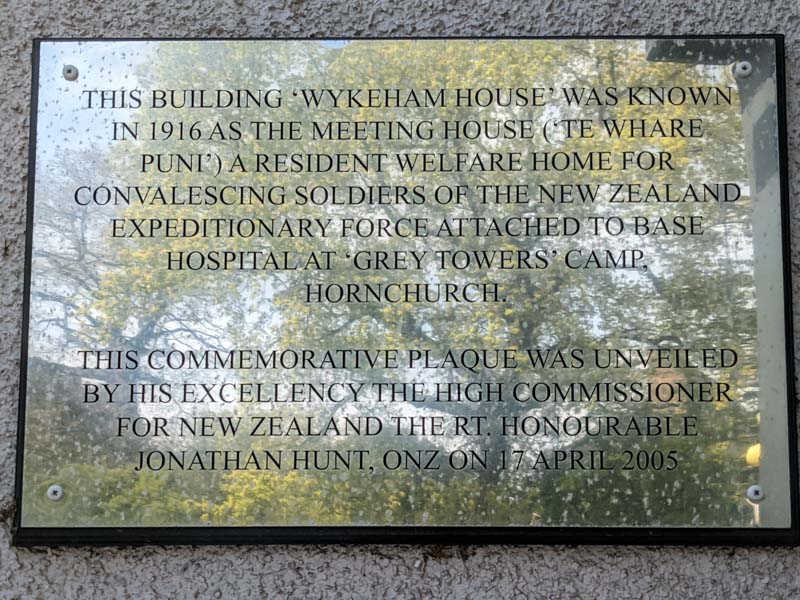
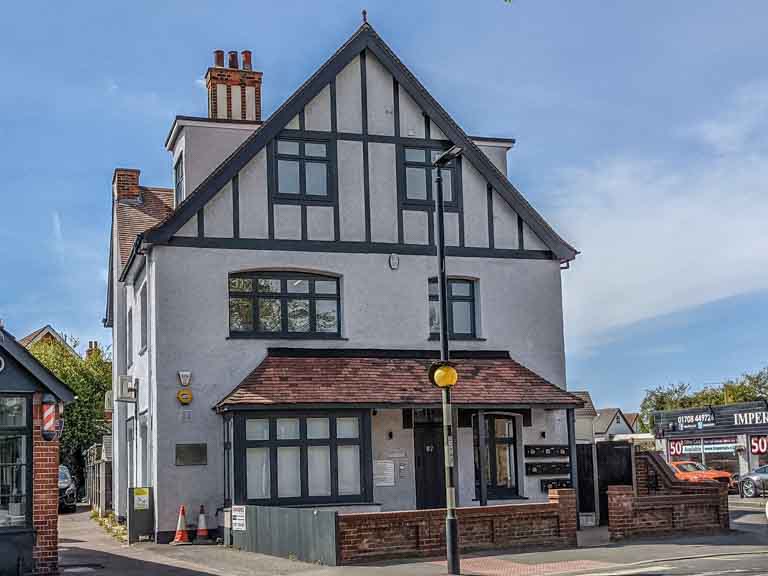


Plaque Wording:
In this place within the defensive walls of Krakow was the Grodka Gate
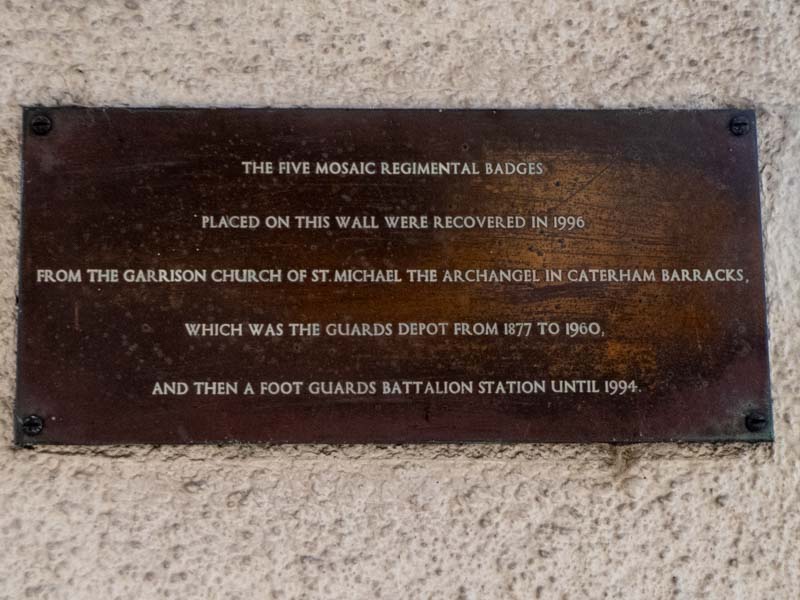


Plaque Wording:
Hampden Gurney Schools
Erected A. D. 1863 in memory of John Hampden Gurney, MA, Rector of St Mary's, Marylebone.


Plaque Wording:
In gratitude to Crystal Hale, tireless campaigner & founder of The Islington Boat Club. The club has provided safe boating for thousands of youngsters on City Road Basin and now celebrates its 25th anniversary.
1970 - 1995


No long-shot available (yet)


I have no information about Harbor House Key West. Please contact me if you do.
.jpg "Sponsor: Independent one-offs (id: 3335)")
_ls.jpg)


I have no information about Harrow Masons War Memorial. Please contact me if you do.


I have no information about Hawaiian Warrior Women Memorial. Please contact me if you do.


Plaque Wording:
Mary Seacole Trust: This plaque is to honour those healthcare workers who have dedicated themselves to aiding others in times of war, conflict and catastrophe throughout history
8th September 2017
8th September 2017


Plaque Wording:
Ernies BeachThis stretch of the river foreshore is named afer local resident and community activist John Hearn (known as Ernie). This is in recognition of his work gaining appreciation of the Thames as an asset and amenity for London...

I have no information about George and William Heater. Please contact me if you do.


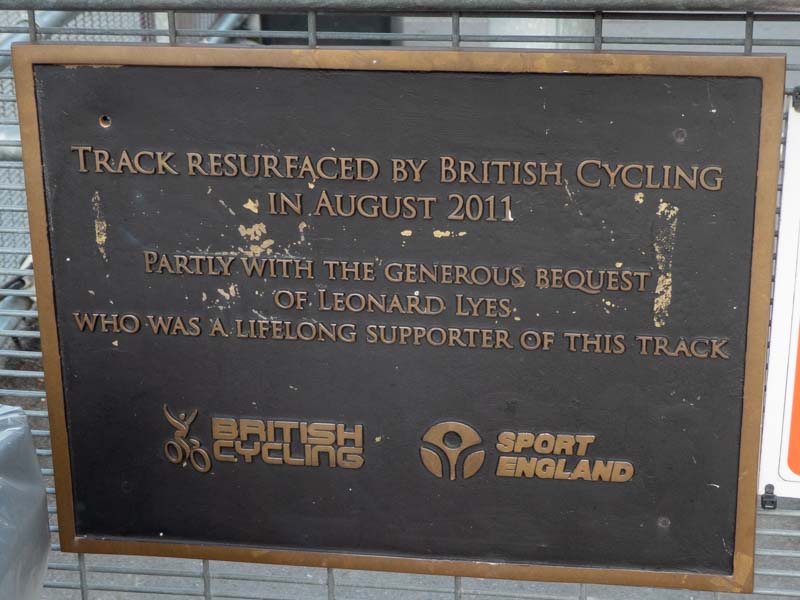


Plaque Wording:
These houses for eight aged women were erected by Sarah Hibbert and Mary Ann Hibbert in grateful remembrance of their father William Hibbert Esq long an inhabitant of Clapham anno domini 1859.


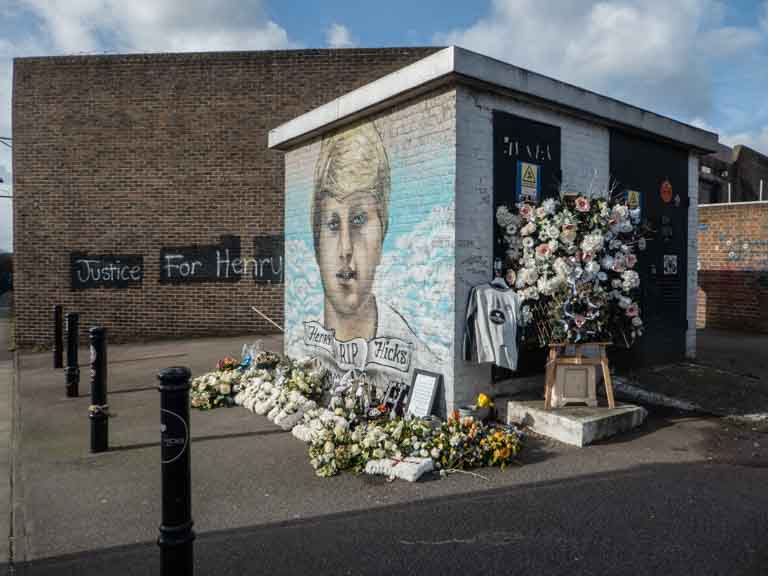


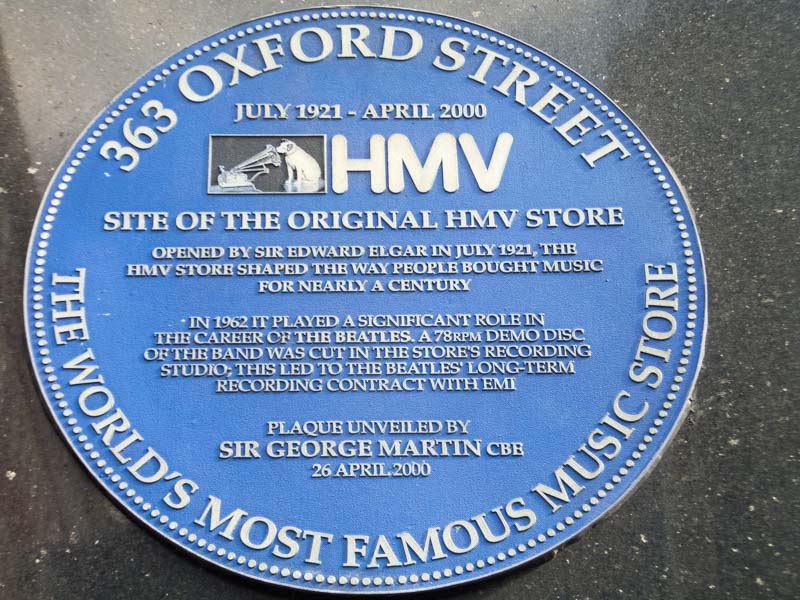
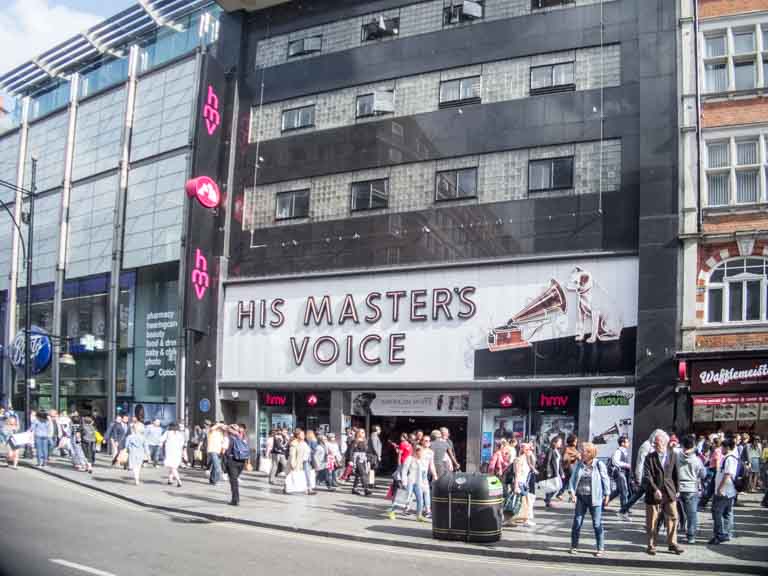


Plaque Wording:
This court is named after Sir John Cam Hobhouse, Bt. PC, GCB, 1786 -1869, created Baron Broughton 1851, who was Member of Parliament for Westminster from 1820 to 1833, for Nottingham from 1834 to 1847 & for Harwich from 1848 to 1851. He held several important offices of state, including those of Secretary of State for War and Chief Secretary for Ireland. In 1824 Sir John spoke at the first dinner of the Society of British Artists, whose galleries on Whitcomb Street have been kept and restored. He was appointed First Commissioner of Woods & Forests (the then title of the First Crown Estate Commissioner) in 1834. His close connection with the Crown Estate, with the City of Westminster & with the Society of British Artists is commemorated by the naming of this Court after him.


Plaque Wording:
At this place New Years Day 1881 were spoken these deathless words "You have been in Afghanistan, I perceive" by Mr. Sherlock Holmes in greeting to John H. Watson, M.D. at their first meeting.
The Baker Street Irregulars - 1953 by the amateur mendicants at the caucus club.
The Baker Street Irregulars - 1953 by the amateur mendicants at the caucus club.


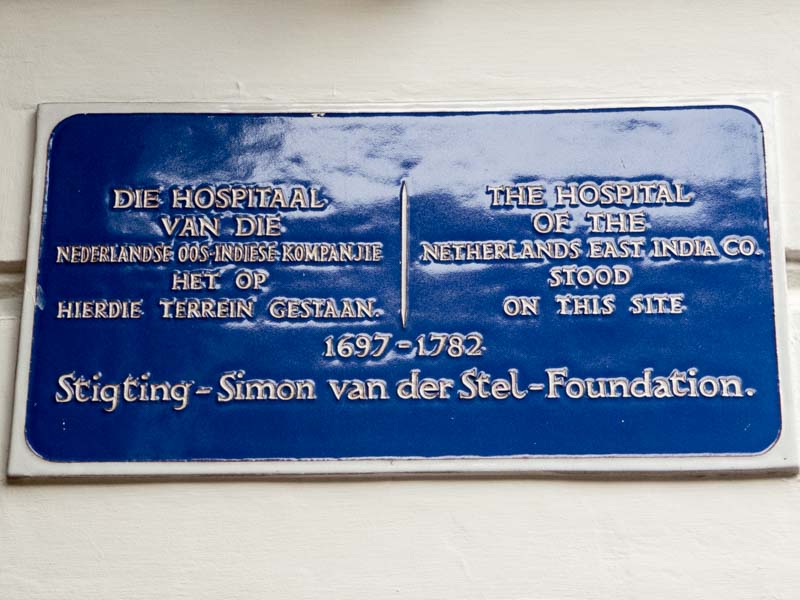
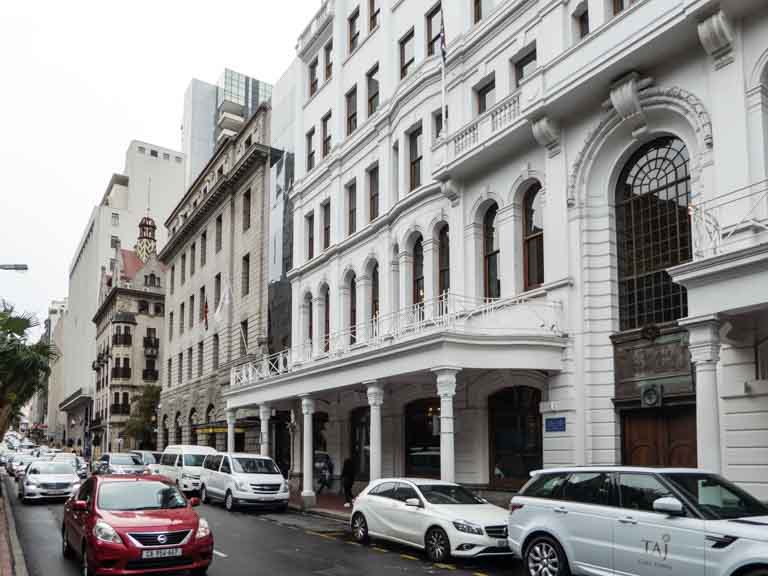


Plaque Wording:
The house where I was born in the South American Pampas... W.H.Hudson. Hudson's Friends Society of Quilmes, near Buenos Aires, where the great writer was born on August 4th 1841, and where he spent his youth, has placed this bronze tablet at 40 Saint Luke's Road, London, the house in which Hudson lived his last years, and died on August 18th, 1922. The plaque was erected by Hudson's Friends Society of Quilmes in 1938 and adopted by the London County Council in the same year.


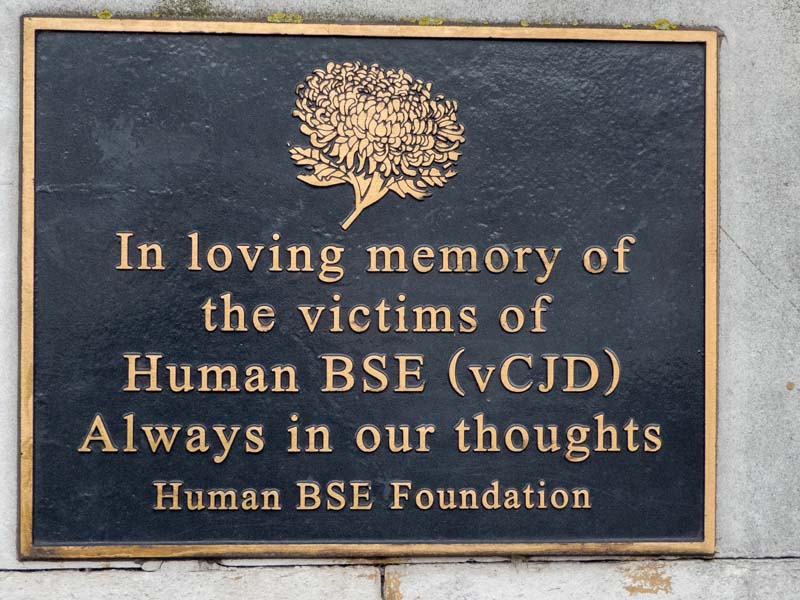
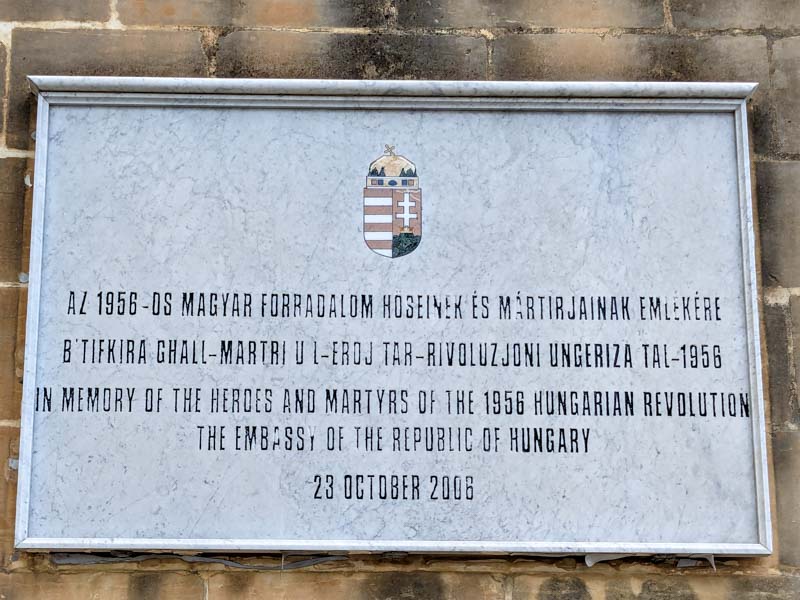


I have no information about Rick Hunter. Please contact me if you do.


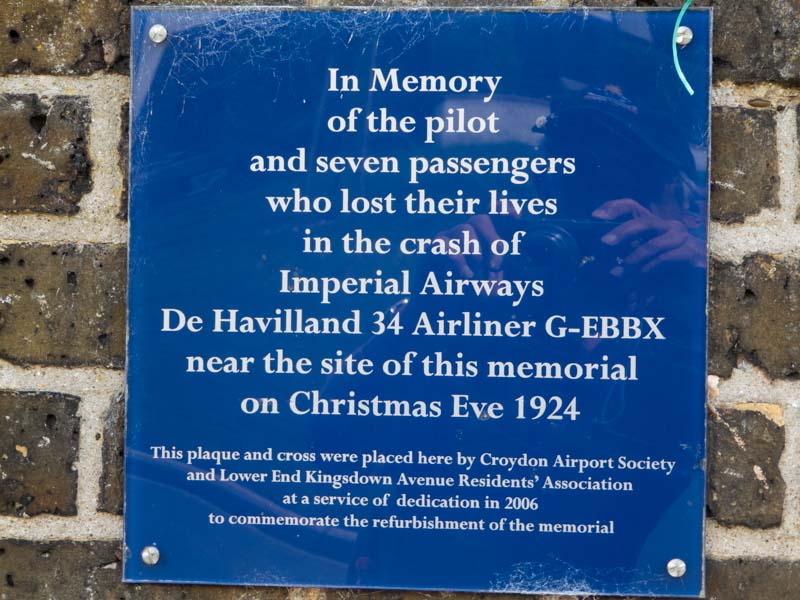


.jpg "Sponsor: Independent one-offs (id: 3339)")
_ls.jpg)


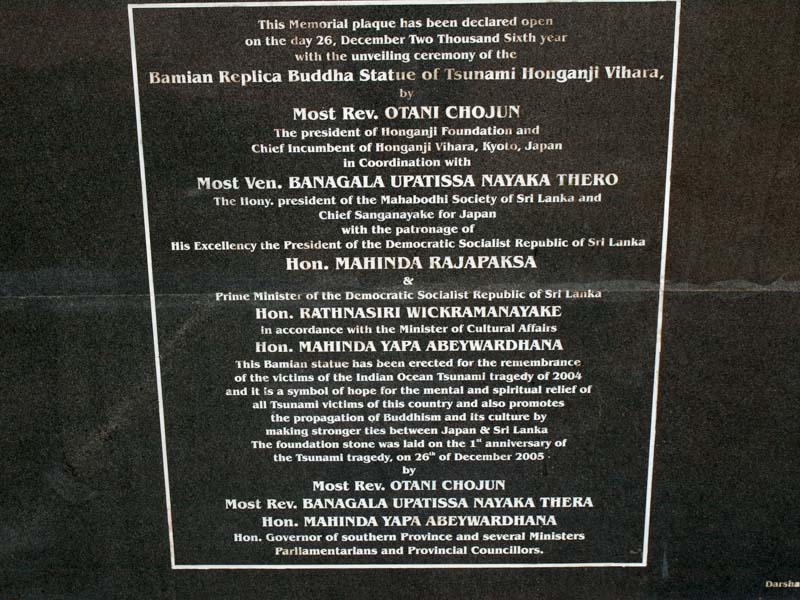


Plaque Wording:
{the small plaque at the bottom} In memory of our comrades of the Inns of Court Regt who gave their lives in the 1939-45 war



Plaque Wording:
Isandhlwana 22nd January 1879
Around this hill a British force under the immediate command of Lieut. Col. A.W. Durnford and Brevet Lieut. Col. H.B. Pulleine was annihilated by a zulu impy of between 20,000 and 25,000 under the command of Ntshingwaye Ka Mahole Khoza. 53 officers, 806 non-commissioned officers and men, as also 471 native troops and non-combatants lost their lives. This led directly to the heroic defence of Rorke's Drift which lies ten miles to the west.
Erected by the Historical Monuments Commission.
Around this hill a British force under the immediate command of Lieut. Col. A.W. Durnford and Brevet Lieut. Col. H.B. Pulleine was annihilated by a zulu impy of between 20,000 and 25,000 under the command of Ntshingwaye Ka Mahole Khoza. 53 officers, 806 non-commissioned officers and men, as also 471 native troops and non-combatants lost their lives. This led directly to the heroic defence of Rorke's Drift which lies ten miles to the west.
Erected by the Historical Monuments Commission.
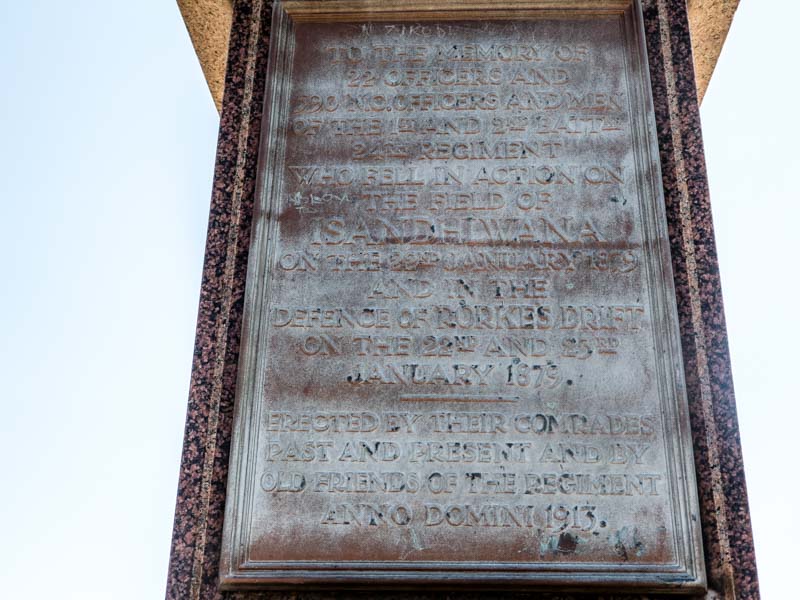

Plaque Wording:
To the memory of 22 officers and 590 N.C. officers and men of the 1st and 2nd battalions 24th regiment who fell in action on the field of Isandhlwana on the 22nd January 1879 and in the defence of Rorkes Drift on the 22nd and 23rd January 1879.
Erected by their comrades past and present and by old friends of the regiment. Anno Domini 1913.
Erected by their comrades past and present and by old friends of the regiment. Anno Domini 1913.


Plaque Wording:
The Rorke's of Rorke's Drift
Rorke's Drift was named after James Rorke who settled here with his wife Sarah in 1849 to farm and trade. During the 26 years James spent here until his death in 1875, he became actively involved within the community. He was the Government Border Agent, Justice of the Peace and First Lieutenant in the Buffalo Border Guard.
He became well known amongst the Zulu. They called this place "Kwa Jimu" (Jim's Place). Rorke broke down the steep banks of the Mzinyathi (Buffalo) River, where it was easiest to cross, to improve travel between Natal and Zululand.
This became known as Rorke's Drift.
Rorke's Drift was named after James Rorke who settled here with his wife Sarah in 1849 to farm and trade. During the 26 years James spent here until his death in 1875, he became actively involved within the community. He was the Government Border Agent, Justice of the Peace and First Lieutenant in the Buffalo Border Guard.
He became well known amongst the Zulu. They called this place "Kwa Jimu" (Jim's Place). Rorke broke down the steep banks of the Mzinyathi (Buffalo) River, where it was easiest to cross, to improve travel between Natal and Zululand.
This became known as Rorke's Drift.

No long-shot available (yet)


I have no information about Morris Jesky. Please contact me if you do.


Plaque Wording:
Place of meditation upon the martyrdom of 65 thousand Polish citizens of Jewish nationality from Kraków and its environs killed by the Nazis during World War II.


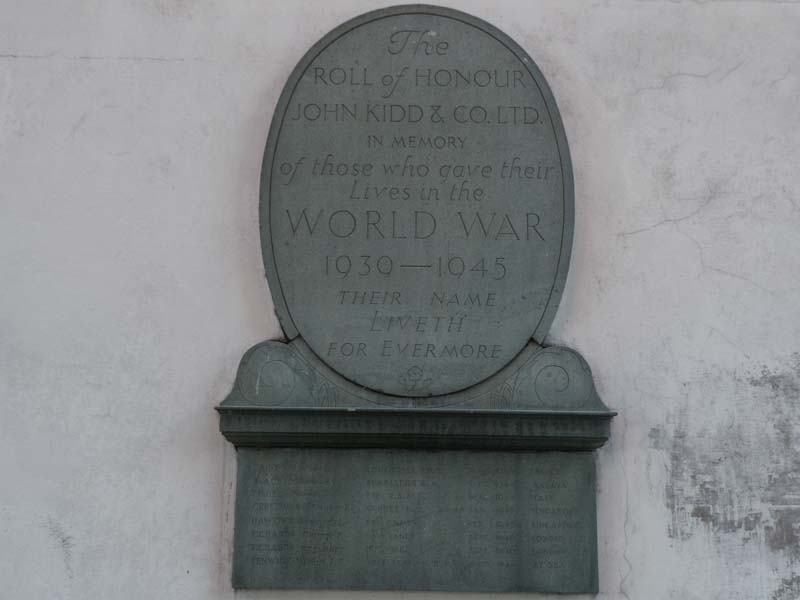

Plaque Wording:
The roll of honour John Kidd & Co Ltd.
In memory of those who gave their lives in the World War 1939 - 1945 their name liveth for evermore.
Baines Alfred J Lieut Essex Reg May 1940 France
Black William E Bombadier RA Sept 1944 Malaya
Fisher Joseph Pte RAMC Dec 1944 Italy
Greenaway Stanley F Gunner RA Jan 1943 Singapore
Hawkins Edward L Pte Cambs Feb 1942 Singapore
Richards George F Caretaker Sept 1940 London
Richards Ann Mary his wife Sept 1940 London
Tenwick William J E Able Seaman RN June 1944 At Sea
Baines Alfred J Lieut Essex Reg May 1940 France
Black William E Bombadier RA Sept 1944 Malaya
Fisher Joseph Pte RAMC Dec 1944 Italy
Greenaway Stanley F Gunner RA Jan 1943 Singapore
Hawkins Edward L Pte Cambs Feb 1942 Singapore
Richards George F Caretaker Sept 1940 London
Richards Ann Mary his wife Sept 1940 London
Tenwick William J E Able Seaman RN June 1944 At Sea


.jpg "Sponsor: Independent one-offs (id: 1570)")
_ls.jpg)


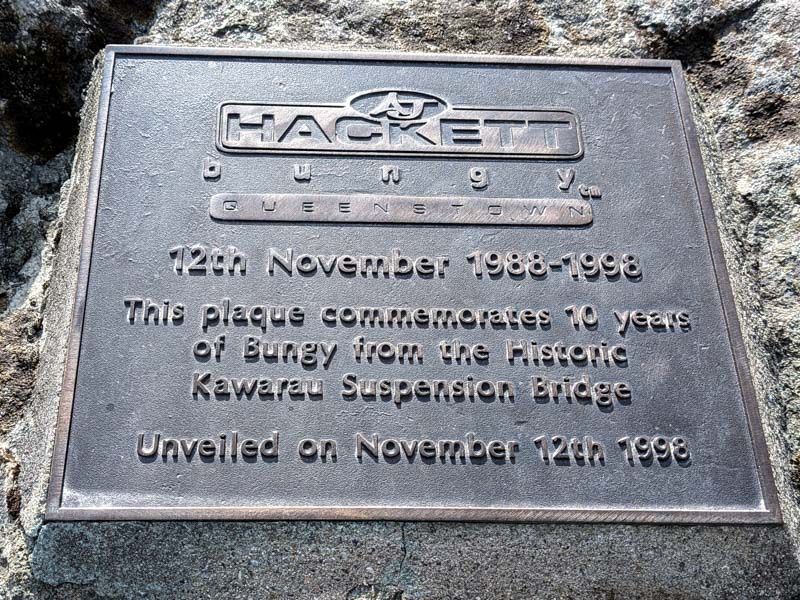


Plaque Wording:
Jan Karski's bench designed by Karol Bbadyna created on the initiative of Chris Humnicki and rotary club Kraków....

Plaque Wording:
Kassiesbaai
A fishing community had probably already been settled here on crown land by 1820, five years after the shipwreck of the Arniston. After passing into the successive ownership of the Swart and Pratt families, the settlement and ten morgen of land were transferred to the Waenhuiskrans Fishermen's Union in 1937. In 1970, when threatened by the Group Areas Act, the village was saved and subsequently restored by the Preserve Arniston Committee. Kassiesbaai is one of the few remaining traditional fishing villages in the vernacular style once prevalent in the South Western Cape.
A fishing community had probably already been settled here on crown land by 1820, five years after the shipwreck of the Arniston. After passing into the successive ownership of the Swart and Pratt families, the settlement and ten morgen of land were transferred to the Waenhuiskrans Fishermen's Union in 1937. In 1970, when threatened by the Group Areas Act, the village was saved and subsequently restored by the Preserve Arniston Committee. Kassiesbaai is one of the few remaining traditional fishing villages in the vernacular style once prevalent in the South Western Cape.


 - Espinosa, Edouard.jpg "Sponsor: Independent one-offs (id: 2931)")
 - Espinosa, Edouard_ls.jpg)


Plaque Wording:
On November 22nd 1963, John Fitzgerald Kennedy, thirty-fifth president of the United States, visited Dallas. A presidential parade traveled north on Houston Street to Elm Street and west on Elm Street. As the parade continued on Elm Street at 12:30 p.m., rifle shots wounded the President and Texas Governor John Connally.
Findings of the Warren Commission indicated that the rifle shots were fired from a sixth floor window near the southeast corner of the Texas School Book Depository building, Elm and Houston, a block north of this marker.
President Kennedy expired at Parkland Memorial Hospital at 1:00 p.m. The John Fitzgerald Kennedy Memorial Plaza is nearby, bounded by Main, Record, Market and Commerce Streets.
Findings of the Warren Commission indicated that the rifle shots were fired from a sixth floor window near the southeast corner of the Texas School Book Depository building, Elm and Houston, a block north of this marker.
President Kennedy expired at Parkland Memorial Hospital at 1:00 p.m. The John Fitzgerald Kennedy Memorial Plaza is nearby, bounded by Main, Record, Market and Commerce Streets.


I have no information about Kensington Sorting Office War Memorial. Please contact me if you do.


Plaque Wording:
{left}God Bless America. City of Key West, Florida dedicated Sept 10 1983 This monument establishes southernmost point of continental U.S.A. designed as a num buoy shape & color channel marker.....
{right}October 10 1993 A.D. In honor of the generosity of the people of the United States of America to the people of Cuba. This memorial is dedicated in honor of the thousands of Cubans that have lost their lives at sea looking for freedom and social justice in this great melting pot, America, the leader in democracy.....
{right}October 10 1993 A.D. In honor of the generosity of the people of the United States of America to the people of Cuba. This memorial is dedicated in honor of the thousands of Cubans that have lost their lives at sea looking for freedom and social justice in this great melting pot, America, the leader in democracy.....


Plaque Wording:
Casimir King of Poland founder of the university. General university of studies of Kraków


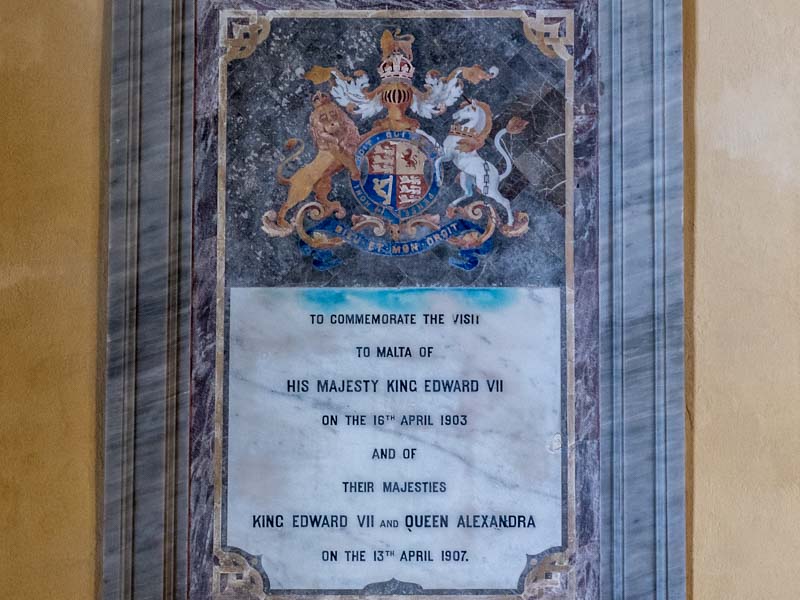


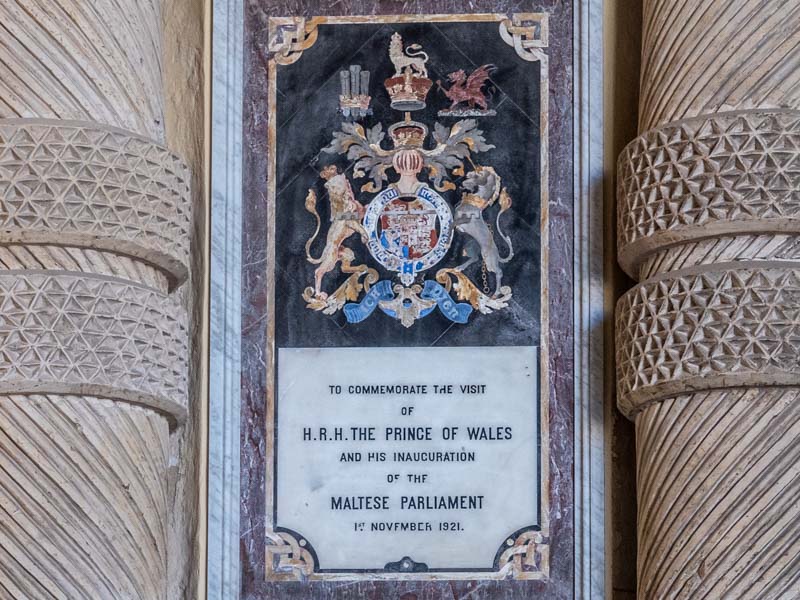


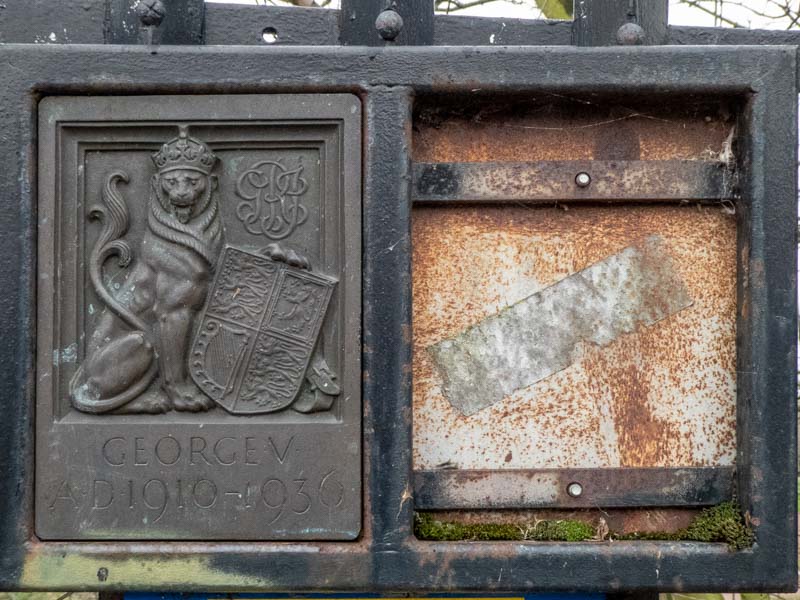


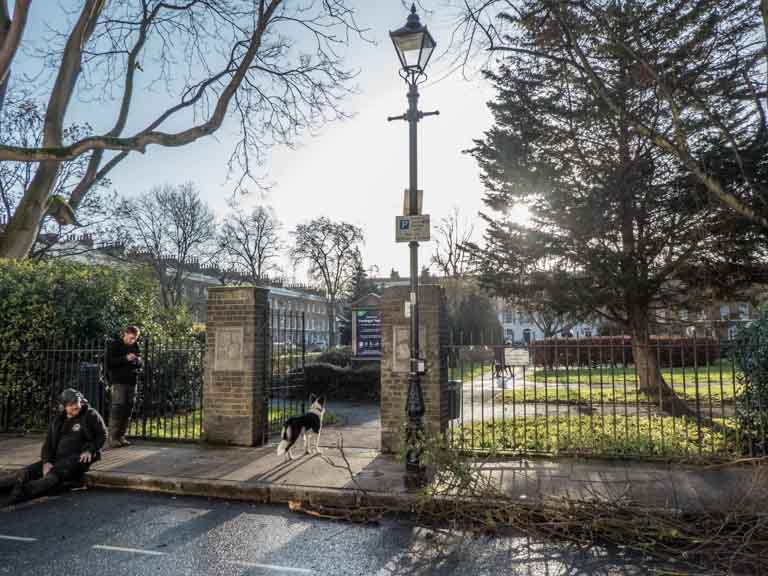
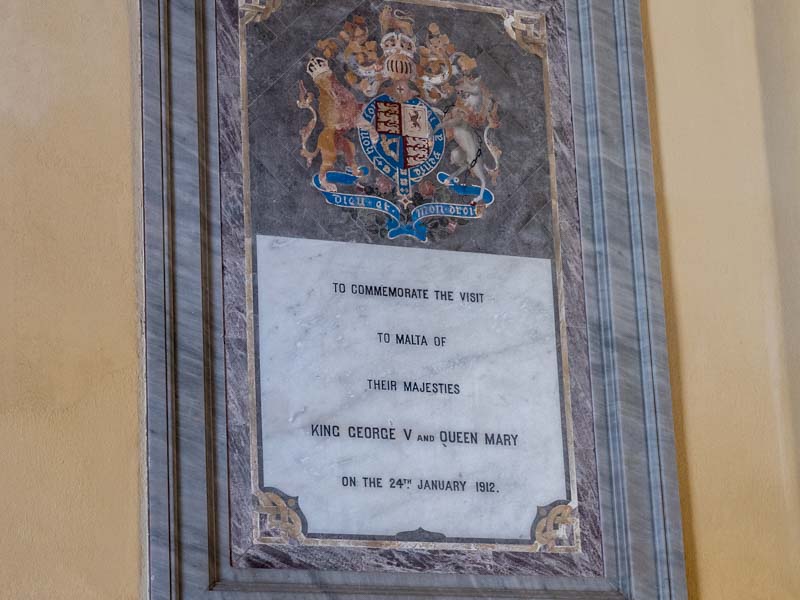


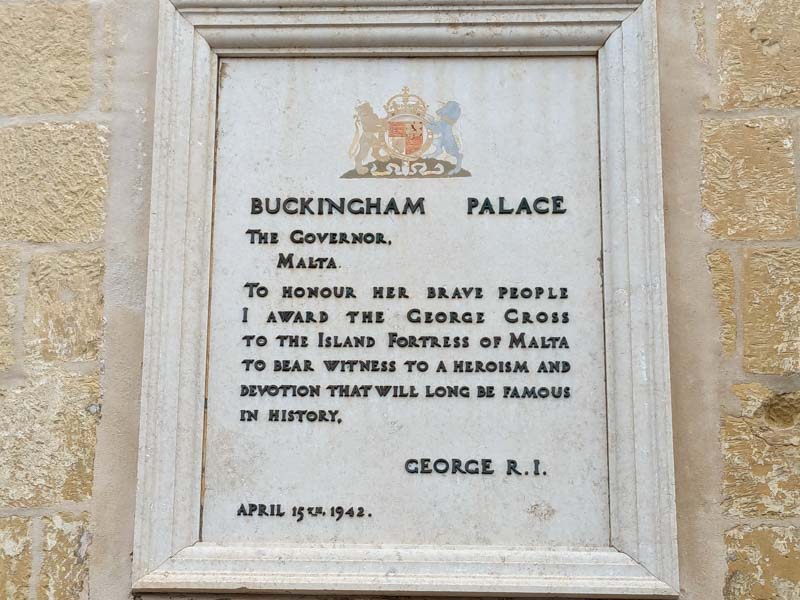


Plaque Wording:
This office was officially opened by His Majesty King Mswati III on the 6th of May 1995 on the occasion of the commemoration of the victory in Europe

Plaque Wording:
1400-2014. To Vladislav King of Poland Grand Duke of Lithuania Founder and Most Exceptional Benefactor of the University of Kraków.
Jagiellonian University
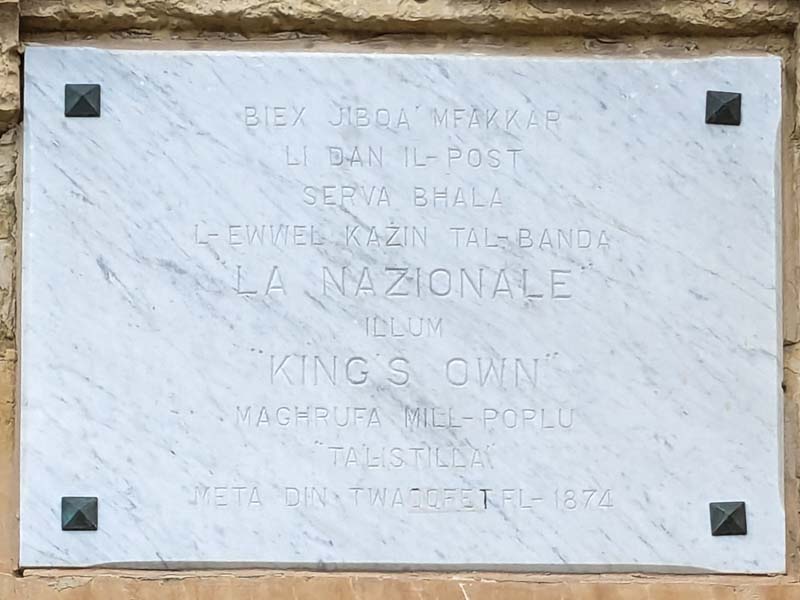

Plaque Wording:
TO JOIN MEAKKAR THAT THIS PLACE SERVED AS IS BAI LA NAZIONALE'S FIRST CLUB TODAY KING'S OWN
KNOWN BY THE PEOPLE
TALLISTED
WHEN IT HAPPENED IN 1874


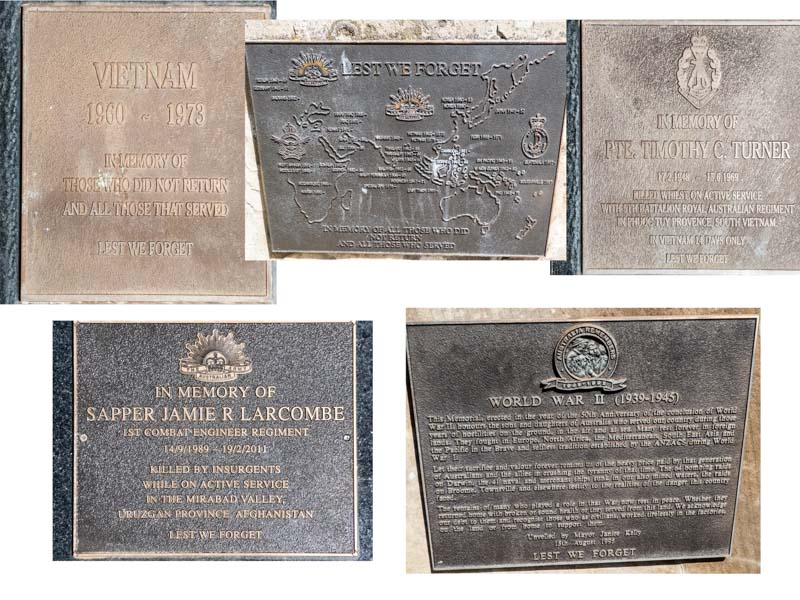


Plaque Wording:
George Strickland Kingston 1807-1880 Engineer, Architect & Statesman
G.S. Kingston arrived in SOuth AUstralia in 1836, employed as Deputy Surveyor to Colonel William Light and later became Government Architect. He was an early landowner at Lacepede Bay where on January the seventh 1858 he surveyed the first township, later named KINGSTON by Governor McDonnell. Five streets were named after his family: Charles, Cameron, Gough, Strickland and Holland. Kingston's name is also commemorated by the Hundred of Kingston, Mount Kingston and Kingston Park, a suburb of Adelaide. Despite his strong republican outlook he accepted a knighthood in 1870 for services to South Australia which included being a member of the Legislative Council and Speaker in the House of Assembly for many years. Locally he remained a generous benefactor.
G.S. Kingston arrived in SOuth AUstralia in 1836, employed as Deputy Surveyor to Colonel William Light and later became Government Architect. He was an early landowner at Lacepede Bay where on January the seventh 1858 he surveyed the first township, later named KINGSTON by Governor McDonnell. Five streets were named after his family: Charles, Cameron, Gough, Strickland and Holland. Kingston's name is also commemorated by the Hundred of Kingston, Mount Kingston and Kingston Park, a suburb of Adelaide. Despite his strong republican outlook he accepted a knighthood in 1870 for services to South Australia which included being a member of the Legislative Council and Speaker in the House of Assembly for many years. Locally he remained a generous benefactor.


Plaque Wording:
Kossuth 1802-1894
Here on March 30, 1852 Louis Kossuth Governor of Hungary Leader of the 1848 revolution Addressed the citizens of New Orleans
Hungarians of Louisiana, Arpadhon and Hungarians Worldwide 2002
Here on March 30, 1852 Louis Kossuth Governor of Hungary Leader of the 1848 revolution Addressed the citizens of New Orleans
Hungarians of Louisiana, Arpadhon and Hungarians Worldwide 2002


Plaque Wording:
The remains of the inscription indicate that this building was once a house of study for a Torah group who conducted Talmud lessons for the adult members of the Jewish community.
The inscription within the Shields of David indicates, according to the Jewish calendar, that the group was founded in 1810 (right) and that the building was renovated in 1912 (left).
In 1773 the building was damaged by fire, and was only renovated in the first half of the 19th century. During renovation it was converted into the group's learning centre for Talmudic studies, which previously operated from 6 Esther Street, in the Jewish quarter. The building was renovated again in 1912.
The acronym ח"ק stands for 'חברה קדושה' (Holy Society), a common name for voluntary organizations engaged in activities related to observing the Jewish commandments within the Jewish community.


Plaque Wording:
In this building the German occupiers set up in the years 1939 - 1944 the so-called Transitional Labour Camp where thousands of Poles were imprisoned and then sent to Germany. Here the prisoners were starved and tortured, and many of them were cruelly murdered. In eternal memory of the German violence, this plaque was placed by the Municipal Administration in 1946.


Plaque Wording:
To Jerzy Franciszek Kulczycki, Polish diplomat, soldier, and founder of the first Viennese coffeehouse in 1684. The commemoration of the 325th anniversary of this historical event


Plaque Wording:
THE ILLUSTRIOUS AND REVERED MONSIGNOR BISHOP OF MALTA BROTHER DON VINCENZO LABINI GRANTS 40 DAYS OF INDULGENCE TO THOSE WHO DEVOTELY RECITE A PATER AVE REQUIEM IN SUFFRAGE OF THE SOULS OF THE POOR DEAD
AS PER DECREE 5. OCTOBER 1789.


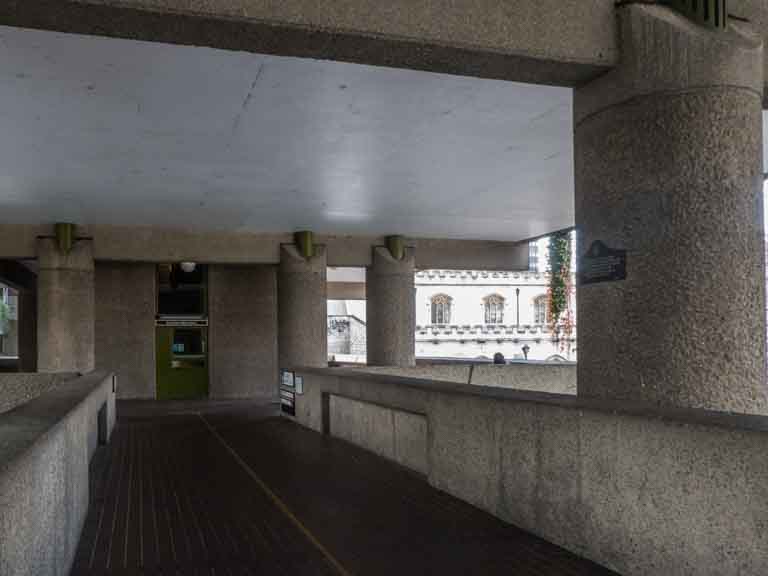


I have no information about Robert A Laing. Please contact me if you do.
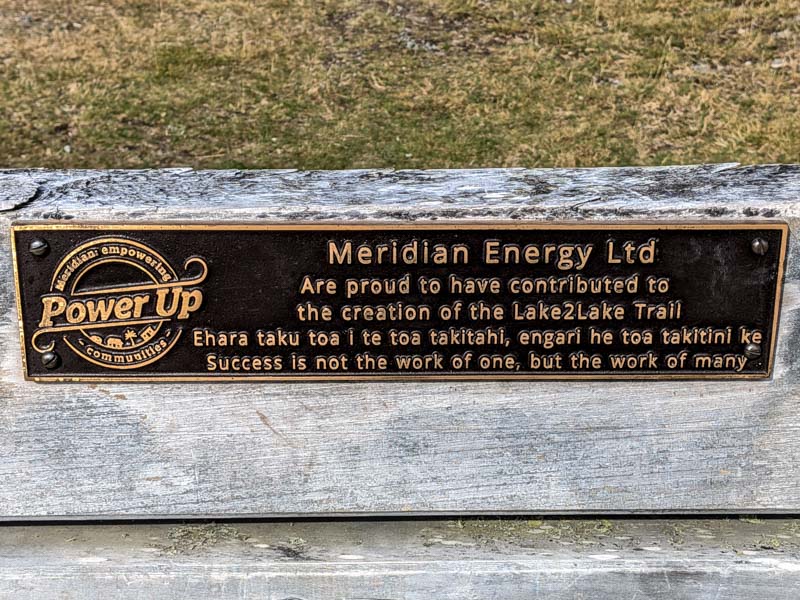
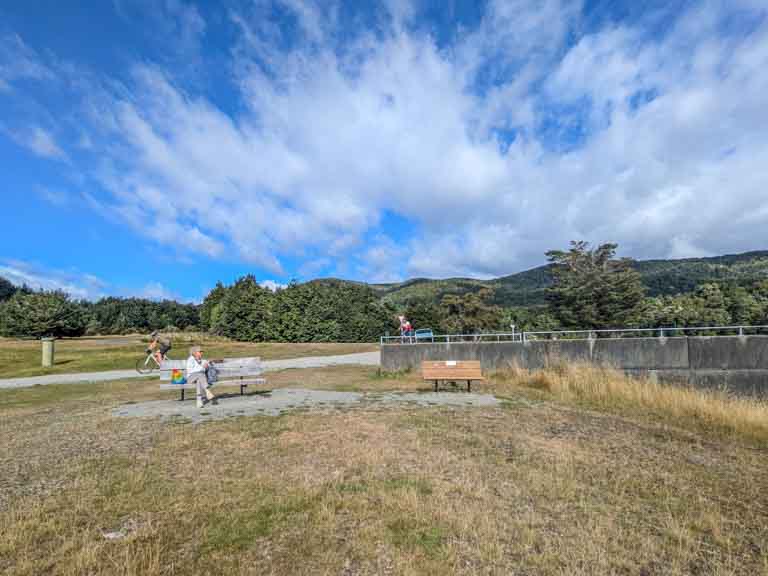



I have no information about John Laws. Please contact me if you do.


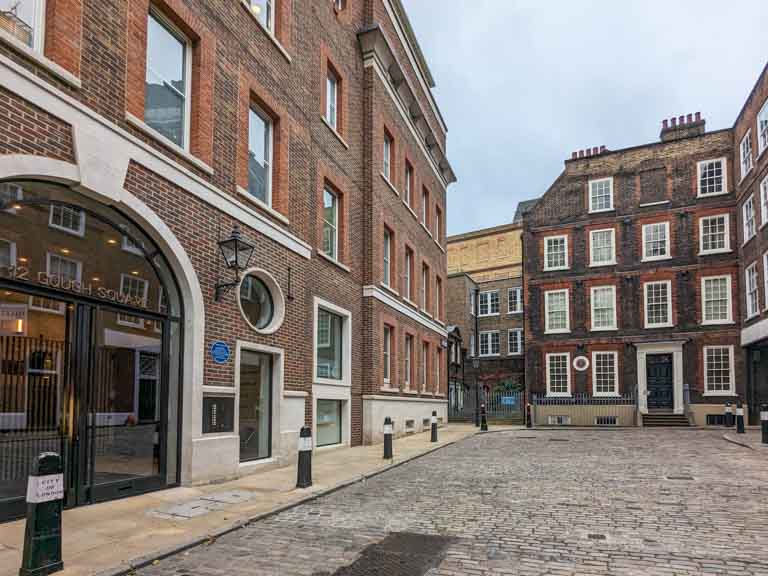


No long-shot available (yet)
.jpg "Sponsor: Independent one-offs (id: 1895)")
_ls.jpg)


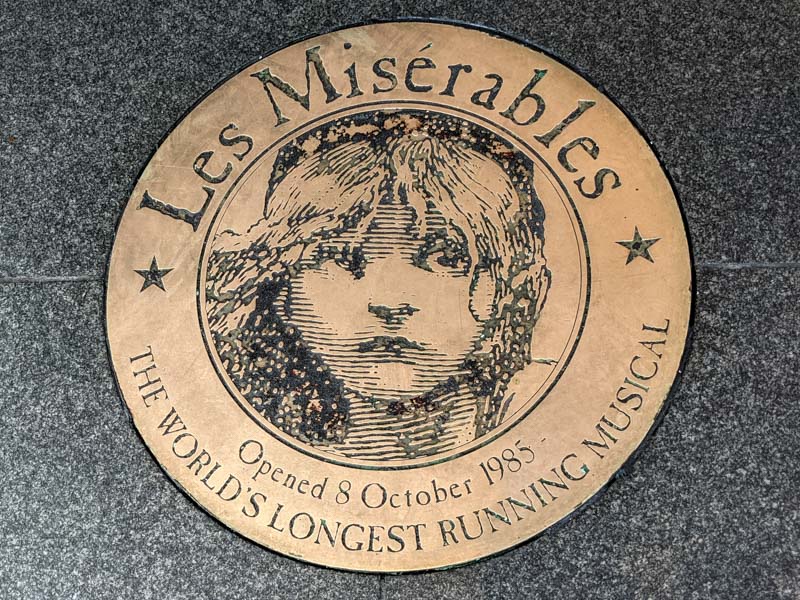


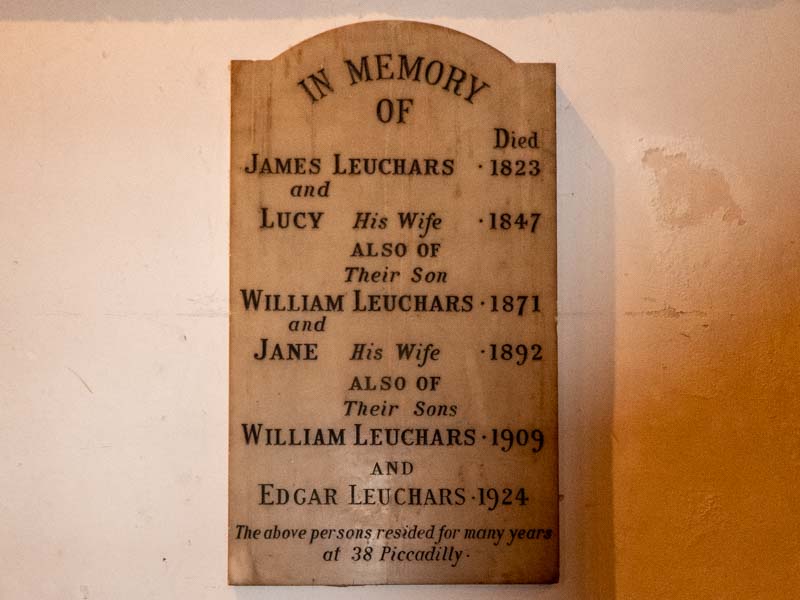


Plaque Wording:
Commodore Uriah Phillips Levy April 22, 1792 - March 22, 1862 Nissan 30, 5552 - Adar II 20, 5622 "I am an American, a sailor and a Jew"
Born in Philadelphia in 1792, Uriah Phillips Levy was a fifth generation American. According to family stories, he left for sea at ten years old, returnging to celebrate his bar mitzvah here at Congregation Mikveh Israel in 1805. He served with distinction in the U.S. Navy in the War of 1812 and became the first Jewish Navy Commodore - equivalent to the rank of Admiral today.
During his fifty-year career, Levy was brought before a court martial six times and killed a man in a duel-all incidents related to rampant anti-Semitism. He was dismissed twice from the Navy, but was reinstated by Presidents James Monroe and John Tyler. He went on to command the Mediterranean fleet and was appointed to head the Navy Court Martial Board by President Lincoln to head the Navy Court Martial Board during the Civil War. Levy played a key role in helping repeal the flogging of sailors, making the U.S. Navy the first in the world to abolish physical punishment.
Levy always admired Thomas Jefferson and the Bill of Rights he crafted, which safeguard liberties for all Americans. In 1834, he commissioned a statue of Jefferson, which sits in the U.S. Capitol today. In 1834, Levy purchased Monticello, Jefferson's home near Charlottesville, Virginia, which he repaired, restored and preserved for future generations.
The World War II destroyer escort USS Levy (DE-162)was named in his honor, as were the Uriah P. Levy Jewish Chapel at the Norfolk Naval base in Virginia, and the Commodore Uriah P. Levy Center and Jewish Chapel at the United States Naval Academy in Annapolis, Maryland. Levy is buried at Beth Olom Cemetery in Queens, New York.
Sculptor: Gregory Pototsky
Born in Philadelphia in 1792, Uriah Phillips Levy was a fifth generation American. According to family stories, he left for sea at ten years old, returnging to celebrate his bar mitzvah here at Congregation Mikveh Israel in 1805. He served with distinction in the U.S. Navy in the War of 1812 and became the first Jewish Navy Commodore - equivalent to the rank of Admiral today.
During his fifty-year career, Levy was brought before a court martial six times and killed a man in a duel-all incidents related to rampant anti-Semitism. He was dismissed twice from the Navy, but was reinstated by Presidents James Monroe and John Tyler. He went on to command the Mediterranean fleet and was appointed to head the Navy Court Martial Board by President Lincoln to head the Navy Court Martial Board during the Civil War. Levy played a key role in helping repeal the flogging of sailors, making the U.S. Navy the first in the world to abolish physical punishment.
Levy always admired Thomas Jefferson and the Bill of Rights he crafted, which safeguard liberties for all Americans. In 1834, he commissioned a statue of Jefferson, which sits in the U.S. Capitol today. In 1834, Levy purchased Monticello, Jefferson's home near Charlottesville, Virginia, which he repaired, restored and preserved for future generations.
The World War II destroyer escort USS Levy (DE-162)was named in his honor, as were the Uriah P. Levy Jewish Chapel at the Norfolk Naval base in Virginia, and the Commodore Uriah P. Levy Center and Jewish Chapel at the United States Naval Academy in Annapolis, Maryland. Levy is buried at Beth Olom Cemetery in Queens, New York.
Sculptor: Gregory Pototsky


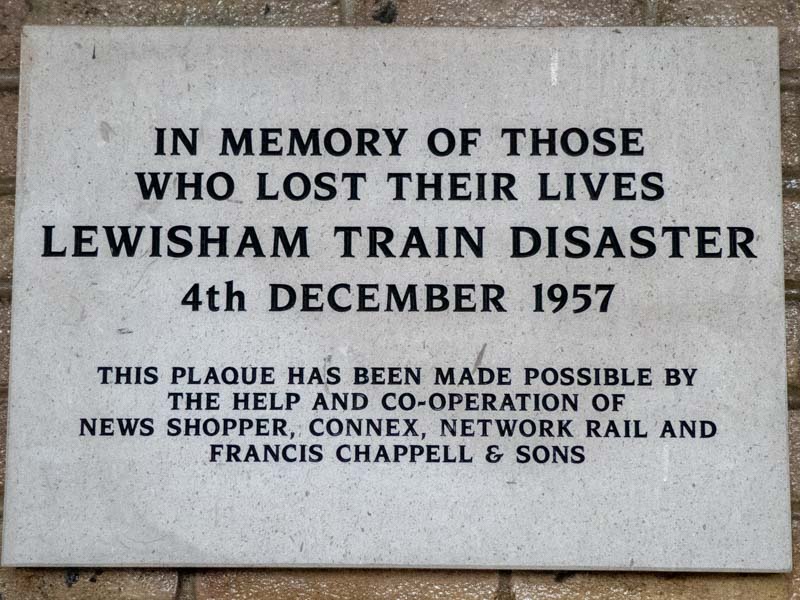


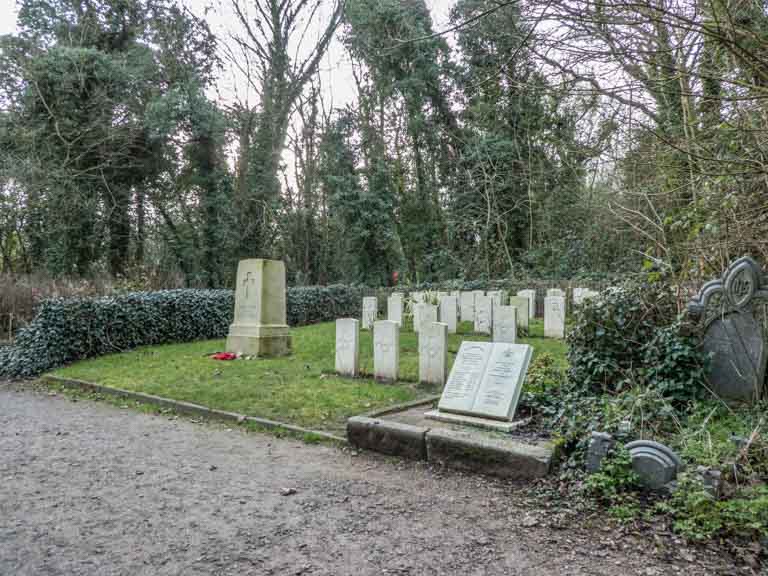
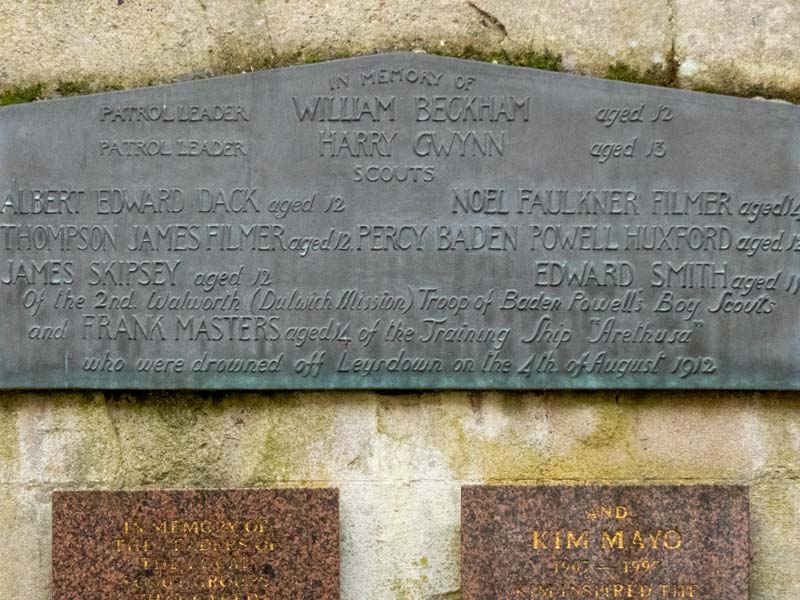
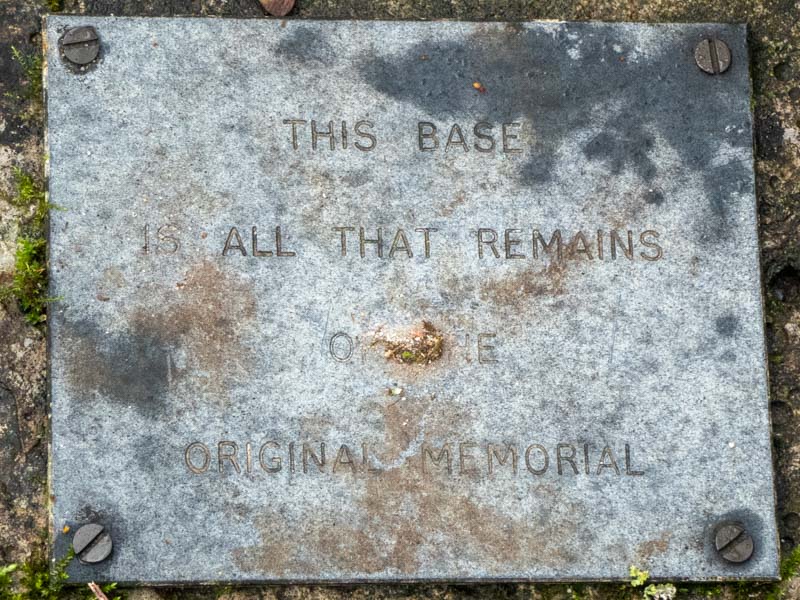
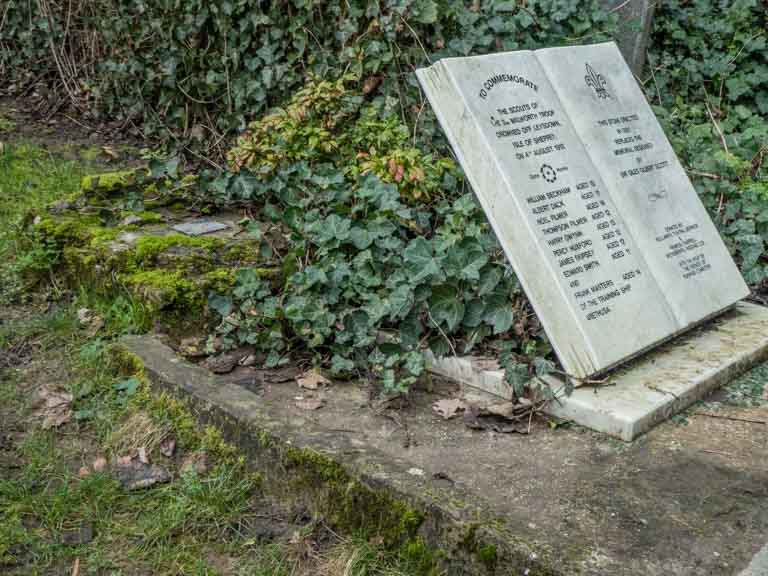
.jpg "Sponsor: Independent one-offs (id: 4691)")
Plaque Wording:
Left hand plaque:
In memory of the leaders of the local scout groups that cared for the scout memorial.
Skipper Gandolfi, 1904 - 1990.
Right hand plaque: And Kim Mayo, 1907 - 1999. Kim inspired the research that gave FONC the Leysdown tragedy and the memorial that now marks the boys grave.
Right hand plaque: And Kim Mayo, 1907 - 1999. Kim inspired the research that gave FONC the Leysdown tragedy and the memorial that now marks the boys grave.
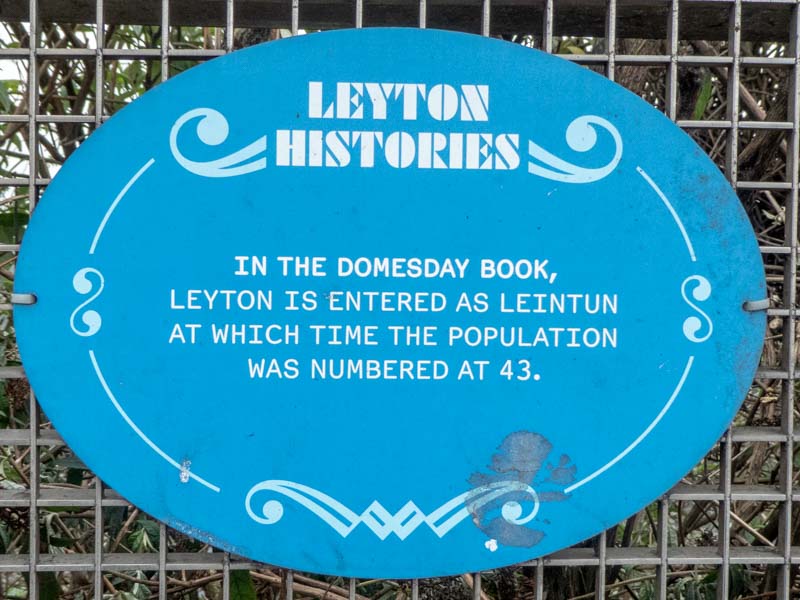


Plaque Wording:
Lighthouse Cape L'Agulhas
This lighthouse sited on the most dangerous part of the South African coast was completed in 1849 at an approximate cost of £12,000. It is the second oldest lighthouse in South Africa.
This lighthouse sited on the most dangerous part of the South African coast was completed in 1849 at an approximate cost of £12,000. It is the second oldest lighthouse in South Africa.


Plaque Wording:
Carl Von Linne (1707-1778)
Illustrious Swedish Father of Botany, architect of the system of naming organisms.
Physician, naturalist and botanist, whose teachings and influences came to our country with his disciple Pehr Loefling (1729-1756).
This royal botanical garden represents the spread of the scientific spirit of Carlos Linneo
HRH Princess Heredera Victoria of Sweden dedicated this plaque on 13 June 2001
Illustrious Swedish Father of Botany, architect of the system of naming organisms.
Physician, naturalist and botanist, whose teachings and influences came to our country with his disciple Pehr Loefling (1729-1756).
This royal botanical garden represents the spread of the scientific spirit of Carlos Linneo
HRH Princess Heredera Victoria of Sweden dedicated this plaque on 13 June 2001


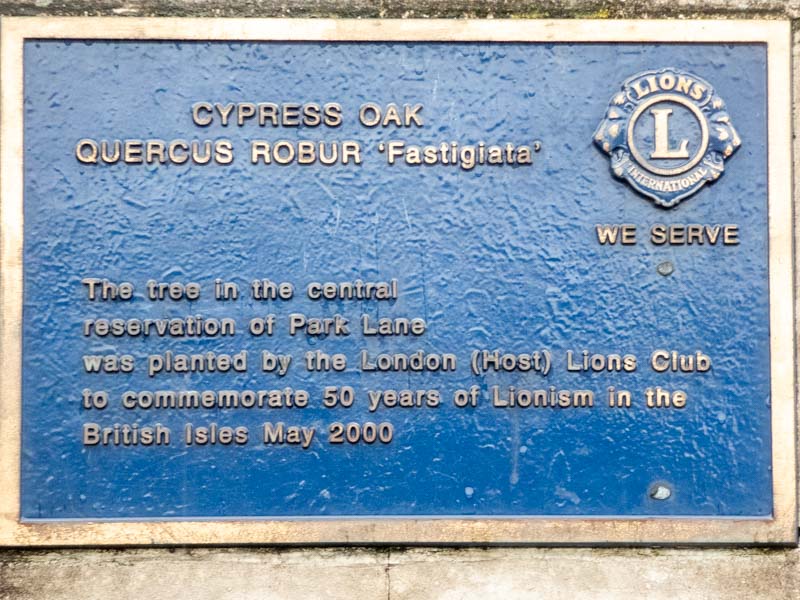
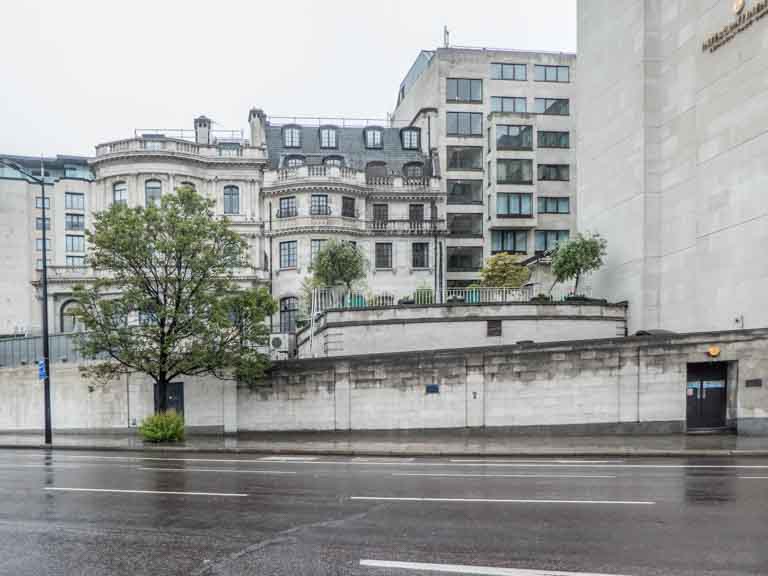

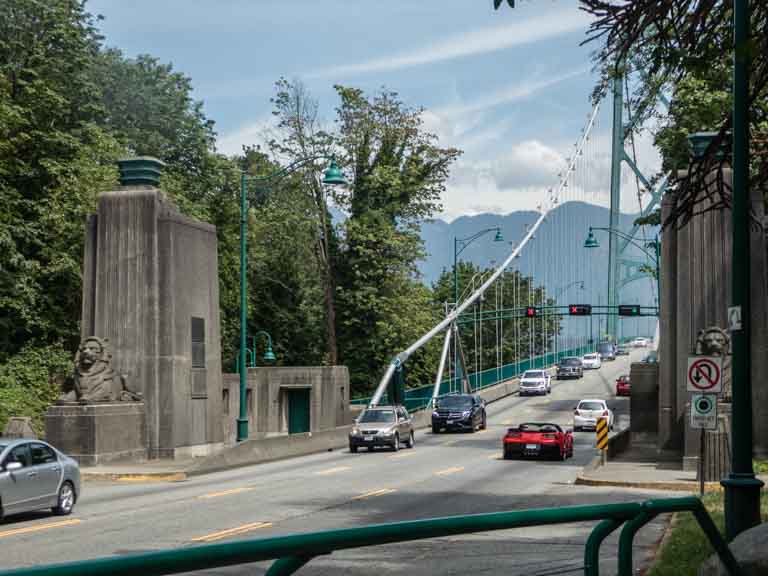


I have no information about Henry Lofts. Please contact me if you do.


Plaque Wording:
London Bridge 1825 - 1967
These granite slabs are coping stones from the former London Bridge which was dismantled in 1967 and re-erected in Lake Havasu, Arizona, USA. Designed by John Rennie, the bridge was opened in 1831 and has since featured in many films and books including those of Charles Dickens. Substantial parts of the abutments and walls still remain and are preserved as part of the fabric of the new bridge, where two large granite stair chambers (including 'Nancy's steps') still exist as part of the original Rennie southern vault.
Southwark Heritage Association - Southwark Heritage - alive today, working with Transport for London.
These granite slabs are coping stones from the former London Bridge which was dismantled in 1967 and re-erected in Lake Havasu, Arizona, USA. Designed by John Rennie, the bridge was opened in 1831 and has since featured in many films and books including those of Charles Dickens. Substantial parts of the abutments and walls still remain and are preserved as part of the fabric of the new bridge, where two large granite stair chambers (including 'Nancy's steps') still exist as part of the original Rennie southern vault.
Southwark Heritage Association - Southwark Heritage - alive today, working with Transport for London.


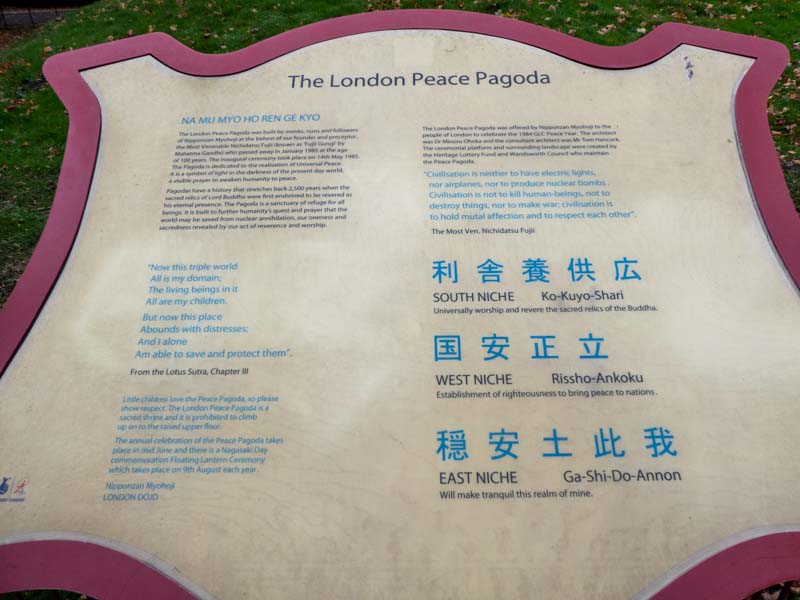


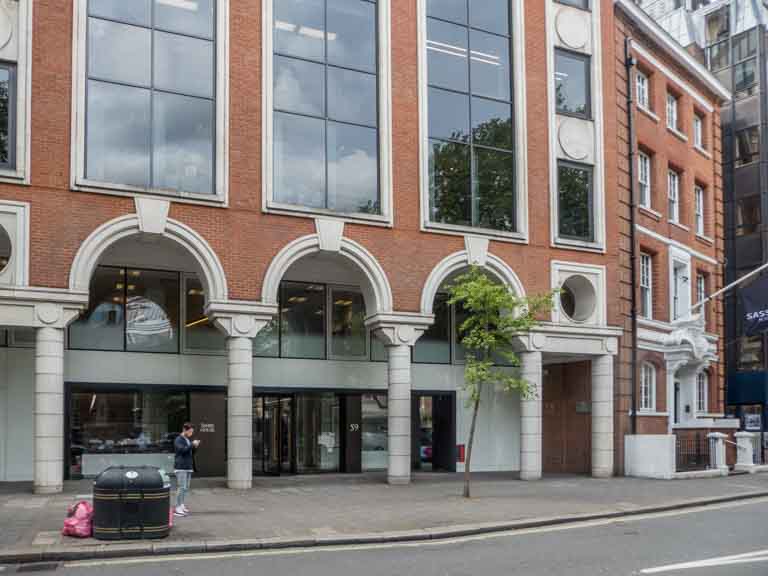


.jpg "Sponsor: Independent one-offs (id: 2479)")
_ls.jpg)
.jpg "Sponsor: Independent one-offs (id: 9026)")
_ls.jpg)
Plaque Wording:
This stone was laid by Sir John Lubbock Bart M.P. May 25 A.D. 1889.
Commisioners: .....
Commisioners: .....


I have no information about John Luscombe. Please contact me if you do.


Plaque Wording:
In the years 1940 - 1972 lived and worked here Feliks Mlynarski 1884 - 1972 outstanding Polish economist and banker, vice president of Bank Polski, S.A., chairman of the financial committee of the League of Nations during the occupation period, with the consent of the Polish government in exile, president of the Bank of Issue in Poland.


Plaque Wording:
Irish Heritage - Terence MacSwiney 1879 - 1920 Lord Mayor & MP died on hunger strike in HMP Brixton after 74 days 25-10-1920


Plaque Wording:
THE MALTA PEOPLE REJOICE WITH THE VICTORY OF INDEPENDENCE OF THESE ISLANDS TODAY 21 SEPTEMBER 1964
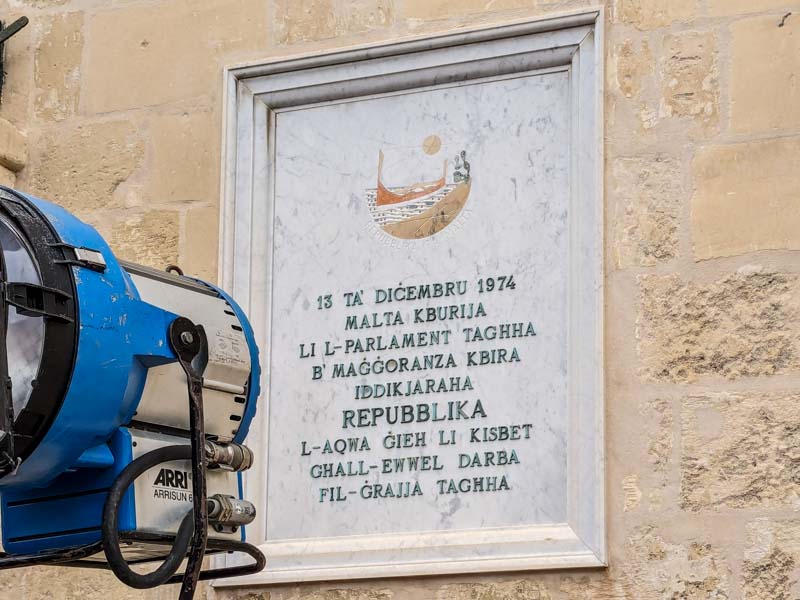
Plaque Wording:
13 DECEMBER 1974 MALTA IS PROUD THAT ITS PARLIAMENT WITH A LARGE MAJORITY CONSIDERS IT A REPUBLIC
BEST EVER TO GET FOR THE FIRST TIME
IN HER GRACE


Plaque Wording:
Tsiamelo
This monument was erected by the people of Howick to commemorate the site of arrest of President Nelson Mandela on 5 August 1962. The plaque was unveiled by the President of the Republic of South Africa on occasion of receiving honorary citinship on 12 December 1996.
This monument was erected by the people of Howick to commemorate the site of arrest of President Nelson Mandela on 5 August 1962. The plaque was unveiled by the President of the Republic of South Africa on occasion of receiving honorary citinship on 12 December 1996.


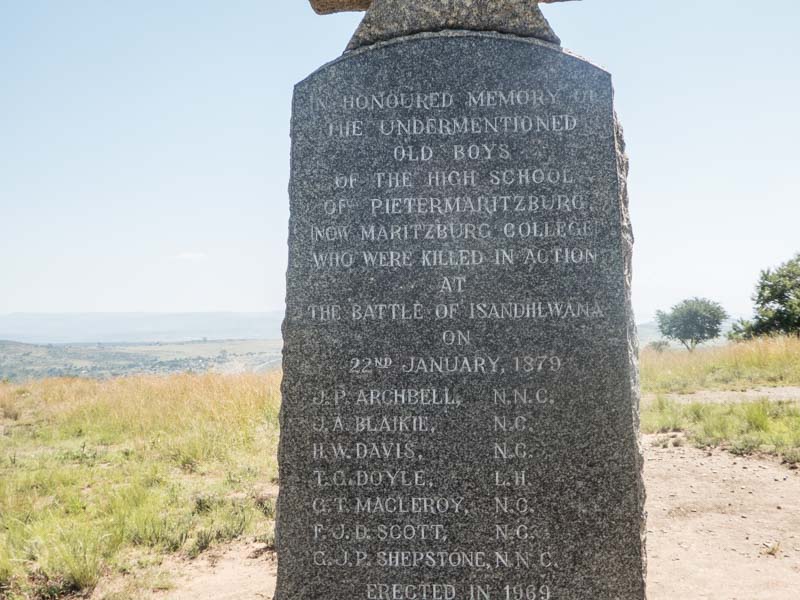
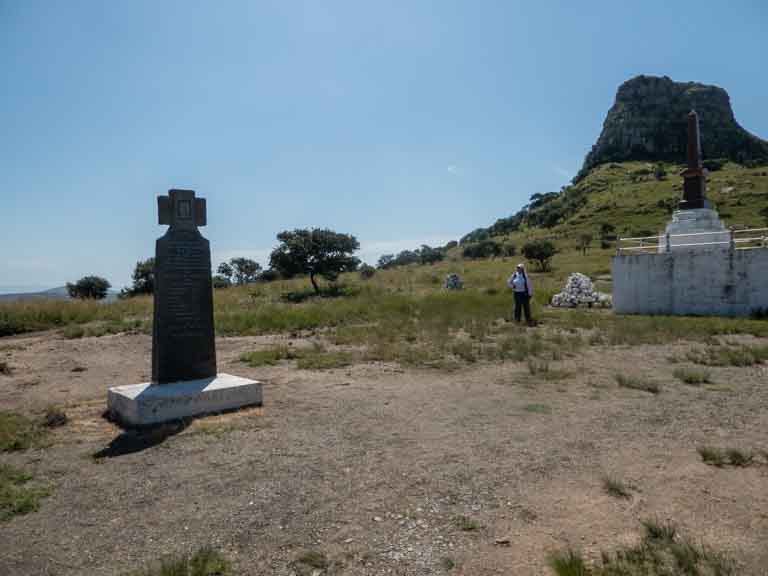


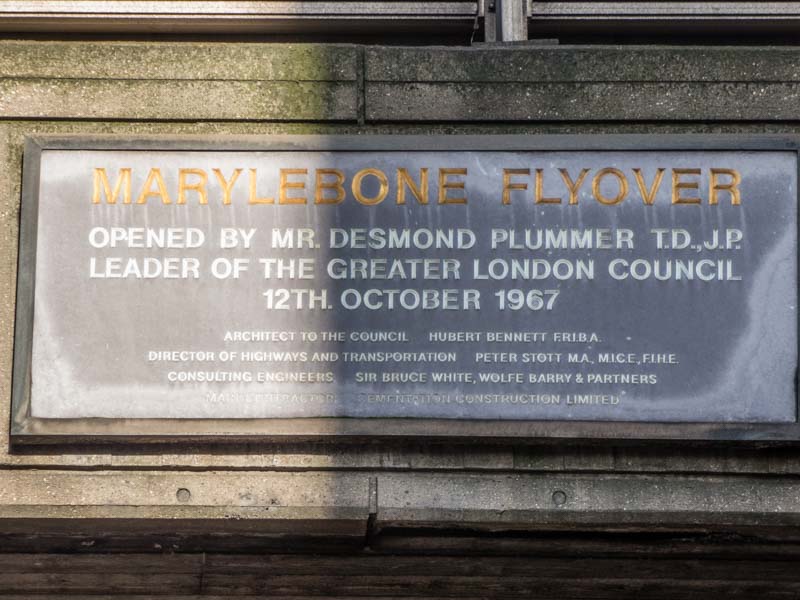
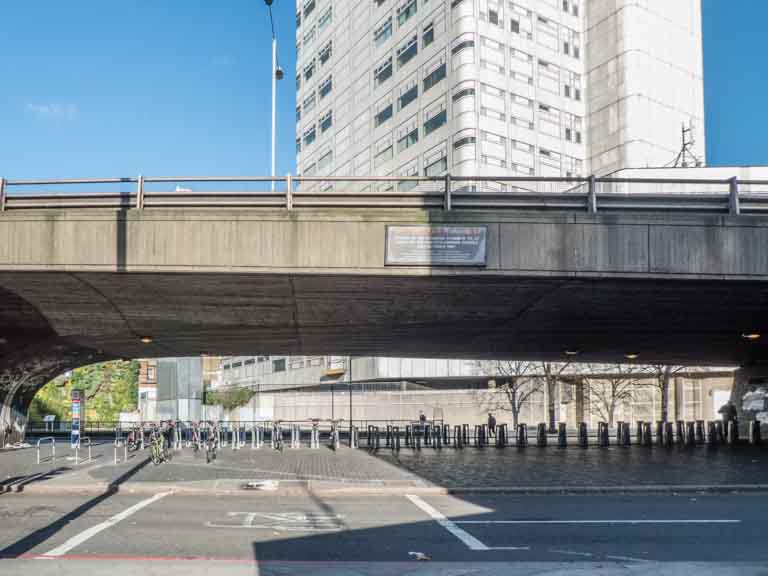


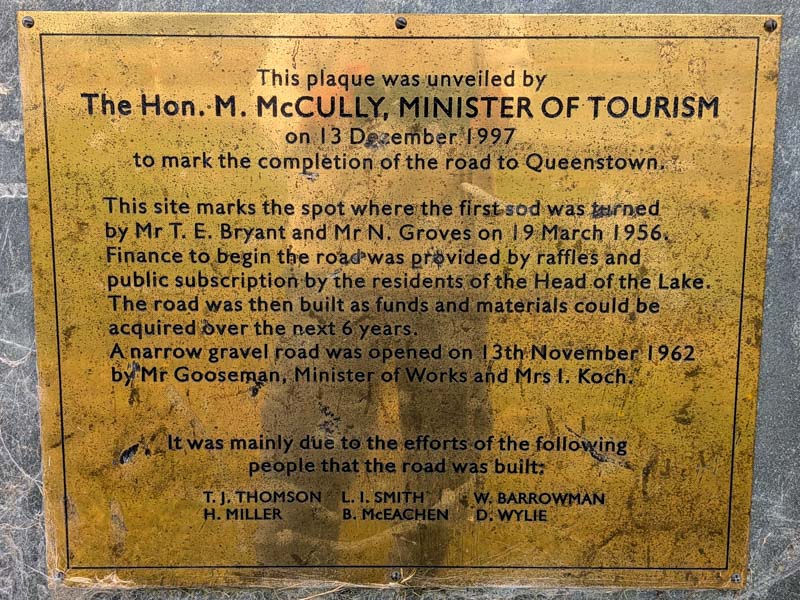
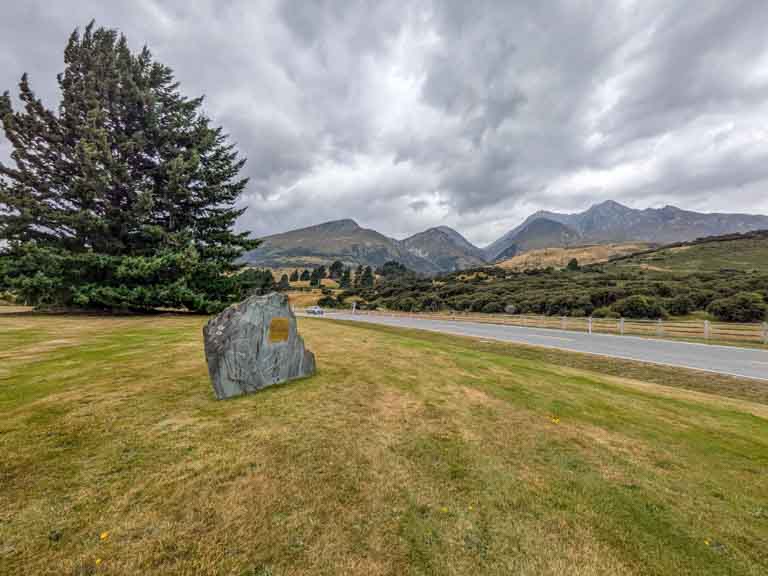


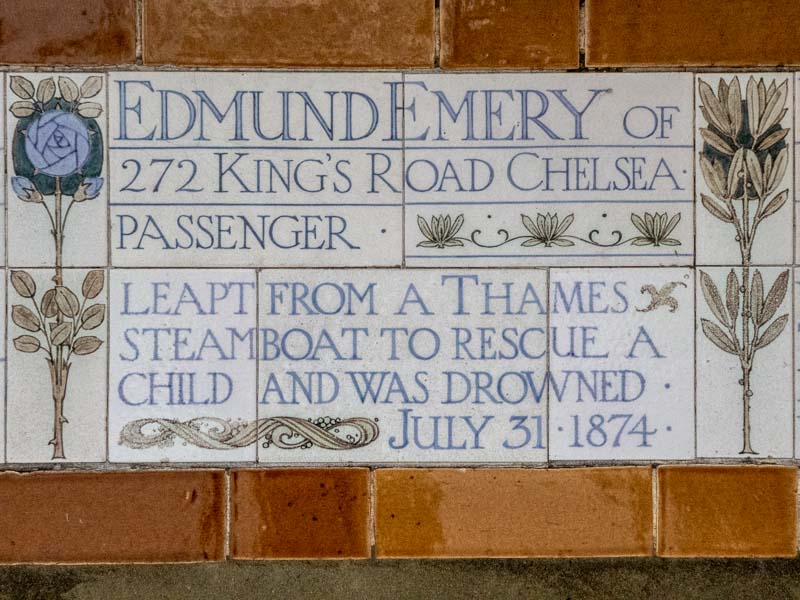


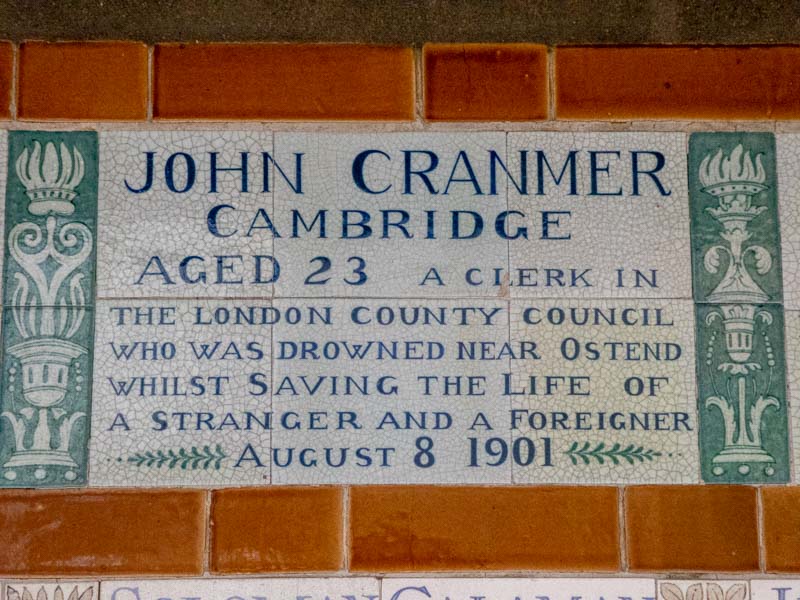


Plaque Wording:
The men from the service of the Metropolitan Railway Company whose names are inscribed below were among those who, at the call of King and country, left all that was dear to them, endured hardness, faced danger, and finally passed out of sight of men by the path of duty and self-sacrifice, giving up their own lives that others might live in freedom.
Let those who come after see to it that their names be not forgotten.
1914 - 1918 Erected by the directors, officers and staff of the railway.
1914 - 1918 Erected by the directors, officers and staff of the railway.


Plaque Wording:
To perpetuate on this spot the memory of Robert Milligan a merchant of London to whose genius, perseverance and guardian care the surrounding great work principally owes it's design, accomplishment and regulation.
The directors and proprietors deprived by his death on the 21st May 1809 of the continuation of his invaluable services by their unanimous vote have caused this statue to be erected.
The directors and proprietors deprived by his death on the 21st May 1809 of the continuation of his invaluable services by their unanimous vote have caused this statue to be erected.


Plaque Wording:
In this spot Dr John Monsell, rector of St Nicolas & hymn writer fell and injured his arm which led to his death on 9th April 1875 during the building of this church.
This plaque was laid here by the Lord Lieutenant of Surrey Lord Hamilton of Dalzell to commemorate the extension to the church. 27th November 1977
This plaque was laid here by the Lord Lieutenant of Surrey Lord Hamilton of Dalzell to commemorate the extension to the church. 27th November 1977


I have no information about J J Moore. Please contact me if you do.
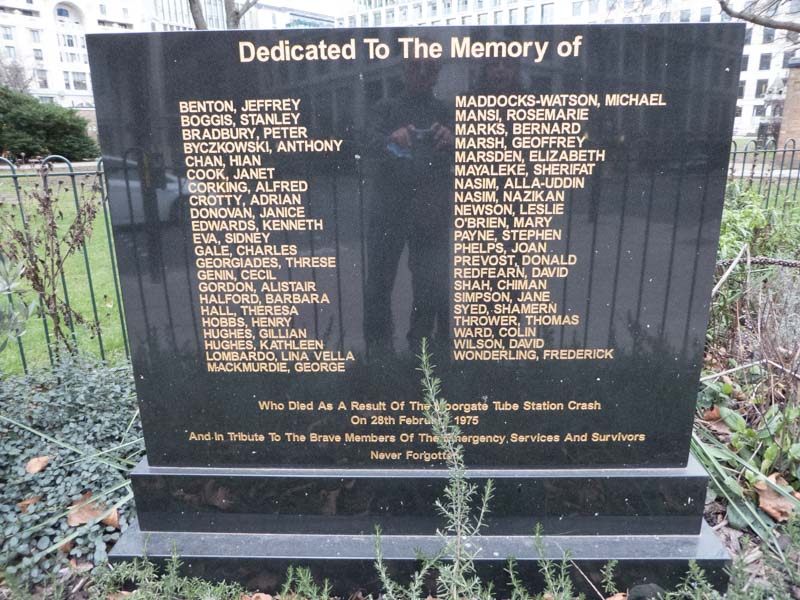


.jpg "Sponsor: Independent one-offs (id: 3841)")
_ls.jpg)
Plaque Wording:
1747 Iolo Morganwg 1826 Y gwir yn erbyn y byd The truth against the world
This is the site of the first meeting of the Gorsedd of the Bards of the Isle of Britain 22.6.1792. Yma y cyfarfu Gorsedd Beirdd Ynys Prydain gyntaf
This is the site of the first meeting of the Gorsedd of the Bards of the Isle of Britain 22.6.1792. Yma y cyfarfu Gorsedd Beirdd Ynys Prydain gyntaf


.jpg "Sponsor: Independent one-offs (id: 3824)")


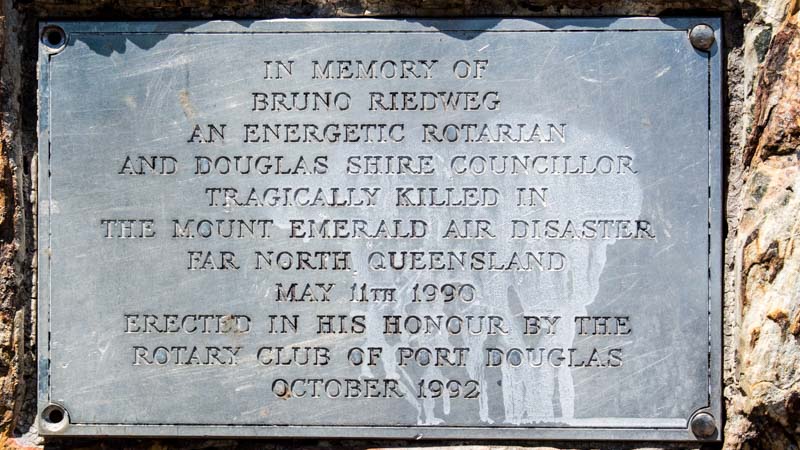


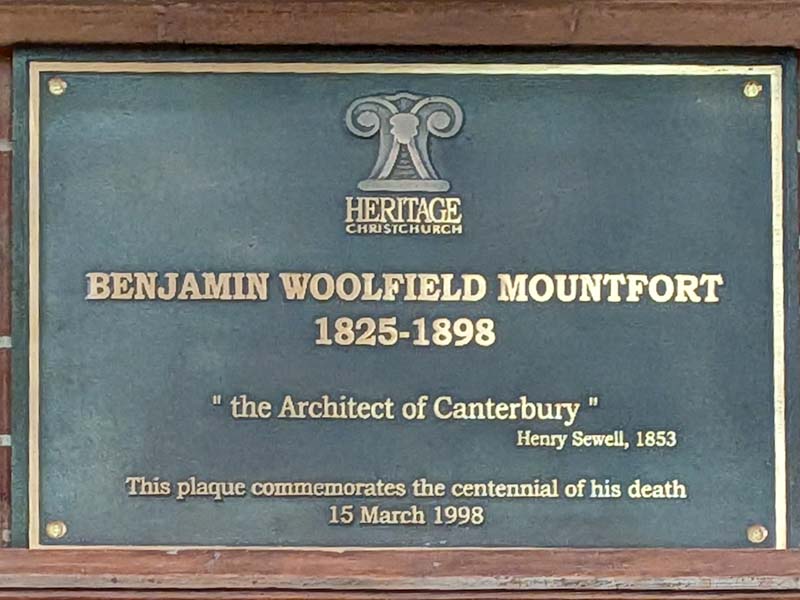

_ls.jpg)


Plaque Wording:
Mydiddee
A native of Tahiti. Sailed to England with Captain William Bligh in HMS Providence. Died in Deptford, 4th September 1793.
Stranger with solemn step approach and know, A fav'rite son of nature sleeps below. From that fam'd queen of southern isles he came, fair Otahytey, fir'd by British fame: And Providence each deep safe wafted o'er, Yet only gave to hail the promis'd shore; For here could life alas! no more supply, Than just to look around him and to die.
Edward Harwood, surgeon of the Providence.
Stranger with solemn step approach and know, A fav'rite son of nature sleeps below. From that fam'd queen of southern isles he came, fair Otahytey, fir'd by British fame: And Providence each deep safe wafted o'er, Yet only gave to hail the promis'd shore; For here could life alas! no more supply, Than just to look around him and to die.
Edward Harwood, surgeon of the Providence.


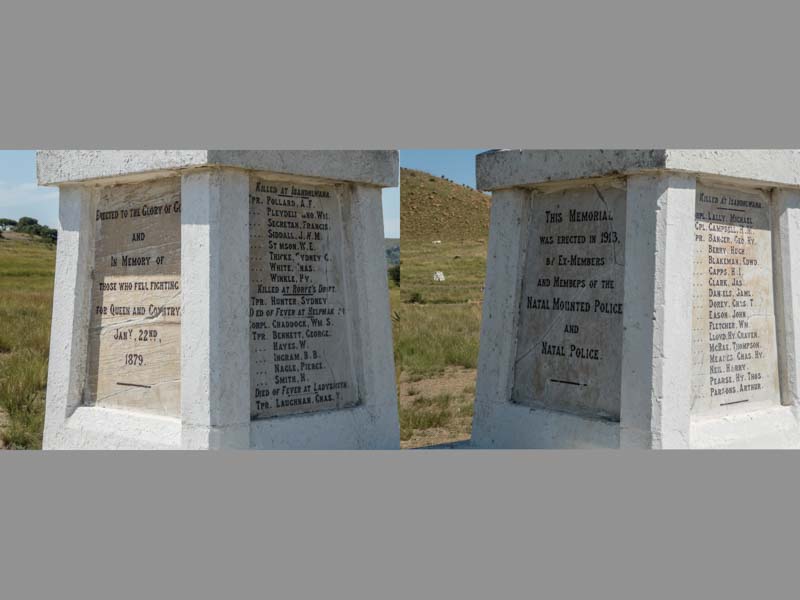
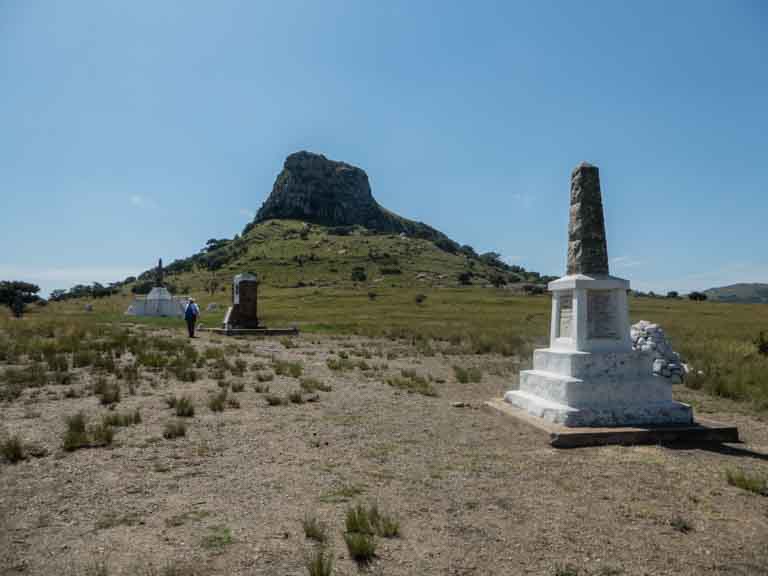


I have no information about Thomas Neill. Please contact me if you do.


I have no information about Navy Landing New Orleans. Please contact me if you do.
Plaque Wording:
Navy Landing Dedicated by the City of New Orleans to honor the personnel of the United States navy and offer appreciation for their sacrifices and service to the nation and the city 8 February 1991


I have no information about Nigel Nelson. Please contact me if you do.


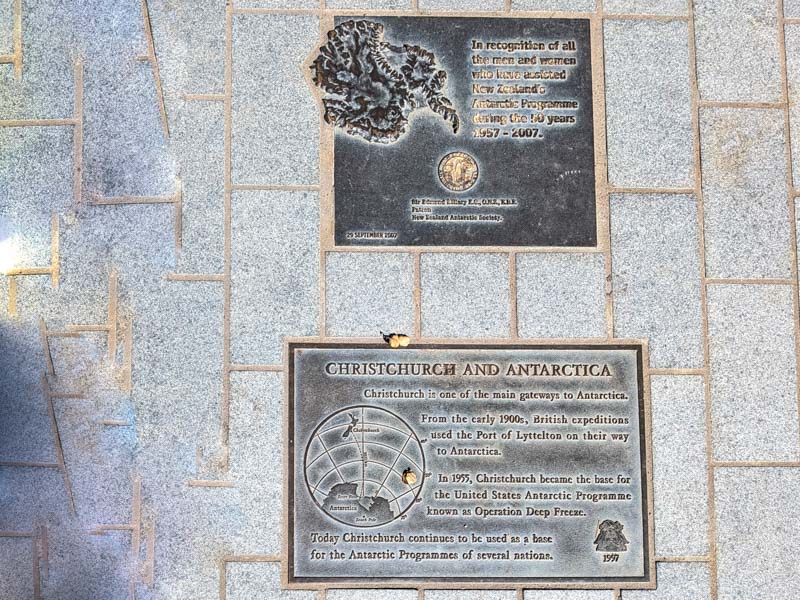
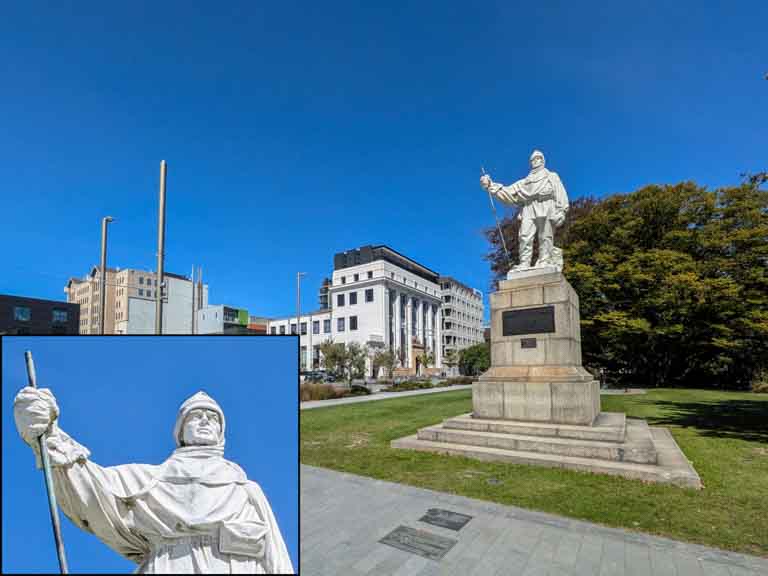


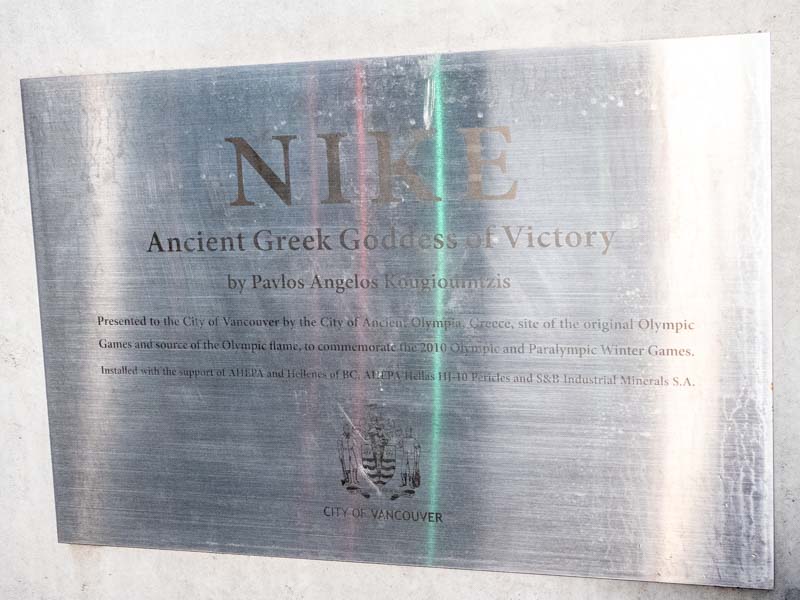
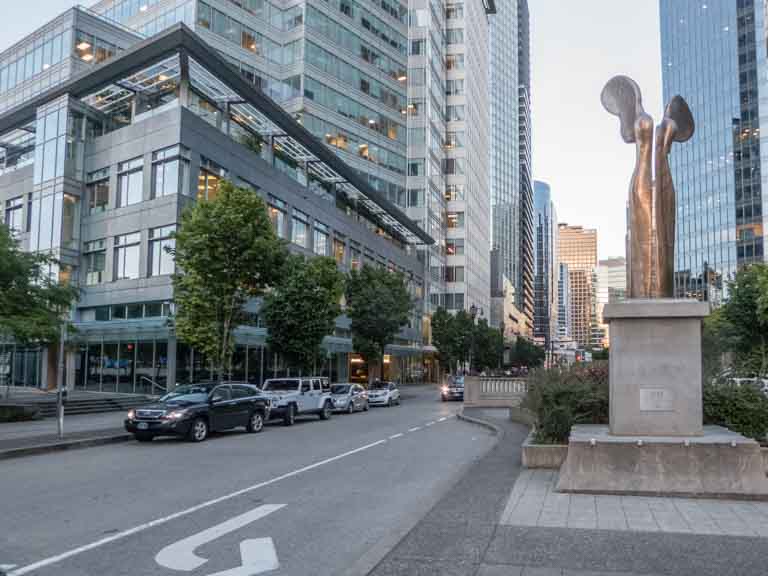
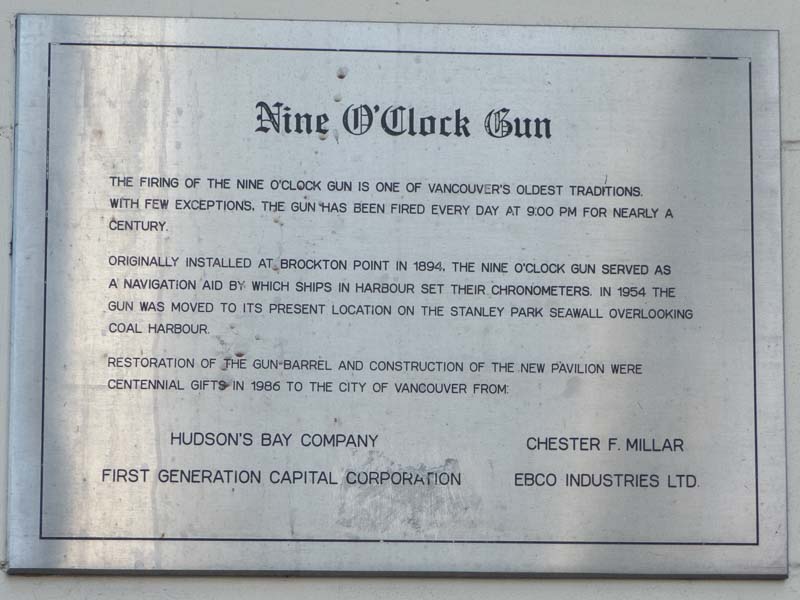

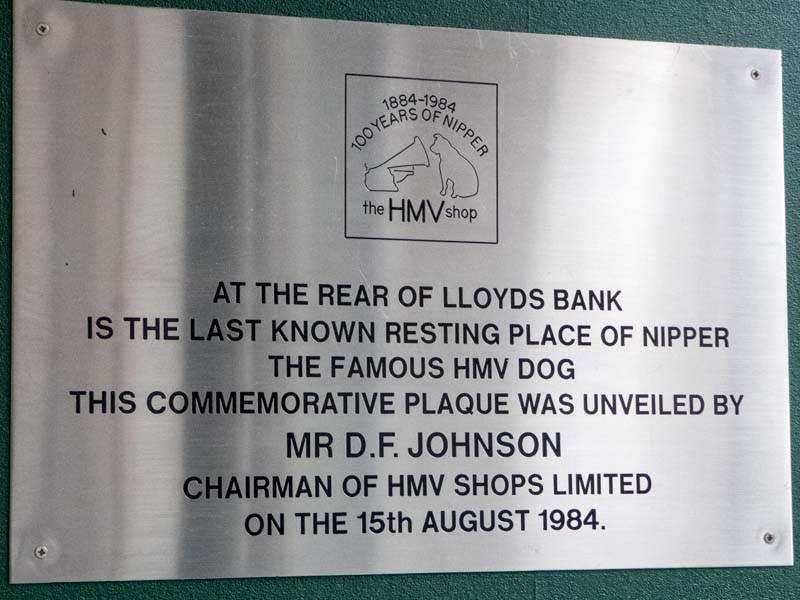


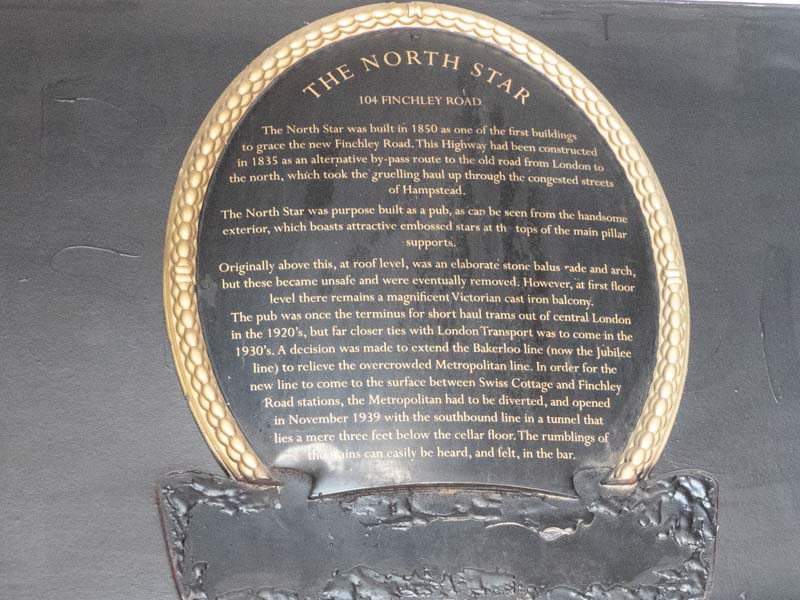
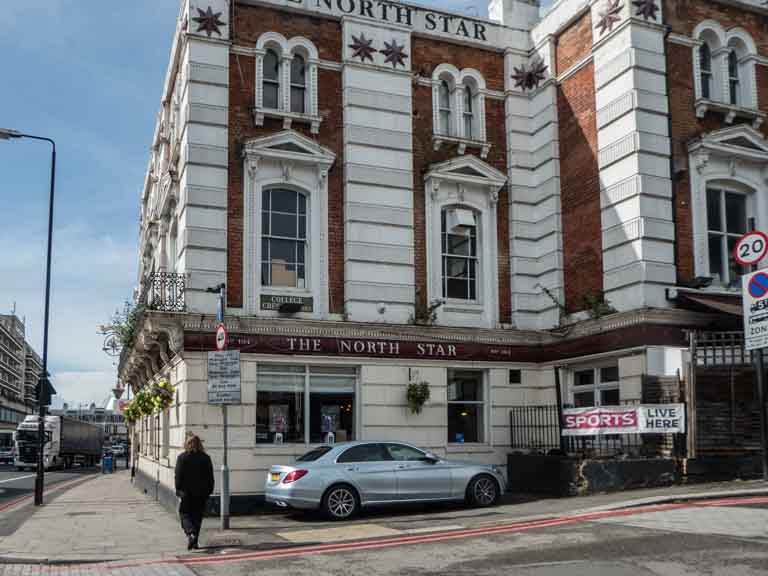
Plaque Wording:
The North Star, 104 Finchley Road. The North Star was built in 1850 as one of the first buildings to grace the new Finchley Road. This highway had been constructed in 1835 as an alternative by-pass route to the old road from London to the north, which took the gruelling haul up through the congested streets of Hampstead. The North Star was purpose built as a pub, as can be seen from the handsome exterior, which boasts attractive embossed stars at the tops of the main pillar supports. Originally above this, at roof level, was an elaborate stone balustrade and arch, but these became unsafe, and were eventually removed. However, at first floor level there remains a magnificent cast-iron Victorian balcony. The pub was once the terminus for short-haul trams out of London in the 1920's, but far closer ties with London Transport was to come in the 1930's. A decision was made to extend the Bakerloo Line (now the Jubilee line) to relieve the overcrowded Metropolitan line. In order for the new line to come to the surface between Swiss Cottage and Finchley Road stations, the Metropolitan had to be diverted, and opened in November 1939 with the southbound line in a tunnel that lies a mere three feet below the cellar floor. The rumblings of the trains can easily be heard, and felt, in the bar.


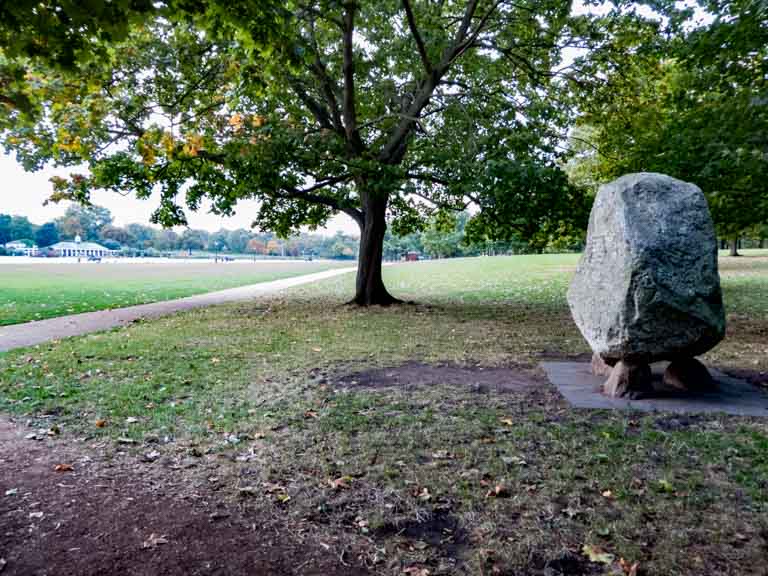


Plaque Wording:
The panels located above the public pass through on Poultry are the original friezes taken from a demolished building (12-13 Poultry) that once stood close to their current location.
Each frieze depicts a procession that once went past the site......
Each frieze depicts a procession that once went past the site......
.jpg "Sponsor: Independent one-offs (id: 7334)")


Plaque Wording:
This plaque has been dedicated by the Pepys community in memory of David Ivan O'Hara
1931-1992
who in his last years dedicated himself to the community and the projects of the community of the Pepys Estate


Plaque Wording:
Ogden Point Breakwater and Docks Constructed 1924-1937 A tribute to the engineers who created this important addition to the transportation infrastructure of Canada. The project used over 4 million tons of rock, more than ten thousand granite blocks, fifty three concrete caissons and one million cubic yards of dredged fi??

Plaque Wording:
In the mid 16th century this site was the timber yard for the nearby Whitehall Palace. In 1560 Sir Francis Knollys, Treasurer of the Royal Household, leased the land to "buylde a convenient house", which later passed to his son, Viscount Wallingford, becoming known as Wallingford House.
In 1622 George Villiers, Duke of Buckingham, the Lord High Admiral, purchased Wallingford House and so began an association between the site and the direction of the Royal Navy that lasted for some 350 years. Sir Christopher Wren recommended this site for the first planned Admiralty Office, which opened in 1695. The builder, John Evans, became Navy Board Purveyor but his building soon failed to meet the Admiralty's growing needs.
The present building was designed by the Master Carpenter, Thomas Ripley, and completed in 1726 (at an "Expence that hath very much exceeded the Estimate"), becoming known as Ripley Block.
The screen wall facing Whitehall was designed in 1760 by the great Scottish architect, Robert Adam. In 1826 "in" and "out" side entrances were added to allow easier access for the carriage of the Duke of Clarence, later King William IV, but the screen was restored to its original condition in 1923.
The building contains the room where Nelson's body lay overnight 8th/9th January 1806, before his funeral. It also contains the Admiralty Board Room, a survivor from Evans' building of 1695, with its finely carved overmantel, attributed to Grinling Gibbons' workshop, depicting ancient nautical instruments.
The Board Room boasts an imposing table, with a cut out portion to accommodate the Secretary and his papers. The wind dial, controlled by a vane on the roof , and the carving have survived from the 1695 building. The room was expertly repaired after being damaged by a bomb in World War 2.
From here the worldwide affairs of the Royal Navy were run for centuries by " the Lords Commissioners of the Admiralty" until they were replaced, on the formation of the Ministry of Defence in 1964, by the "Admiralty Board of the Defence Council". The board still occasionally meets in the Old Admiralty Board Room.
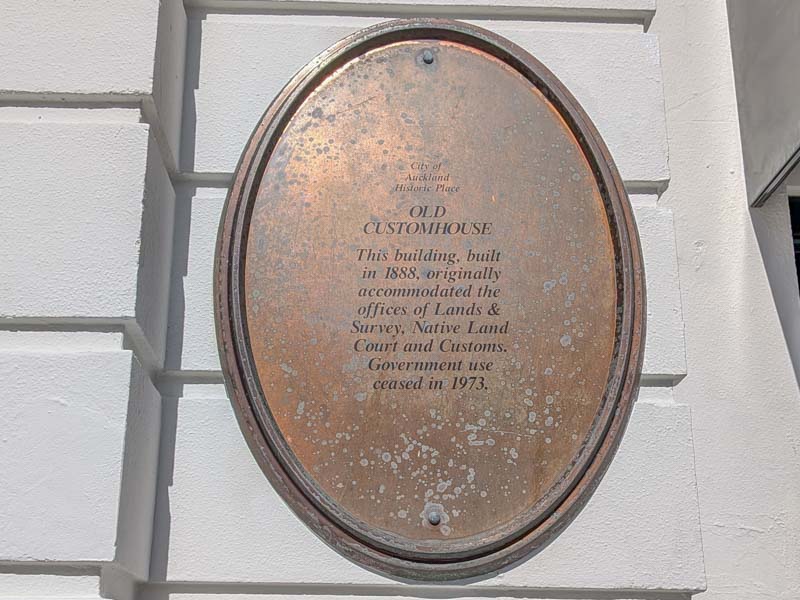
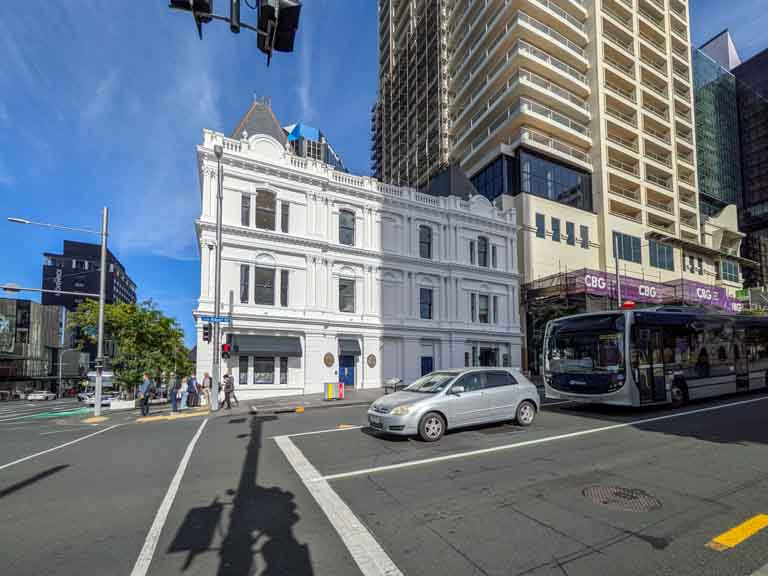
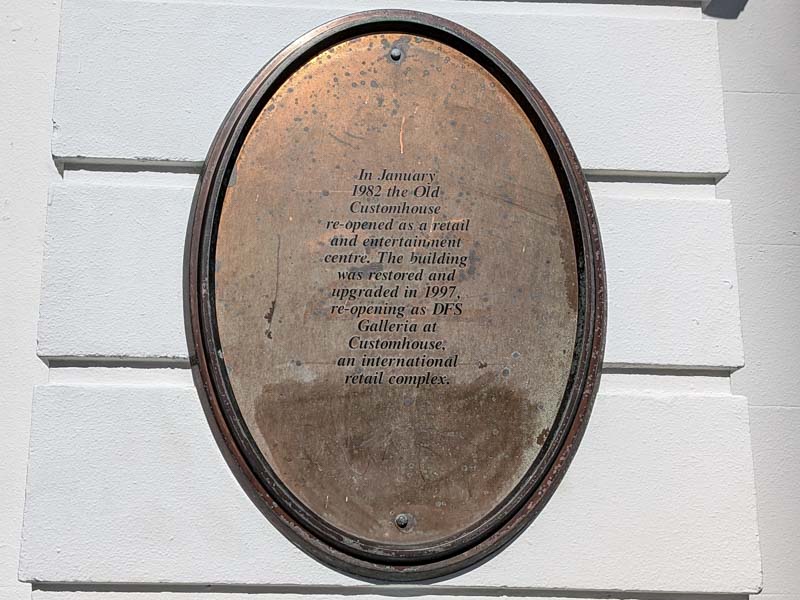


Plaque Wording:
In memory of the members of Operation Rimau In September 1944, when Singapore was under Japanese occupation, twenty-three British and Australian members of Services Reconnaissance Department / Z Special Unit travelled from Autralia by submarine to the outskirts of Singapore Harbour. Their mission was to attack and destroy enemy shipping from small submersible boats using magnetic limpet mines. The party included six former members of the highly successful raid launched against Japanese shipping in Singapore harbour in September 1943, code-named Operation Jaywick. They were intercepted by Japanese forces and in the actions that followed, thirteen were either killed in action or died of wounds. The remaining ten were captured and subsequently executed on 7 July 1945. The place of their execution is approximately 580 metres east of the junction of Clement and Dover Roads......we salute their daring and bravery.


Plaque Wording:
Otter Trail Silver Jubilee 1968-1993
This plaque commemorating the twenty-fifth anniversary of the Otter Trail was unveiled on the 11 December 1993.
This plaque commemorating the twenty-fifth anniversary of the Otter Trail was unveiled on the 11 December 1993.


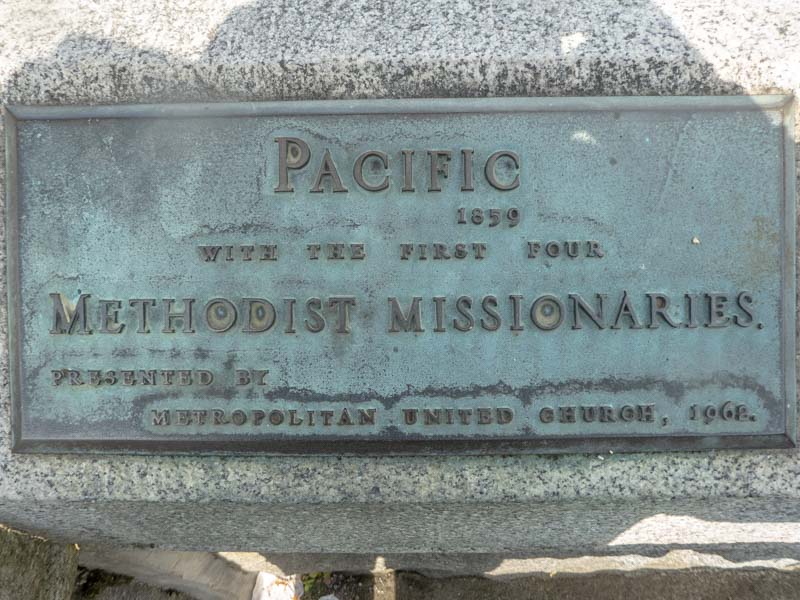


I have no information about pad303-1. Please contact me if you do.


I have no information about Pad303-2. Please contact me if you do.


Plaque Wording:
Constructed in 1897 and opened for the public traffic in 1898. The road has an average grade of eight percent and is 8800 feet long. The original survey was made by John H. Wilson under supervision of William E. Rowell Superintendent of Public Works, W.W. Bruner Highway Engineer both of the Republic of Hawaii. Completion of the job was due to the vision and ability of John H. Wilson and Louis M. Whitehouse. They did the work under contractor for the Republic of Hawaii. This tablet commemorates the Fiftieth Anniversary and is erected by the City and County of Honolulu January Twentieth, 1948.


.jpg "Sponsor: Independent one-offs (id: 3849)")
_ls.jpg)




Plaque Wording:
In this house lived Tadeusz Pawlikowski born and died in Krakow 1861 - 1915 Stage Director, two-time director of the Slovak Theatre. The great reformer of the theatre


Plaque Wording:
Flying Bomb Summer 1944
To the people of Penge who suffered war and change showing courage, dignity and humour
To the people of Penge who suffered war and change showing courage, dignity and humour


Plaque Wording:
Victualling Department Admiralty
This plaque commemorates the closing of the Royal Victoria Yard in 1961 after 219 years of service to the Royal Navy. This terrace and adjacent colonnade were part of the Victualling Yard, Deptford, built on a site of 35 acres purchased from the Evelyn Estate in 1742. The yard was re-named the Royal Victoria Yard in 1858 by gracious permission of Her Majesty Queen Victoria.
This plaque commemorates the closing of the Royal Victoria Yard in 1961 after 219 years of service to the Royal Navy. This terrace and adjacent colonnade were part of the Victualling Yard, Deptford, built on a site of 35 acres purchased from the Evelyn Estate in 1742. The yard was re-named the Royal Victoria Yard in 1858 by gracious permission of Her Majesty Queen Victoria.


Plaque Wording:
In recognition of the contribution of Peter Forbes Philip MS FRCS Consultant Surgeon and Urologist Charing Cross Hospital 1955 - 1985 and Chairman of the Planning Committee for the building of Charing Cross Hospital, Fulham. A greatly respected Surgeon and Administrator

No long-shot available (yet)
Plaque Wording:
This cloister is built in memory of John George Phillips a native of this town, chief wireless telegraphist of the ill-fated S.S. Titanic. He died at his post when the vesssel foundered in mid-Atlantic on the 15th day of April 1912
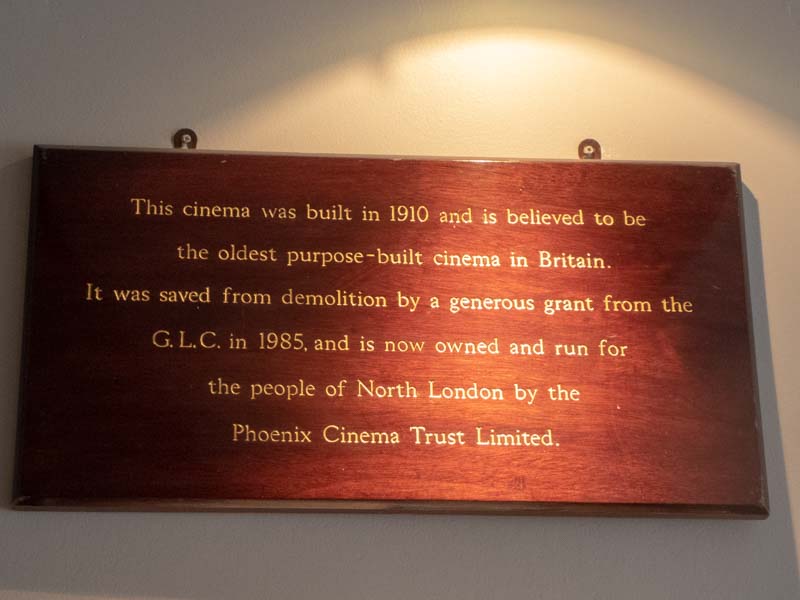


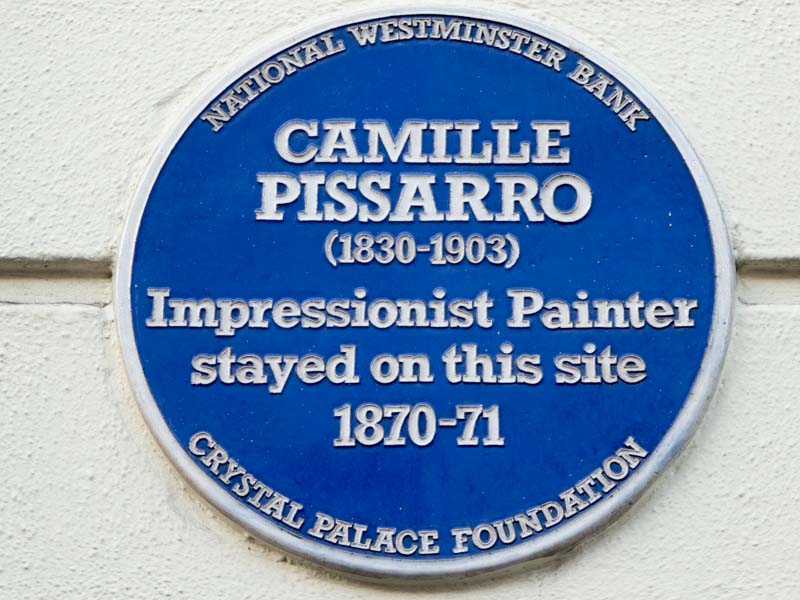


Plaque Wording:
In this place to commemorate the regaining of independence by the Polish Republic in 1918 on May 3, 1919, was planted the tree of freedom
May 3, a.d. 1999

Plaque Wording:
"They died because they were Poles." In memory of our compatriots. At least 111,000 victims of communist genocide, murdered in the Soviet Union, along with hundreds of thousands deported deep into the "inhuman land" - to endure starvation, exhaustion, and slave labour under the NKVD's Polish operation of 1937-1938.
On the 80th anniversary of this crime, Instytut Pamięci Narodowej, 2017


Plaque Wording:
Left side: "At this site on December 28, 1943, the Nazis shot 30 Poles"
Right side: "In a public execution were murdered......
Right side: "In a public execution were murdered......


Plaque Wording:
from Pope Benedict XVI to The President of Malta George Abela 1950 years since the shipwreck of St Paul
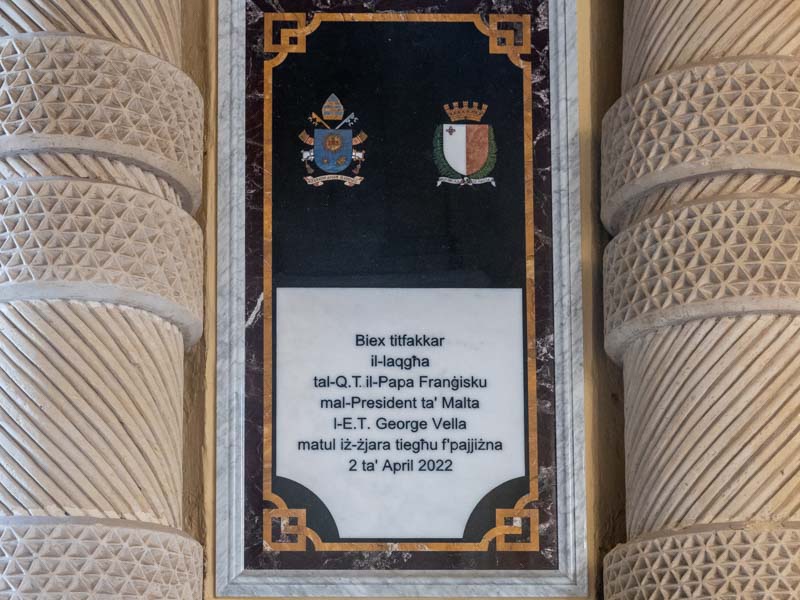
Plaque Wording:
To commemorate the meeting of Q.T. Pope Francis with the President of Malta I-E.T. George Vella during his visit to our country 2 April 2022


Plaque Wording:
You gave us faith and hope, you gave us solidarity and freedom, Father bless every day our beloved city and our homeland. To the beloved father John Paul the great Pole

Plaque Wording:
"MALTA IS LOCATED IN THE CENTER OF THE MEDITERRANEAN. YOU HAVE A UNIQUE VOCATION TO BE BUILDERS OF BRIDGES BETWEEN THE PEOPLE OF THE MEDITERRANEAN, BETWEEN AFRICA AND EUROPE, THE FUTURE OF PEACE IN THE WORLD DEPENDS ON THE OF DIALOGUE AND UNDERSTANDING BETWEEN CULTURES AND RELIGIONS. CONTINUE IN YOUR TRADITIONS OF HOSPITALITY, AND CONTINUE IN YOUR NATIONAL AND INTERNATIONAL COMMITMENT IN THE NAME OF FREEDOM, JUSTICE AND PEACE"
THE Q.T. POPE JOHN PAUL II TO THE MALTA PEOPLE, 9 MAY 2001
INAUGURATED
FROM E.T. THE PROF. GUIDO de MARCO PRESIDENT OF MALTA
ON FEBRUARY 10, 2004 FESTIVAL OF THE SHIPWRECK OF OUR FATHER SAINT PAUL

Plaque Wording:
ON MAY 8, 2001
THE PRESIDENT OF MALTA The E.T. GUIDO de MARCO WELCOMED TO THIS PALACE Q.T. POPE JOHN PAUL II APOSTLE OF PEACE IN THE FOOTSTEPS OF OUR FATHER SAINT PAUL
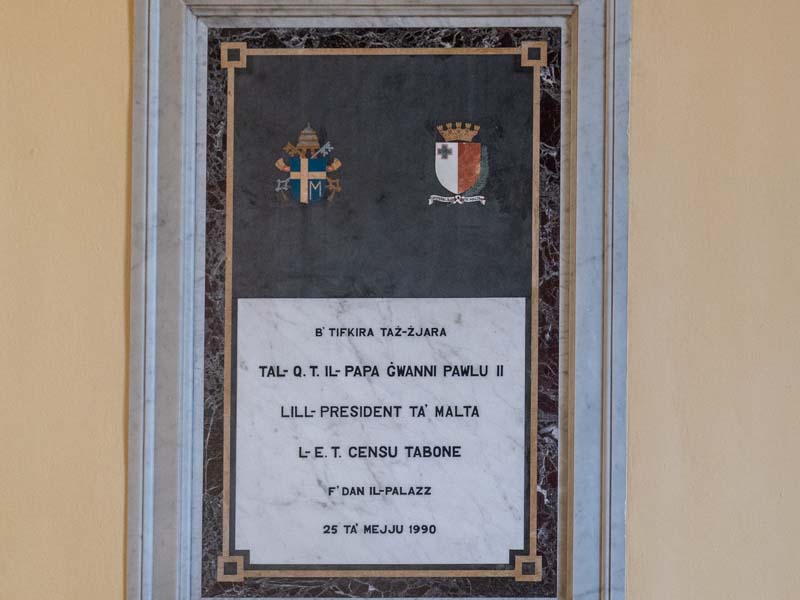
Plaque Wording:
IN REMEMBRANCE OF THE VISIT OF THE POPE JOHN PAUL II TO THE PRESIDENT OF MALTA THE E. T. TABONE CENSUS IN THIS PALACE 25 MAY 1990


Plaque Wording:
Lieutenant Charles Pope, Australian Imperial Force (Western Australia), 15th April 1917


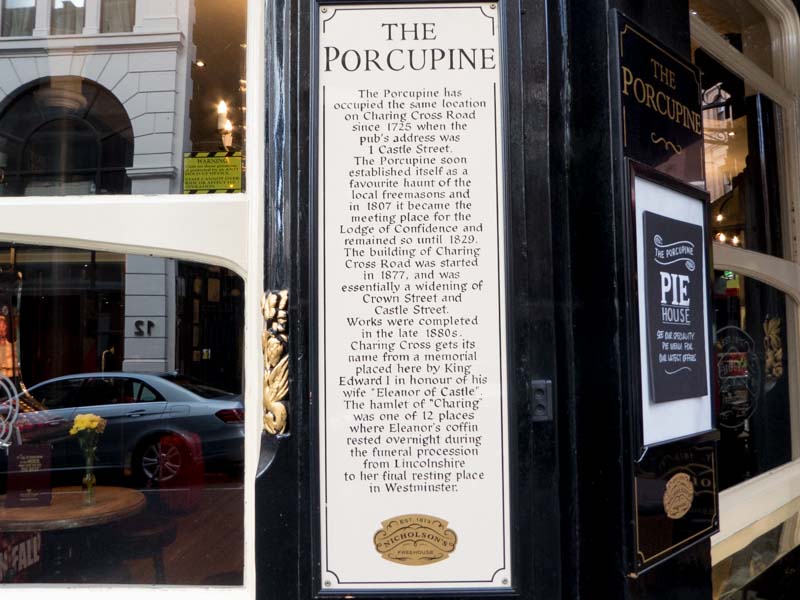


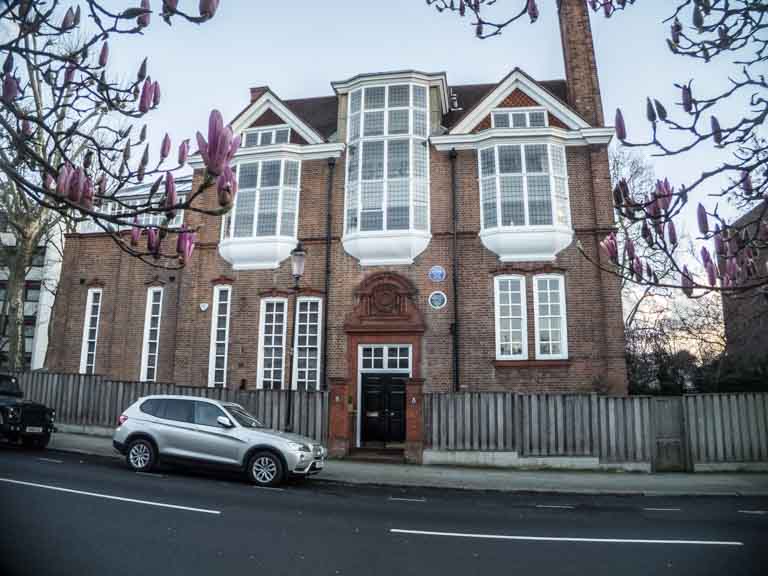
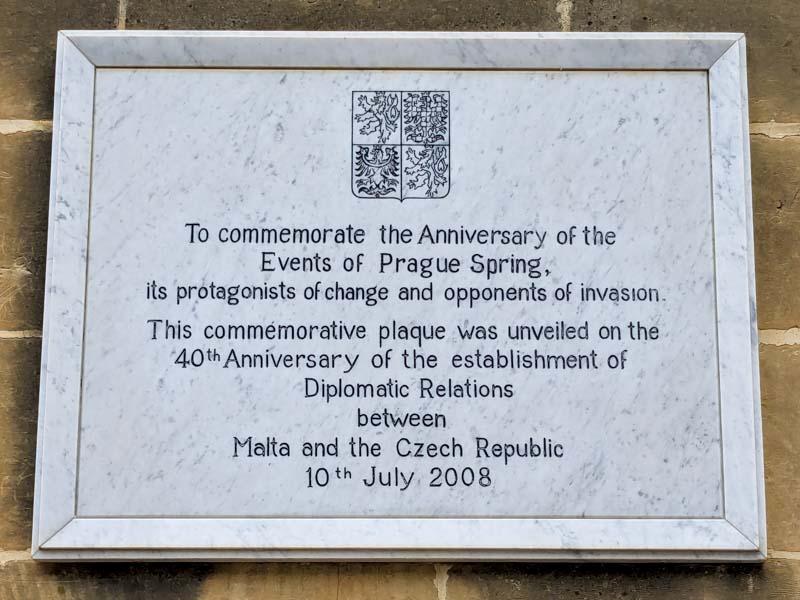


Plaque Wording:
On this site stood the lodgings of Sir Simon Preston of Craigmillar, Provost of the City of Edinburgh 1566-7, in which lodging Mary Queen of Scotland after her surrender to the confederate lords at Carberry Hill, spent her last night in Edinburgh, 15 June 1567. On the following evening she was conveyed to Holyrood and thereafter to Lochleven Castle as a state prisoner.


